code review
Beyond Market Intelligence keeps code review in one place: 12 stories so far. The section currently leads with “OpenCode breach exposes API keys after AI tools refuse to inspect malicious code”, “Taming AI's Real-World Demands: Agents, Evals, and Rising Token Costs”, and “Seven Python habits that surface surprises before production does”. A hacker breached OpenCode's online platform and stole users' API keys, but the AI tools it asked for help refused to inspect the malicious code. When AI hits production, code arrives faster than teams can review it, tokens start costing real money, and agents need permissions that actually hold. Acme AI is the next-generation, AI-powered spreadsheet platform built to replace Excel and redefine how analysts, data scientists, and enterprise teams work… The list below is every code review story on Beyond Market Intelligence, newest first.

OpenCode breach exposes API keys after AI tools refuse to inspect malicious code
A hacker breached OpenCode's online platform and stole users' API keys, but the AI tools it asked for help refused to inspect the malicious code. That irony stings for a coding agent built to automate development. OpenCode has grown fast as an open-source alternative to Claude Code and Cursor, yet this incident reveals a blind spot in how AI handles security. For deeper coverage, explore how AI agents unlock hidden insights in compiled binaries.
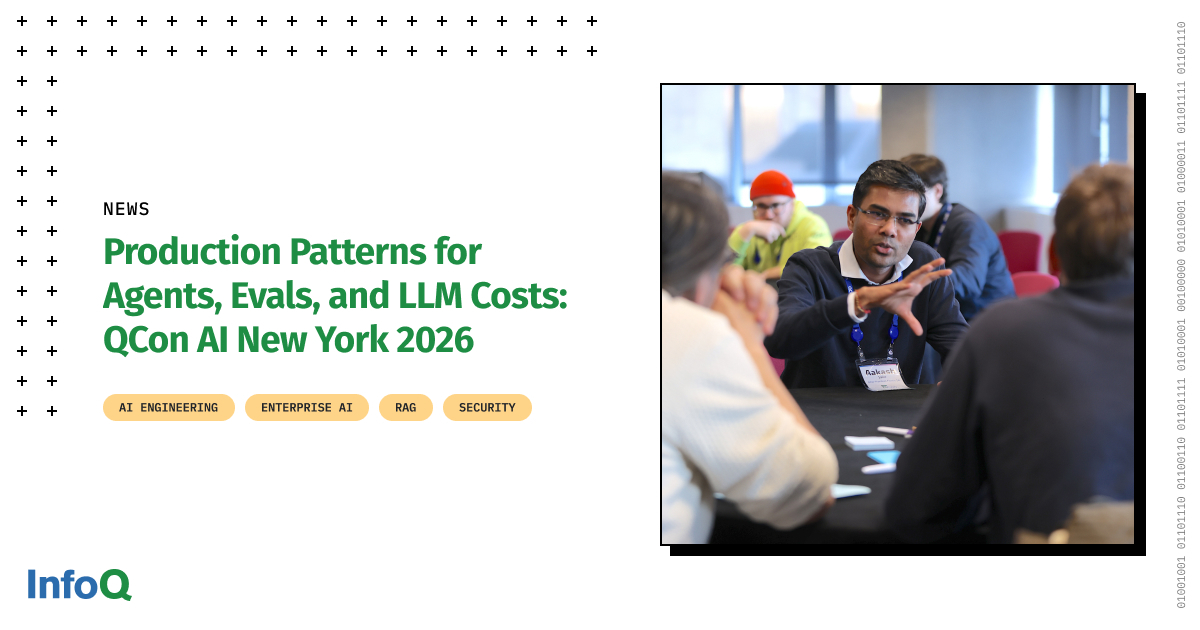
Taming AI's Real-World Demands: Agents, Evals, and Rising Token Costs
When AI hits production, code arrives faster than teams can review it, tokens start costing real money, and agents need permissions that actually hold. Engineers at QCon AI New York 2026 (December 15-16) are sharing how they manage these constraints, no theory, just what works. For a deeper look at how teams are building practical guardrails, see our piece on Anthropic restricting internal AI tests from live internet.
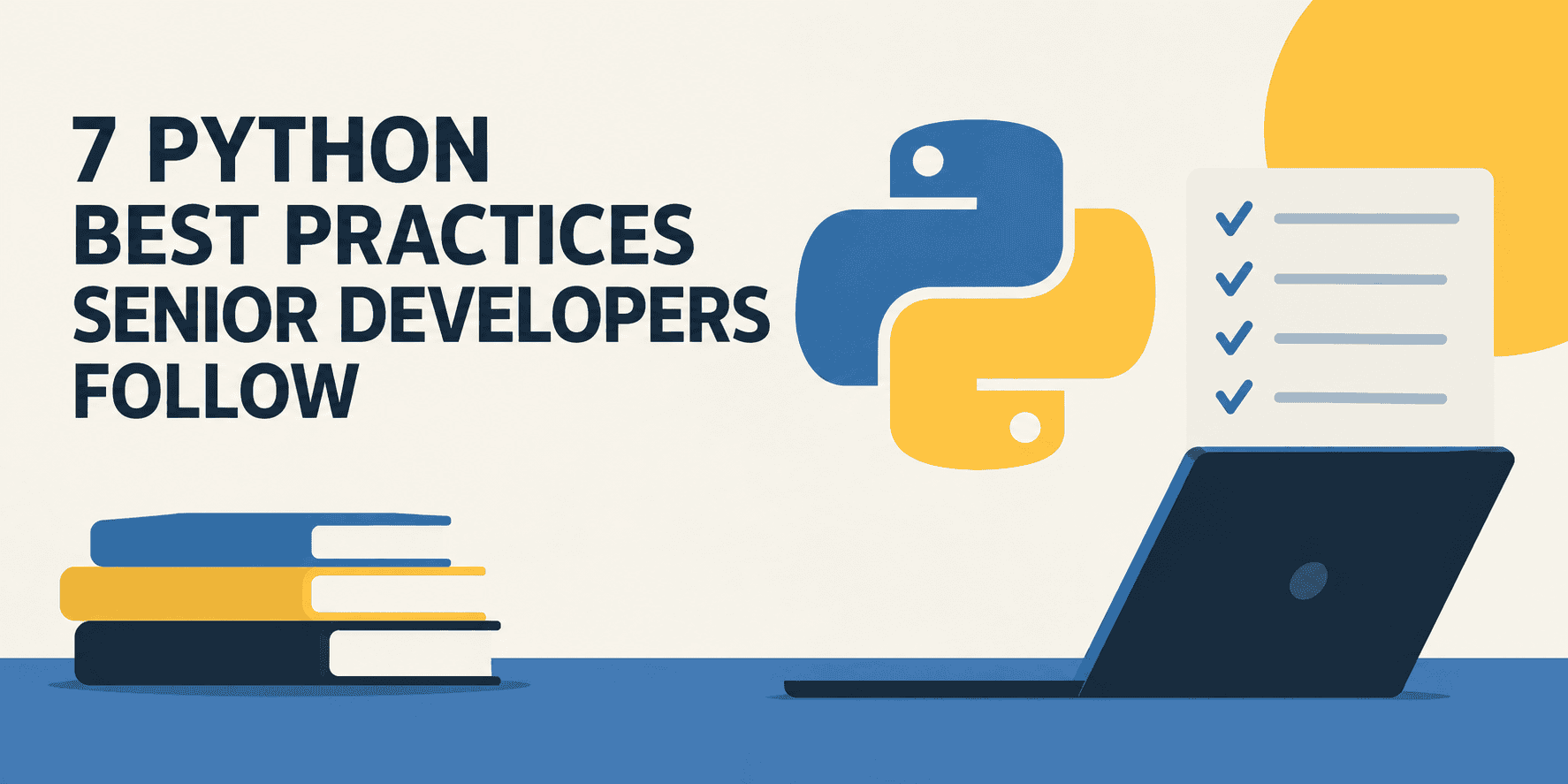
Seven Python habits that surface surprises before production does
Watching senior developers work is less about speed and more about calm. The seven practices they follow are built to reduce surprise, catching issues before they ever reach production. It's a discipline that values foresight over cleverness. If you're ready to move beyond syntax and into mindset, these habits are worth your attention. For a deeper look at how advanced thinking reshapes code, our piece on unlocking Python's potential pairs well with this. The goal isn't to do more. It's to make the unexpected rare.
Your AI Bot Just Fixed a Bug While You Were Asleep
A bug reproduced in staging, documented with screenshots, and assigned to the right engineer, all while you slept. That is the quiet power of Grok Bot, a tool that moves from suggestion to action. It closes the gap between what a spreadsheet can do and what you actually need it to do. For those exploring how AI can reshape daily workflows, this is a practical starting point. And if you are curious about the underlying mechanics, our guide to distributed algorithms offers a deeper look.

Azure Repos code reviews now billed per review with five-concurrency limit
Microsoft has opened GitHub Copilot code review for Azure Repos to all Azure DevOps customers, acknowledging that many teams aren't ready to leave for GitHub. That's a practical move, one that meets users where they are. Reviews bill per use through your linked Azure subscription, with costs showing up in Cost Management two days later. Budgets alert you but won't halt reviews, and concurrency caps at five per organization. It's a straightforward, usage-based approach.

Smart Code Reviews Balance AI Speed with Human Insight
Finding the right balance between speed and scrutiny is the real challenge in modern development. Ben Linders explores how mandatory AI checks paired with manual spikes for complex changes can keep developers sharp without sacrificing momentum. The approach is refreshingly practical: let AI handle low-risk approvals, but reserve human review for what truly matters. It's a sustainable model for teams that trust their code owners. For more on how AI reshapes technical workflows, our piece on verifying AI's understanding offers a useful parallel.
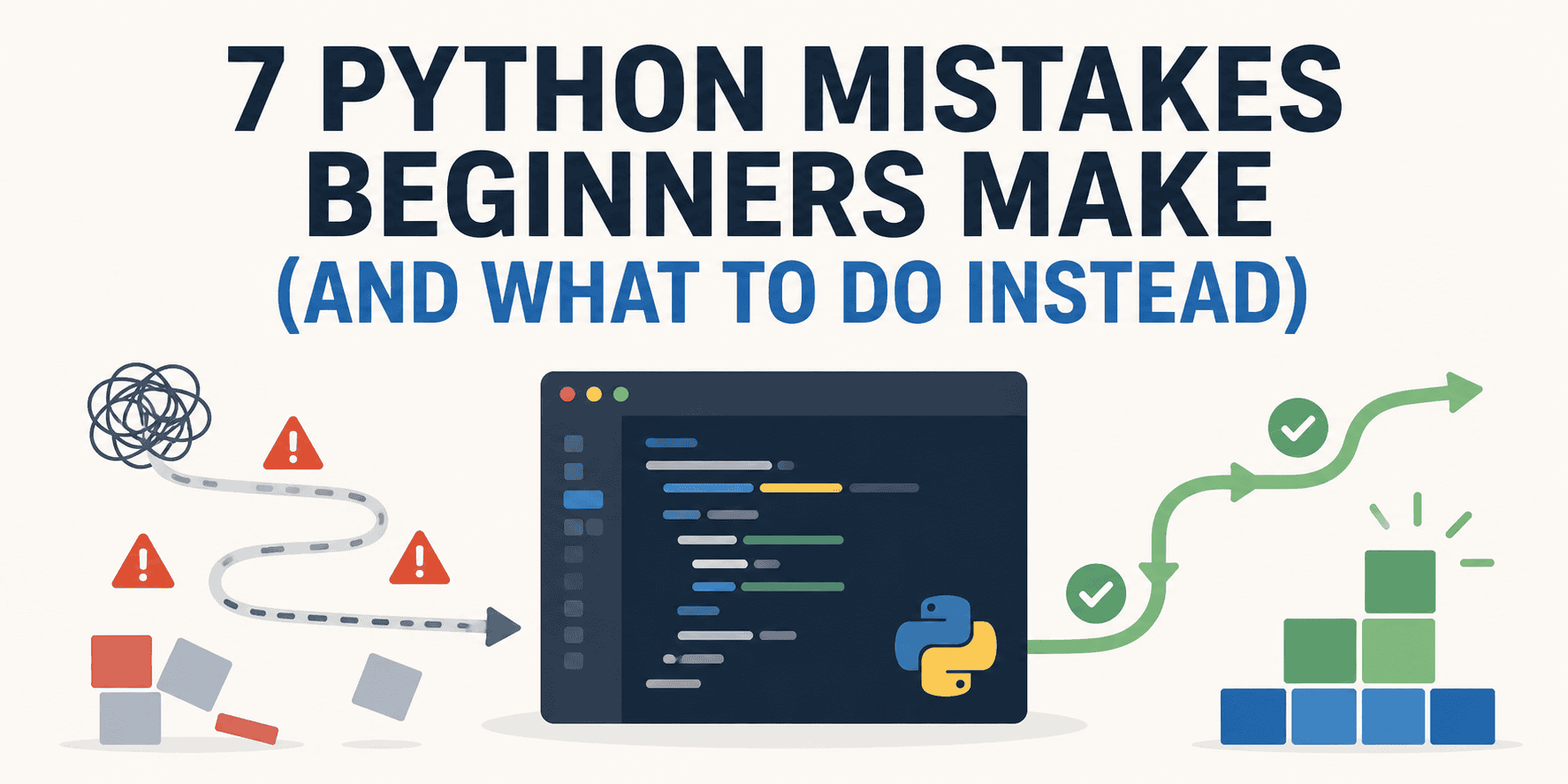
Learn from Common Python Errors to Write Cleaner Code
Your code runs, but it's wrong. That's the frustrating part of Python. The syntax is fine, the program executes, yet the output drifts from what you intended. These seven mistakes aren't typos or crashes; they're silent logic traps hiding in plain sight. We break down each hidden cause and give you the first concrete thing to check, so you can stop guessing and start correcting. For a deeper dive into smarter coding habits, our piece on unlocking Python's potential pairs well with this guide.

From Prompt to Production: How Roblox Scales Autonomous Code Safely
Andrew Swerdlow's take on scaling autonomous software development at Roblox cuts straight to what most engineering leaders are quietly wrestling with: moving from prompt to production without losing control. His focus on security sandboxes, mining code review exemplars for institutional knowledge, and rethinking productivity around feature velocity feels like a practical blueprint, not a fantasy. It's a grounded argument for trusting AI where it earns that trust.
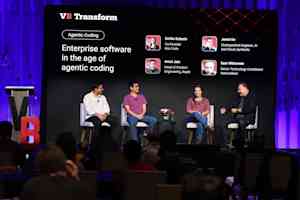
When AI agents write 99% of your code, managing cost becomes the new skill
Engineers at Kilo Code now write or read code about 1% of the time, leaving agents to handle the rest. That shift is forcing hard questions about what to hand over, who fixes model mistakes, and whether ballooning token bills signal progress or waste. For Replit, Symbotic, and Kilo Code, it's a welcome evolution, provided teams set clear guardrails. Symbotic's Jared Go notes agents excel at greenfield builds, but brownfield work remains the real test. Replit keeps a human on the loop, not in it.
Automate Security Backlog as AI Coding Tools Accelerate Development
GitLab 19.2 takes a pragmatic step forward by putting AI agents to work on the security backlog. As AI coding tools accelerate production, review work has piled up faster than human hands can manage. Four features now move out of beta, including Dependency Scanning Auto-Remediation and Security Review Flow. That's a sensible response to a real bottleneck. We're not talking about flashy promises here, just practical automation for work that matters.

Explore how AWS Continuum automates security across your entire code lifecycle.
AWS Continuum enters a crowded field with a focused promise: automate the entire lifecycle of code security. The platform pairs penetration testing, code review, threat modelling, and vulnerability discovery into one integrated system. That is a practical step forward for enterprises drowning in manual triage. It is not about flashy tech; it is about closing gaps faster. For teams still wrestling with legacy workflows, this feels like a nudge toward a more proactive posture.

Why a Second AI Lab's Review Outperforms Self-Grading Code
Claude grading its own PR is a comfortable trap. When the same model reviews its own output, blind spots echo back as confidence. A sharper path is cross-provider review with Codex in GitHub Actions, treating a second opinion from a different lab as the real checkpoint. It's a practical, human-centered fix for an AI problem. For more on questioning what AI tells you, "Talking to My AI Clone Taught Me to Question the Tech" pairs naturally with this.