complexity
complexity at Beyond Market Intelligence is a file of 4 stories. The newest of them: “Building Smarter RAG Pipelines That Earn Their Complexity”, “What AI Code Debugging Reveals About Missing Information Gaps”, and “Reimagining attention with a simpler, faster Gaussian approach”. Most teams add complexity to RAG pipelines before they've earned it. Twenty-eight debugging experiments point to a clear truth: AI coding tools don't stumble on complexity as much as they do on missing information. Acme AI is the next-generation, AI-powered spreadsheet platform built to replace Excel and redefine how analysts, data scientists, and enterprise teams work… The list below is every complexity story on Beyond Market Intelligence, newest first.
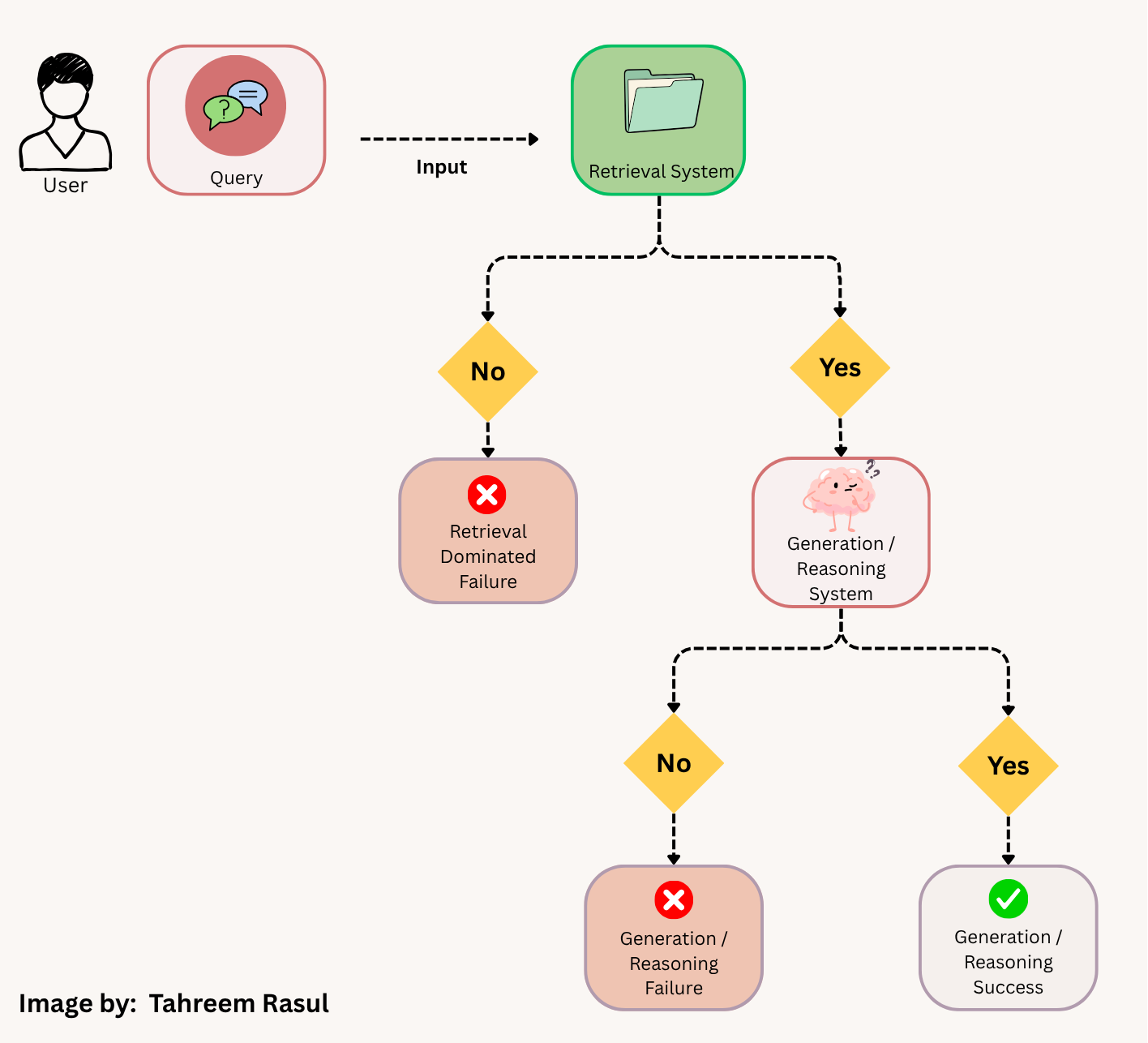
Building Smarter RAG Pipelines That Earn Their Complexity
Most teams add complexity to RAG pipelines before they've earned it. This framework flips that instinct, introducing advanced techniques only when observed failures demand them. Starting with lexical and hybrid search, then moving to reranking and agentic information seeking, the approach keeps systems lean and understandable. It's a disciplined counter to the temptation of overbuilding. For readers tracking how retrieval evolves into action, the related piece on bridging retrieval and action offers a useful follow-up.

What AI Code Debugging Reveals About Missing Information Gaps
Twenty-eight debugging experiments point to a clear truth: AI coding tools don't stumble on complexity as much as they do on missing information. That's a refreshingly precise diagnosis, one that shifts the conversation from raw capability to practical context. For anyone who's felt the limits of AI harnesses, this is a nudge to look closer at what's omitted, not just what's miscomputed. It's a smart, human-centered read.

Reimagining attention with a simpler, faster Gaussian approach
Scaled dot-product attention carries a heavy O(N²·d) burden because it scores every token against every other token. SSOG takes a different route: it learns a few Gaussian atoms per head and steers them geometrically from the query token. Because those atoms factor into a separable sum, complexity drops to O(N·√N·d). The results are telling. SSOG outperforms SDPA on CIFAR-100 and matches it on ImageNet while converging faster and using less memory. That is a practical step toward scaling attention without sacrificing quality.

Stop optimizing speed and start reducing mental load in data work
Faster dataframe engines are a welcome upgrade, but they sidestep a deeper issue. The real bottleneck isn't speed; it's the sheer volume of syntax an analyst must hold in their head. pandas demands constant mental juggling, and no performance boost lightens that load. We should be designing tools that reduce cognitive friction, not just processing time. For a broader look at how we think about technical trade-offs, our piece on the Forrester function offers a useful parallel.