content creation
Beyond Market Intelligence keeps content creation in one place: 27 stories so far. The section currently leads with “Explore AI-powered video editing: Transform your creative workflow”, “Textbooks reimagined as a scrollable, interactive learning feed.”, and “Explore how AI transforms spreadsheet work beyond endless copy and paste.”. Video editing has always felt like a battle against the clock and the timeline. Textbooks rarely make us lean in. Acme AI is the next-generation, AI-powered spreadsheet platform built to replace Excel and redefine how analysts, data scientists, and enterprise teams work… The list below is every content creation story on Beyond Market Intelligence, newest first.

Explore AI-powered video editing: Transform your creative workflow
Video editing has always felt like a battle against the clock and the timeline. We're genuinely excited to see AI step into that space through a conversational chat interface. This approach doesn't just automate tasks; it hands the creative control back to you, making the entire process feel less like a technical hurdle and more like a natural extension of your vision. It's a practical step toward a more intuitive workflow.

Textbooks reimagined as a scrollable, interactive learning feed.
Textbooks rarely make us lean in. ScrollEd thinks they should feel more like the content we actually scroll. The Palo Alto startup, founded by student co-founders and spouses Utsav Gupta and Rebecca Neff, turns dense chapters into a scrollable, Instagram-style feed with video, audio, and quizzes. It is a smart, approachable way to meet students where they already are. We are eager to see them pitch this at TechCrunch Disrupt. For more on how platforms are evolving, check out our piece on Meta's Smart Glasses.
Explore how AI transforms spreadsheet work beyond endless copy and paste.
Copy-paste hell is a familiar grind, but it doesn't have to be your default workflow. I asked Fable 5.1 and GPT-6 Astra to pull me out of that loop, and the results genuinely surprised me. Both tools brought distinct strengths to the table, turning a tedious chore into something almost elegant. It's a practical glimpse at how AI can reshape daily tasks, and if you're curious about broader AI applications, our piece on real-world computer vision pairs nicely with this exploration.
Discover how AI turns code into a film in under a minute.
A 37-second film is a tight constraint, and Claude Fable 5.1 is making waves by turning a code challenge into a miniature cinematic moment. It's a clever stress test, one that shows how far AI has come in handling creative, time-bound tasks. We're watching a shift in what's possible, and it's worth exploring how these models handle pressure. If you're curious about the mechanics behind such feats, our guide on distributed algorithms offers a solid foundation.

Bring Adobe's creative tools directly into your Slack workflows.
Adobe is putting its creative tools directly into Slack, with Express, Premiere, and Acrobat set to arrive in the workspace. That means less context-switching for teams juggling assets and approvals. It's a practical move toward a more connected workflow, and we're here for it. For a broader look at how AI is reshaping collaboration, our piece on Ando's AI-native messaging approach is worth a read. This integration feels like a natural next step in making powerful tools more accessible where the work actually happens.

Hollywood talent explores microdramas as a new creative frontier.
Eight-figure checks and exotic locations are no longer the only draw for A-list talent. Several Hollywood celebs are now turning to microdramas, trading traditional productions for a format built for rapid, mobile-first viewing. It's a pragmatic move, not a desperate one. These actors see where audience attention is heading and want in on that energy. The shift feels less like a gimmick and more like a smart bet on where storytelling is going.

Flipboard expands its open social web with Graze's creator tools.
Flipboard is folding Graze into its platform, betting that the feed builder's privacy-friendly ad tech and creator tools can help monetize the open social web. It's a practical move, one that pairs Graze's Bluesky expertise with Flipboard's broader push for a less siloed internet. We're watching how this complements the resilience shown by publishers like Cloudflare, whose EmDash migration recently proved performance gains aren't locked to legacy systems. The open web needs workable economics, and this acquisition feels like a step in that direction.
Format Your TDS Draft with Clarity and Confidence
Formatting a draft shouldn't feel like a puzzle. Our updated guide walks you through the Contributor Portal step by step, so you can focus on the ideas that matter. We've stripped away the guesswork, offering clear, practical direction that fits how you actually work. Whether you're revising an old piece or starting fresh, this guide helps you move from raw text to polished submission with less friction. It's about making the process as straightforward as the thinking behind it.

Discover how AI simplifies video editing with a first draft in seconds.
Instagram says its new First Draft feature can turn raw footage into a rough cut in under 10 seconds. That is a meaningful step for creators who lose hours to trimming and rearranging clips, and it lowers the barrier for newcomers who find editing software intimidating. We like the direction: simpler tools that respect time. For more on how Meta is reshaping its platforms, check out our piece on Meta's smart glasses expanding connected experiences.

Explore a faster, more intuitive home for data science readers and writers
We rebuilt the TDS website and contributor portal from the ground up, and we're eager for you to see what that means for your daily reading and writing rhythm. Speed improves, navigation clears, and the publishing process feels less like a hurdle. This is about removing friction so your ideas carry the day. For more on how we think about performance and structure, our coverage of Cloudflare's EmDash migration offers a useful parallel. Explore the new space, and let us know what you discover.

How AI quietly reshaped a third of the modern web
A third of web pages published since ChatGPT's launch now show signs of AI authorship. That's a striking signal about how quickly synthetic content has woven itself into the web's fabric. It raises a pressing question: how do we keep our data meaningful when machines are editing so much of what we read? This isn't about shaming the tools; it's about staying clear-eyed.

Patreon gives smaller creators more visibility with Clips and smarter discovery
Patreon is giving smaller creators a real shot at being seen. The platform's 30 new features, including short-form Clips and topic-based communities, tackle the hardest part of the job: discovery. A revamped recommendation system now prioritizes visibility for those who've long been overlooked. That's a meaningful step toward leveling the field. For creators tired of shouting into the void, this feels like a welcome shift.
Reddit tests audio and video to transform how you explore stories
Reddit is starting to test audio and video versions of popular posts, letting users watch or listen to stories instead of just reading them. It's a straightforward move toward meeting people where they already spend time, and it makes sense for a platform built on conversation. The shift feels natural, not forced. If you're curious about how other platforms are adjusting their content strategies, our piece on Meta reversing course on ads for the Musk documentary offers a useful contrast.

YouTube updates its monetization threshold: earn with more hours or views
YouTube just made the barrier to entry twice as steep. Creators now need 8,000 qualified watch hours over the past year, or 20 million Shorts views in 90 days, before monetization kicks in. That is a serious jump from the old threshold. We get why they did it, but it puts real pressure on smaller channels still finding their footing.
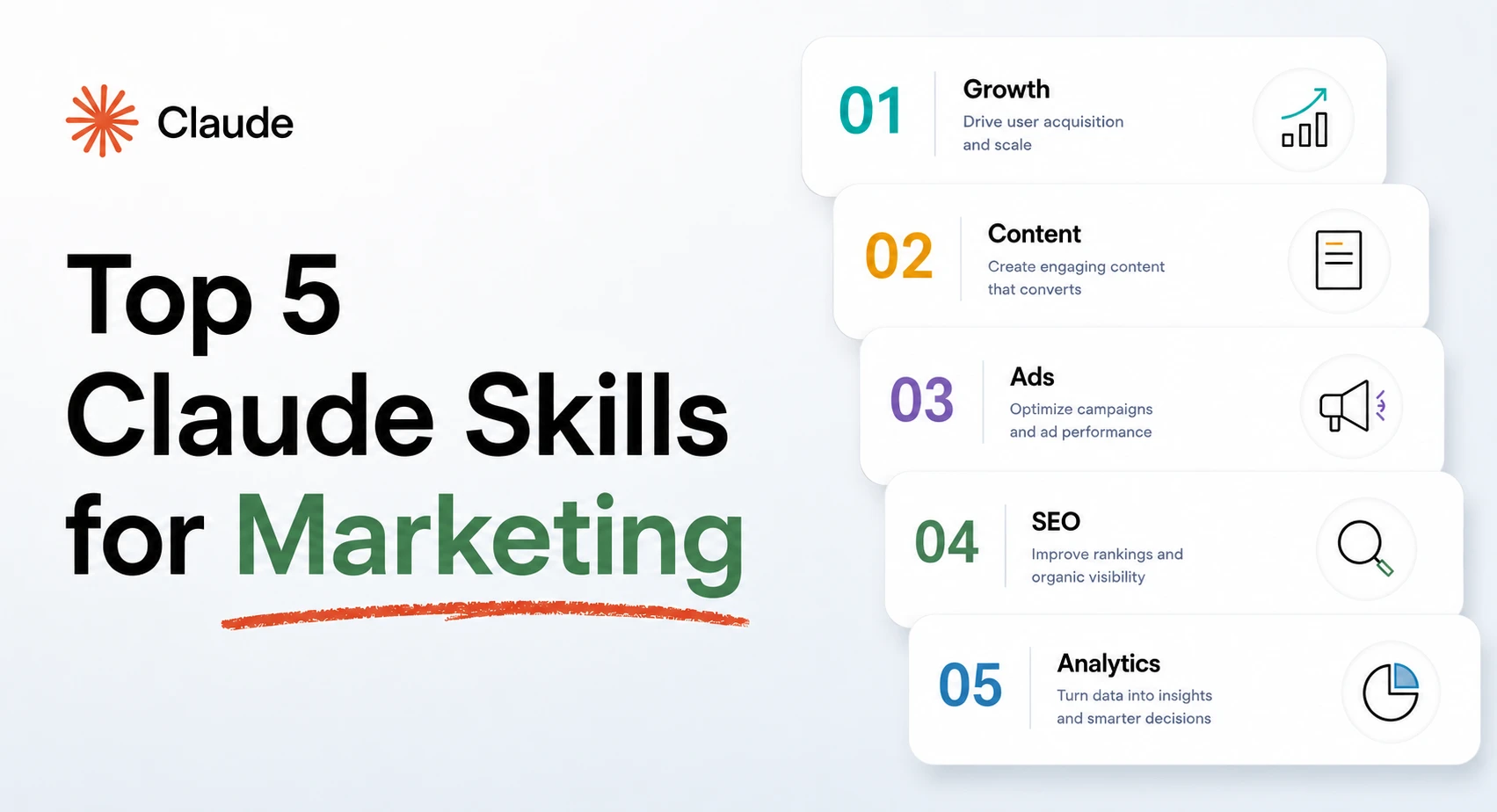
From Prompt to Process: Building a Cohesive AI Marketing Workflow
Most marketing teams use Claude to draft an ad or email from a prompt. That works, but it's hardly a system. The real work still involves research, positioning, channel planning, and reporting. This guide cuts through the noise to highlight five Claude skills that address those missing pieces. It's a practical, honest look at moving from one-off tasks to a repeatable workflow. For a deeper dive into AI's limits, check out "Talking to My AI Clone Taught Me to Question the Tech."

Turn your Disrupt idea into an event that connects with thousands
The Disrupt main stage is only half the story. The real connections often happen in the rooms you choose to build. That is why we are inviting you to host your own Side Event at TechCrunch Disrupt 2026. You bring the concept, whether it is a founder mixer or a morning run, and we provide the audience already in town for the action. It is a direct way to shape the conversation.
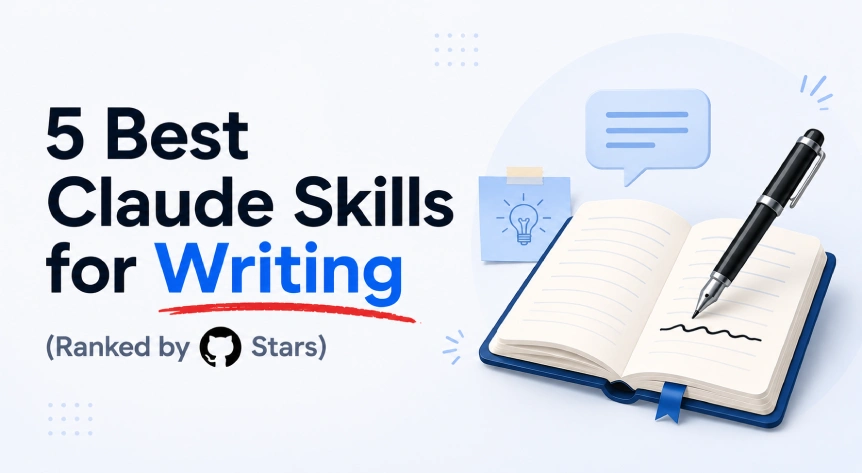
5 Claude Skills That Actually Help You Write Better
Most writing-focused AI skill lists pad themselves with commit messages and status reports. This one does not. It ranks repositories by GitHub stars, but only those built specifically for writing or editing. That distinction matters. It filters for genuine utility, not accidental relevance. If you are exploring how AI can sharpen your prose, this is a practical, no-nonsense starting point. And if you want to question the tech further, our piece on talking to an AI clone offers a useful counterpoint.

Disney+ invites TikTok creators to transform fan content into short-form video.
Disney+ is turning to TikTok creators to fill its short-form feed, a move that acknowledges where viewer attention actually lives. By inviting fan-made content into the app, the streamer is betting on authenticity over polish. It's a practical step toward staying culturally relevant, even if it blurs the line between platform and partner. For context on how platforms are rethinking content strategy, our piece on Cloudflare's Blog Finds Performance Gains with EmDash, Its New CMS offers a useful parallel.

When AI Feels Too Good, It's Time to Reassess Your Habits
Hank Green's candid admission about his AI usage being "not healthy" lands with rare honesty. He didn't hide behind productivity or innovation; he named the dopamine loop directly. That kind of self-awareness matters, especially when we're all so eager to embrace what AI can do. It's worth pausing to ask what we're trading for that efficiency. For a deeper look at how these tools shape our thinking, our piece on talking to an AI clone offers a thoughtful parallel.

Snapchat refocuses Spotlight on human-made content, not AI-generated video
Snapchat is drawing a line in the sand: only videos made by real people will get Spotlight recommendations. It's a direct move against the flood of fully AI-generated content, and frankly, it's the right call for keeping the platform human. We're all for AI that assists, but when it replaces the creator entirely, the authenticity fades. This stance echoes our own exploration of AI's limits, like in "Talking to My AI Clone Taught Me to Question the Tech," where the human element still matters most.

Reddit turns viral posts into a video experience you can watch or hear
Reddit's testing a new video experience that turns viral posts into something you can watch or just listen to, borrowing the format that's made TikTok a habit. It's a smart move, not because it copies a trend, but because it meets users where they already are: scrolling, multitasking, and craving stories without the friction. CEO Steve Huffman says testing could start later this year. For anyone tired of legacy feed limitations, this feels like a step toward a more accessible, human-centered way to consume content.
The quiet cost of AI content and what it means for data clarity
We've all seen the flood of AI-generated content, but the real issue isn't the slop itself, it's the quiet erosion of trust in what we read. In a revealing interview, Substack's CEO gets candid about how this deluge challenges platforms and readers alike. It's a conversation that deserves more attention, especially as we navigate what's real.

How AI is reshaping streaming into one unified experience
For a decade, streaming platforms carved out their own corners: music here, video there. That era is closing. As AI simplifies how we create, organize, and recommend content, those walls are dissolving. Spotify, Netflix, YouTube, and TikTok are no longer just specialists; they are racing to become universal entertainment hubs. It is a bold move toward convenience, and one that could genuinely redefine how we consume media.

How AI is reshaping the music upload landscape at Deezer
Deezer reports that over 50% of daily uploads are now AI-generated, with more than 90,000 such tracks landing on the platform each day in June. That is a staggering volume of synthetic sound. It raises questions about what we are actually listening to and how we verify authenticity. This feels like the right moment to pause and examine our relationship with AI output. Our piece on talking to an AI clone offers a useful starting point for that reflection.