continuous learning
continuous learning at Beyond Market Intelligence is a file of 3 stories. The newest of them: “Master the Code by Slowing Down in the Age of AI”, “Evolve Your Recommendations: Real-World Insights on Adaptive Systems”, and “Discover how adaptive AI makes question recommendations feel personal and productive.”. Ben Linders argues that real mastery in software engineering comes from slowing down, even as generative AI accelerates output. Adaptive recommendation systems are rarely defeated by model architecture alone. Acme AI is the next-generation, AI-powered spreadsheet platform built to replace Excel and redefine how analysts, data scientists, and enterprise teams work… The list below is every continuous learning story on Beyond Market Intelligence, newest first.
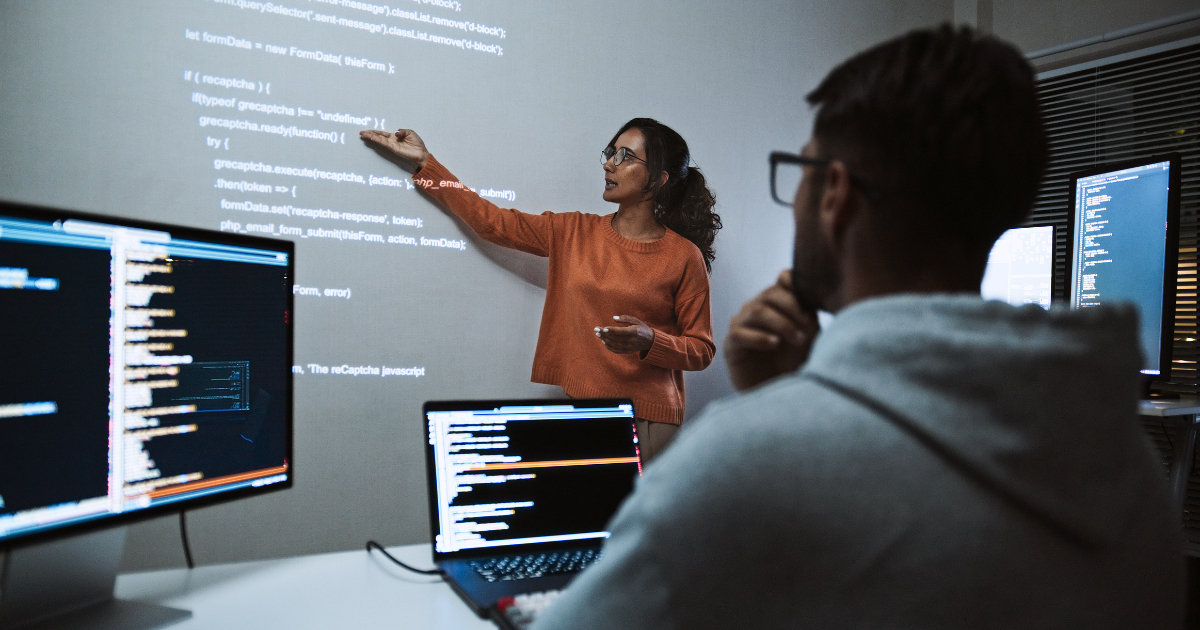
Master the Code by Slowing Down in the Age of AI
Ben Linders argues that real mastery in software engineering comes from slowing down, even as generative AI accelerates output. He's right. Tools can produce code quickly, but they don't build understanding. Engineers still need to grasp how systems work to truly learn. Senior developers who coach juniors through deliberate, slower techniques are preserving the craft. For more on what AI agents can, and cannot, do with code, see our coverage of "300K lines refactored for $4,000: what a C codebase taught AI agents."

Evolve Your Recommendations: Real-World Insights on Adaptive Systems
Adaptive recommendation systems are rarely defeated by model architecture alone. Mallika Rao shows that real complexity emerges in production, where real-time feedback loops, retrieval freshness, and multi-stage orchestration must all bend to latency and cost constraints. This is practical insight, grounded in operational reality. For deeper context on how such systems are built, explore our piece on *Agent Harnesses* to see similar engineering discipline applied elsewhere. Rao's work is a reminder that evolution happens under pressure, not in isolation.
Discover how adaptive AI makes question recommendations feel personal and productive.
Building an adaptive question bank means shifting from static quizzes to a system that learns with the student. The core challenge isn't just tracking wrong answers; it's balancing targeted weakness practice with confidence-building wins. Weaving in older topics to test retention adds a crucial layer, ensuring knowledge sticks. For a deeper dive into the practical hurdles of such systems, our piece "Evolve Your Recommendations" breaks down where the real complexity lives. This is about building a tutor that feels human, not just a clever algorithm.