Ben Linders makes a point that should land squarely on every engineering leader's desk: slowing down is the fastest path to real skill development in an AI-assisted world. We agree. The pressure to ship code faster with generative AI tools is real, but speed without comprehension creates a brittle workforce, engineers who can produce output but cannot explain, debug, or improve the systems they build. That is not productivity; it is dependency.
Generative AI can accelerate outcomes without supporting genuine learning. This resonates especially when we consider what happens when those tools fail or when the problem shifts outside their training data. A developer who has only ever generated code through prompts lacks the mental models to diagnose a subtle concurrency bug or to reason about trade-offs in system design. The related piece on 300K lines refactored for $4,000: what a C codebase taught AI agents shows that AI agents can execute large-scale refactoring tasks efficiently, but it also implies that the engineers who understood that C codebase deeply were the ones who could verify and direct the agents. Without that foundation, the agent's work becomes a black box. Meanwhile, AI in Hospitals Adds Nearly $1B to Care Costs, Study Finds reminds us that adopting AI without understanding its downstream effects can introduce hidden costs. The parallel for software engineering is clear: using AI to generate code without understanding it creates technical debt that compounds over time.
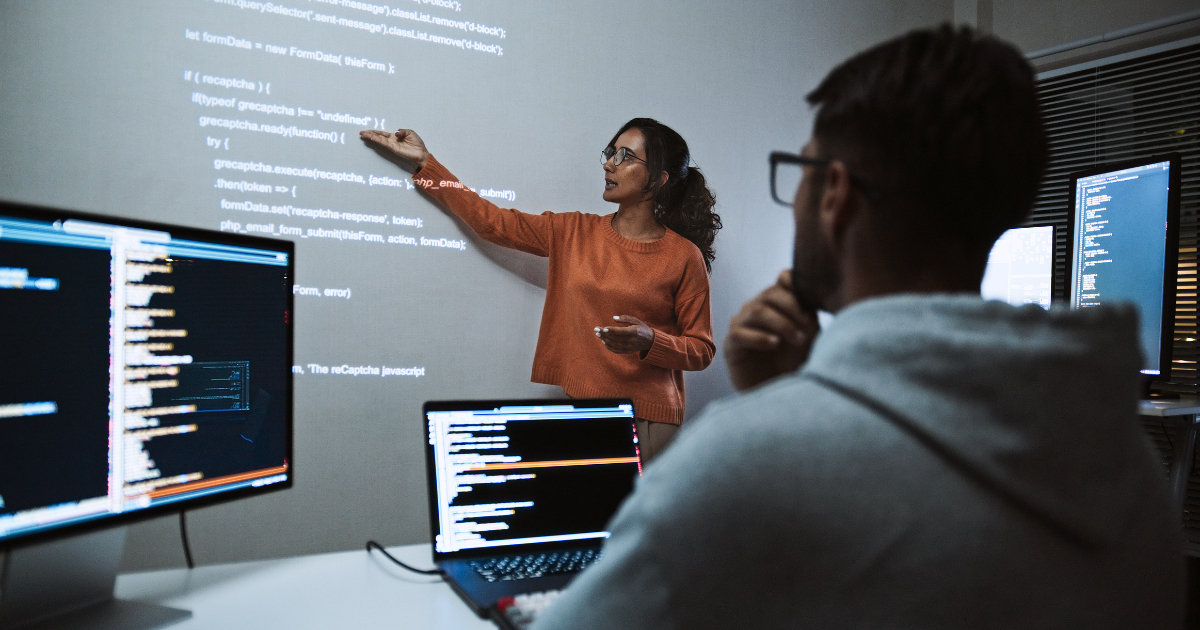
So what does slowing down look like in practice? Linders points to senior developers coaching juniors using deliberate learning techniques. That means structured code reviews where the senior explains *why* a pattern works, not just that it does. It means asking a junior to write a function by hand before letting an AI generate it, then comparing both approaches. It means scheduling time for reading documentation, tracing execution paths, and reproducing bugs from first principles. These activities feel inefficient on a sprint board, but they build the durable skills that allow engineers to use AI as a multiplier rather than a crutch.
The specific takeaway here is direct: engineering organizations that measure success only by output velocity will find themselves with teams that can generate code but cannot own it. The teams that invest in deep understanding, through slowed-down coaching, deliberate practice, and structured learning, will be the ones that can adapt when the AI tools change, break, or get replaced. Watch for your own team's reaction the next time a junior engineer asks "why" instead of "how." That question is the signal worth protecting.