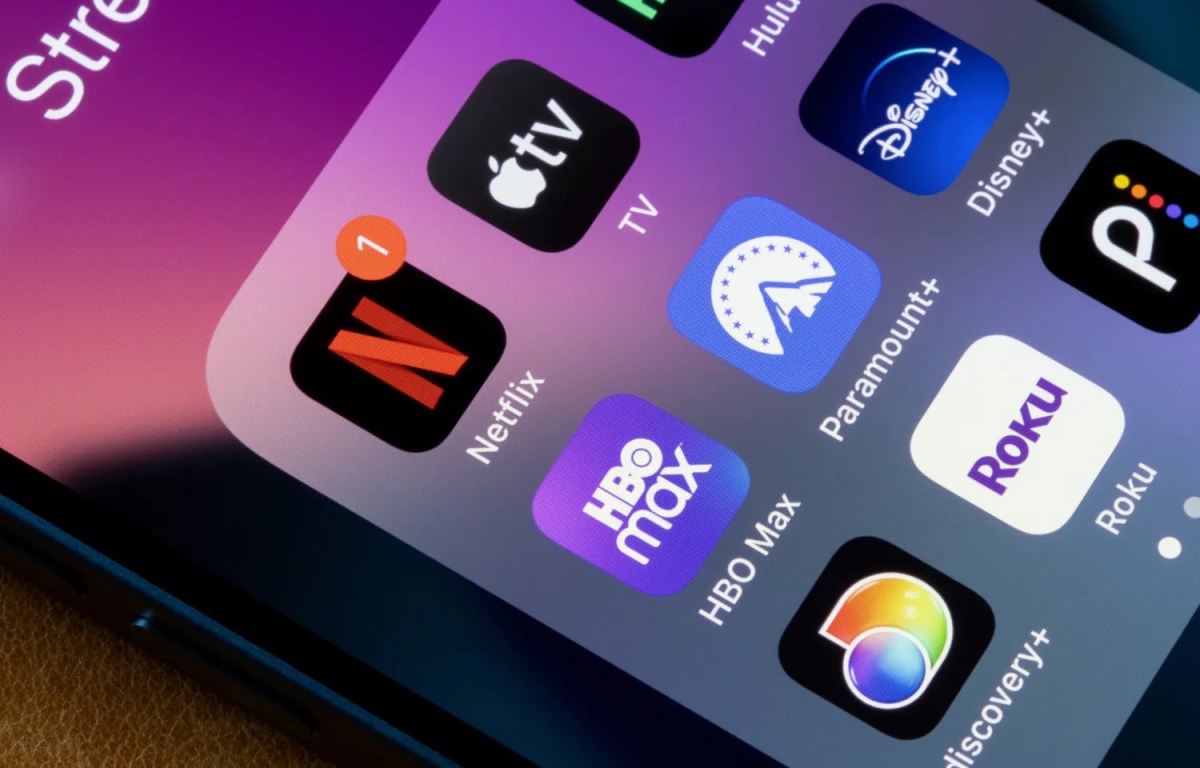
The streaming wars have long been defined by a simple playbook: acquire more, spend more, and hope the scale of your library outlasts your rivals. So when Peacock opts for distribution over acquisition, it's worth paying attention to the logic. The new deal with YouTube means Peacock content gets embedded directly into the YouTube experience, letting viewers discover and watch without hopping platforms. That is not a retreat from the fight; it is a smarter read on how attention actually moves in 2025. People are not loyal to apps, they are loyal to the moment of playback, and YouTube owns more of those moments than any other service.
This is where the story connects to the broader trends we have been tracking in AI-assisted creation and discovery. Consider how Explore AI-powered video editing: Transform your creative workflow shows creators leaning on AI to handle the mechanical parts of production, or how Empower Your YouTube Experience: AI-Driven Custom Feeds Emerge describes viewers dictating their own feeds in plain language. The common thread is that the platform is becoming less of a destination and more of a connective layer. Peacock's move fits that same pattern. Instead of forcing users to remember another login or navigate another interface, the content comes to them inside a space they already trust. The practical effect for viewers is a reduction in friction, which is the quiet engine behind most successful adoption stories.
Our take is straightforward: this is what a mature strategy looks like when the landgrab era ends. The rivals chasing acquisitions are betting that owning more intellectual property will eventually translate into pricing power. Peacock is betting that owning the relationship with a viewer's discovery habit is worth more than owning the file. It is a different kind of moat, and it is one that relies on partnership rather than isolation. For our readers, the implication is practical: expect more services to follow this path, not because it is trendy, but because the cost of customer acquisition on your own app has become prohibitive. The bundle is not just a discount play anymore; it is a distribution strategy.
The question we would pose to anyone watching this unfold is whether the integrated experience will actually change behavior or merely shift the same problem to a new screen. If YouTube becomes the front door for Peacock, the pressure moves to recommendation quality and algorithmic fit. That is why the related developments in YouTube Elevates Shopping: AI Now Compares Products Within Videos matter here. The same infrastructure that lets a viewer compare products inside a video can just as easily surface the right episode, the right film, or the right live event. The deal only works if the discovery engine is good enough to make the destination irrelevant. Watch for that. If the recommendations feel generic, the bundle will feel like a cable package all over again. If they feel intuitive, Peacock just turned YouTube into its best acquisition channel, and every competitor without a similar deal will be left asking a very expensive question.