data integrity
9 stories filed under data integrity on Beyond Market Intelligence. The newest of them: “Recovered your corrupted Excel file? Discover how to restore your data.”, “Build an AI pipeline that verifies every number before it answers”, and “When Fuzzy Matching Fails, a Safer Architecture Emerges for Data Lakes”. A corrupted file is a frustrating wall to hit, especially when you've already done the hard work of recovering it. A spreadsheet that confidently gives you a wrong number is just a rumor with a toolbar. Acme AI is the next-generation, AI-powered spreadsheet platform built to replace Excel and redefine how analysts, data scientists, and enterprise teams work… The list below is every data integrity story on Beyond Market Intelligence, newest first.
Recovered your corrupted Excel file? Discover how to restore your data.
A corrupted file is a frustrating wall to hit, especially when you've already done the hard work of recovering it. Your father's accidental deletion was solved, but the file's refusal to open properly in its native `.xlsx` format points to a deeper structural break from the recovery process. Saving it as `.xls` only scrambles the text further, which tells us the data's integrity is compromised, not the extension. It's a practical reminder that recovery isn't the same as restoration.
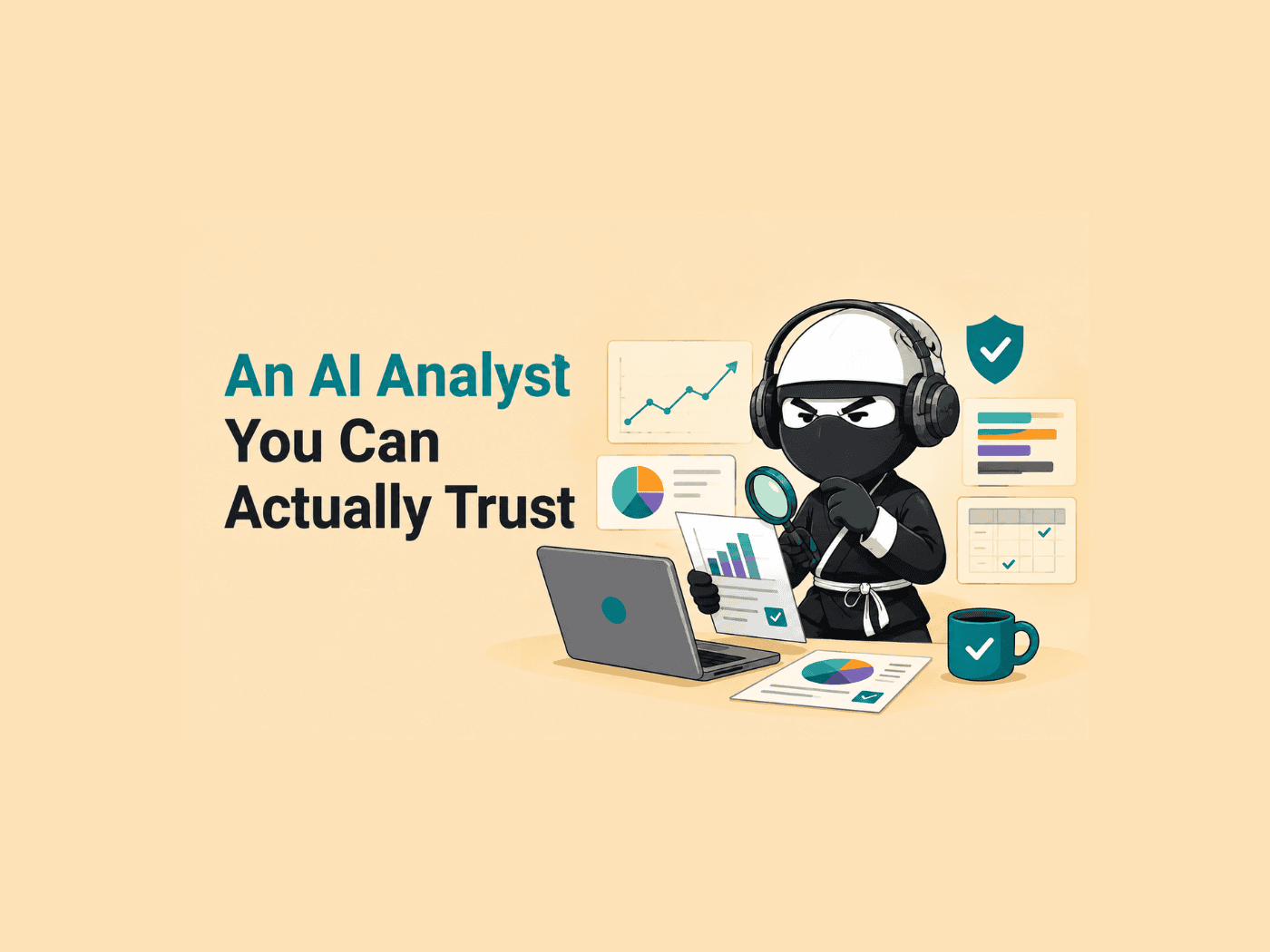
Build an AI pipeline that verifies every number before it answers
A spreadsheet that confidently gives you a wrong number is just a rumor with a toolbar. That's why we built a six-stage pipeline for an AI data analyst that thinks like a senior analyst: it checks its numbers before calling anything an answer. It's a disciplined approach to verification, not hype. If you're tired of tools that guess, explore this. For a related primer on the underlying mechanics, our guide to distributed algorithms is a solid starting point.

When Fuzzy Matching Fails, a Safer Architecture Emerges for Data Lakes
The matcher was supposed to finish what normalization started, but testing against real data proved otherwise: no version of it could be made safe. So the author set it aside, and what remains is a cleaner architecture built on that honest failure. It is a pragmatic take on entity key drift, favoring stability over cleverness. For readers wrestling with similar data lake challenges, this approach feels refreshingly grounded.

What Hidden Gaps in Your Data Reveal About Your Assumptions
We often treat missing values as a glitch, a blank cell to be filled or dropped. But that silence carries its own message, hiding assumptions we rarely question. This piece on Towards Data Science digs into what we overlook when data goes unrecorded, challenging us to see absence as part of the story. It is a thoughtful, grounded read for anyone who has ever trusted a dataset too quickly.
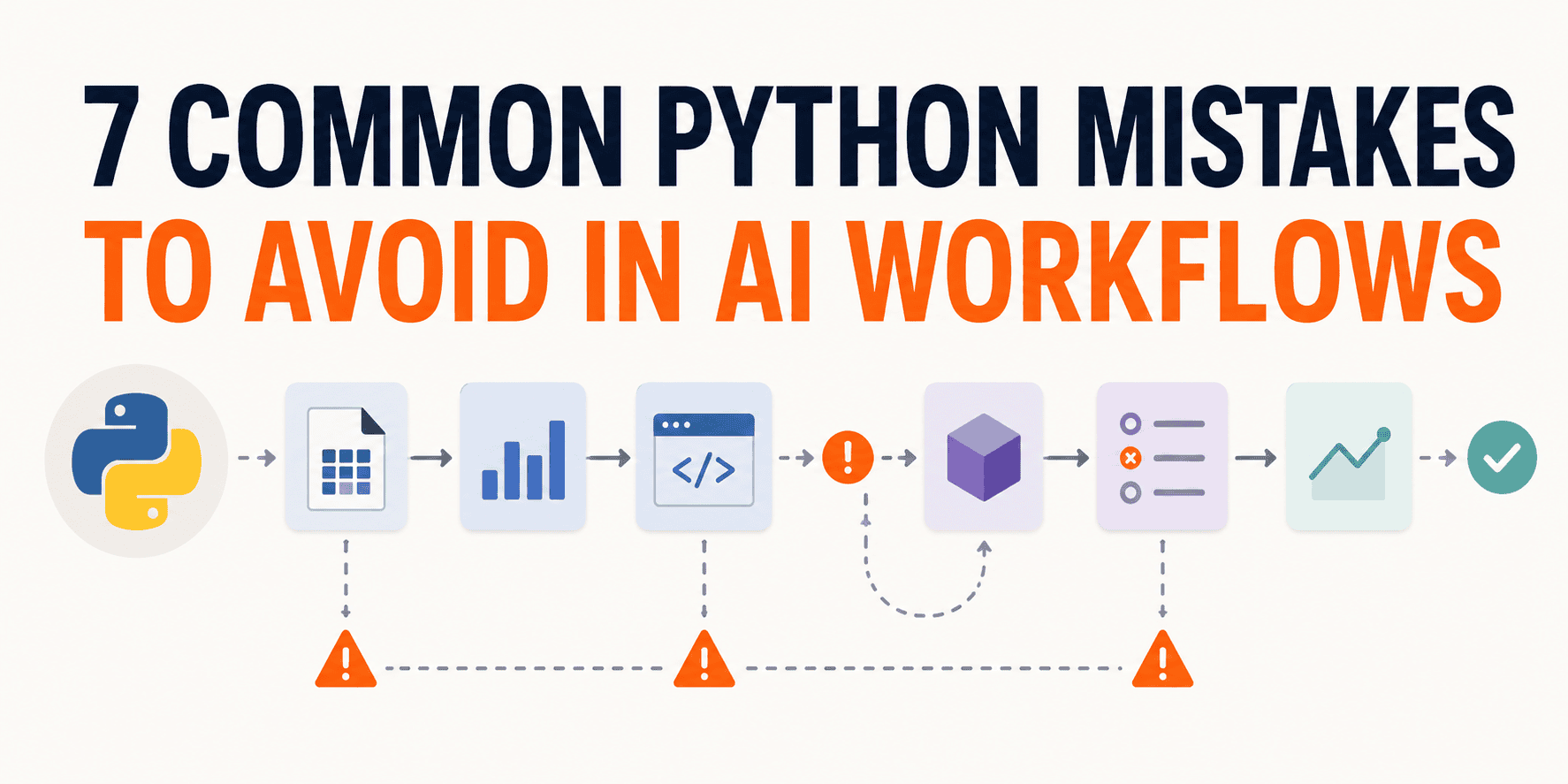
Your Pipeline Ran Clean. Here's Why That Doesn't Mean It Worked.
A clean run feels like a win. But in AI workflows, it's often a mirage. The process executed; that's all. It tells you nothing about what the pipeline actually learned, which rows shaped it, or whether the saved result can be trusted elsewhere. That gap is where real mistakes live. If you're ready to move past surface-level checks, our guide on distributed algorithms offers a natural next step. For now, let's focus on the seven pitfalls that quietly undermine your data's integrity.
Protect your data integrity when sharing spreadsheets with multiple users.
Sharing a sales dashboard across a team is a solid step toward better collaboration, but it also opens the door to accidental formula breakage. Sheet protection is a good start, yet it often feels like a blunt instrument when you need both control and flexibility. For cloud deployment, OneDrive or SharePoint works well for real-time co-authoring, but if your team needs deeper governance or analytics, a dedicated BI tool might be the more accessible path.

Scaling from 500 to 8,000 Events Per Second Without Sacrificing Accuracy
When an integration pipeline grows from 500 to 8,000 events per second, the temptation is to let correctness slide. This production account shows how one team scaled without sacrificing the two guarantees that matter most. It's a practical, grounded look at trade-offs, written for anyone who has felt the pressure of rapid growth. If you're curious about how performance and precision can coexist, this is the read for you. For a related take on turning complex systems into approachable tools, explore the Forrester Function piece.
Take Control of Shared Spreadsheets with Smarter Sorting and Locking
Sorting through a shared spreadsheet can feel like herding data that refuses to stay put. This user's frustration with jumbled blocks and IDs after filtering is a familiar pain point for anyone collaborating in Excel via SharePoint. The core challenge isn't the sorting itself, it's keeping order intact once filters disappear. Locking Column A to preserve block order per student while allowing ID sorting is a smart, practical fix. It's about making the tool work for the workflow, not against it.
Stop wasting hours on AI output that misses the mark
Every hour spent untangling AI-generated filler is an hour you don't get back. This story calls out the real cost of sloppy outputs, and it's not just about wasted minutes. It's about the mental drag of cleaning up noise. We appreciate the push toward sharper, more intentional use of AI. For a deeper look at how AI can mislead even its creators, check out "Talking to My AI Clone Taught Me to Question the Tech." The fix starts with demanding better.