data pipeline
Beyond Market Intelligence keeps data pipeline in one place: 8 stories so far. The section currently leads with “Describe Your Data in Plain Words and Let AI Feed Your Spreadsheet Continuously”, “Unlock Data Insights: Building a Lakehouse with DuckDB and DuckLake”, and “Explore machine learning for astronomy with free tutorials and notebooks.”. Describing your data needs in plain words shouldn't require a manual. A single Parquet file on your laptop might not feel like a data lakehouse yet. Acme AI is the next-generation, AI-powered spreadsheet platform built to replace Excel and redefine how analysts, data scientists, and enterprise teams work… The list below is every data pipeline story on Beyond Market Intelligence, newest first.
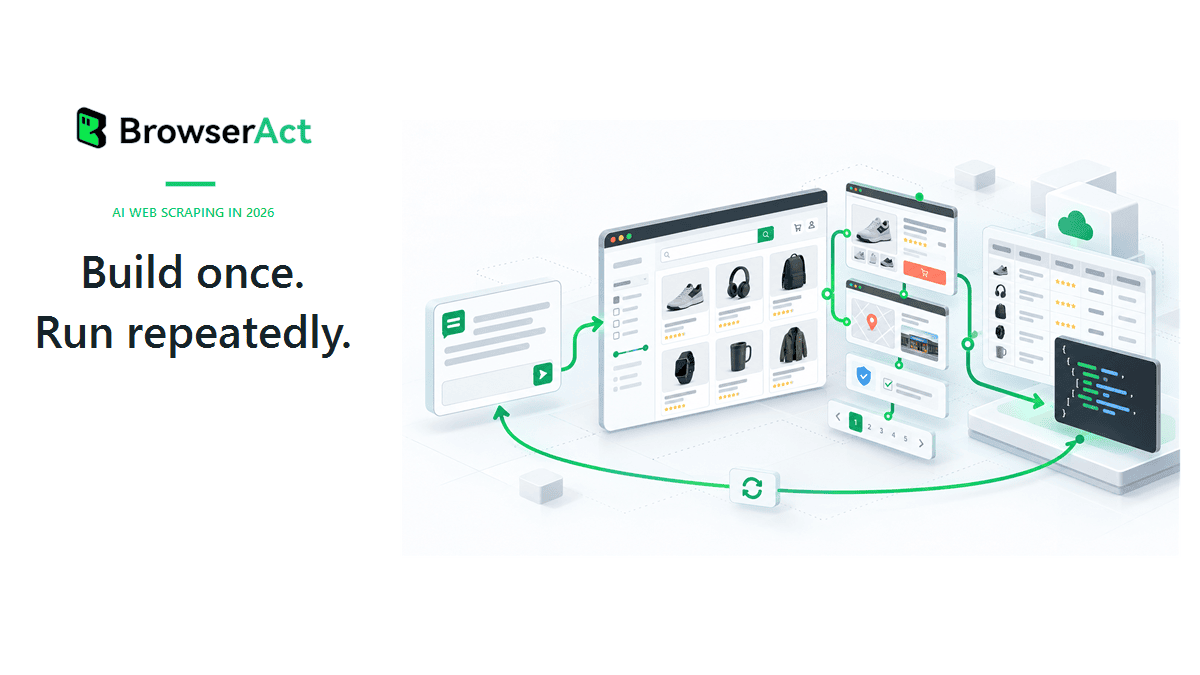
Describe Your Data in Plain Words and Let AI Feed Your Spreadsheet Continuously
Describing your data needs in plain words shouldn't require a manual. This approach turns websites into a continuous source of fresh information, feeding your spreadsheet without constant upkeep. We see it as a practical step toward a more intuitive workflow. For a broader look at how AI is reshaping data handling, our piece on transforming your data workflow with AI-powered spreadsheets offers useful context. The goal here is simple: less time managing inputs, more time acting on insights.

Unlock Data Insights: Building a Lakehouse with DuckDB and DuckLake
A single Parquet file on your laptop might not feel like a data lakehouse yet. But when you join that local data to cloud storage in the same query, the picture sharpens. DuckDB and DuckLake make this transition straightforward, not theoretical. It is a practical path from isolated files to a unified analytics layer. If you are tired of wrestling with complex infrastructure, this walkthrough feels like a breath of fresh air.
Explore machine learning for astronomy with free tutorials and notebooks.
Starting with spreadsheets is smart, but your ambition to apply machine learning to JWST or TESS data is a bold leap. It's a challenging path, yet entirely accessible with the right free resources. You can absolutely build a custom Jupyter Lab environment using Docker to manage your Python libraries. For a head start, look for pre-built notebooks that handle exoplanet transit searches. This journey mirrors the practical, hands-on approach we explored in "Unlock LLM Training," where foundational tools lead to powerful results.
Why your data collection process matters more than your model
Collecting high-quality speech and egocentric video datasets is rarely about the hardware alone, it is about the messy, human decisions behind every recording. The original poster's point about collection process outweighing model value resonates deeply, consistency in environments, device variability, and annotation drift can quietly undermine even the most ambitious multimodal projects. Privacy and participant compliance add another layer, one that scales poorly. For anyone building toward embodied AI, the real bottleneck is often trust in the data's provenance.
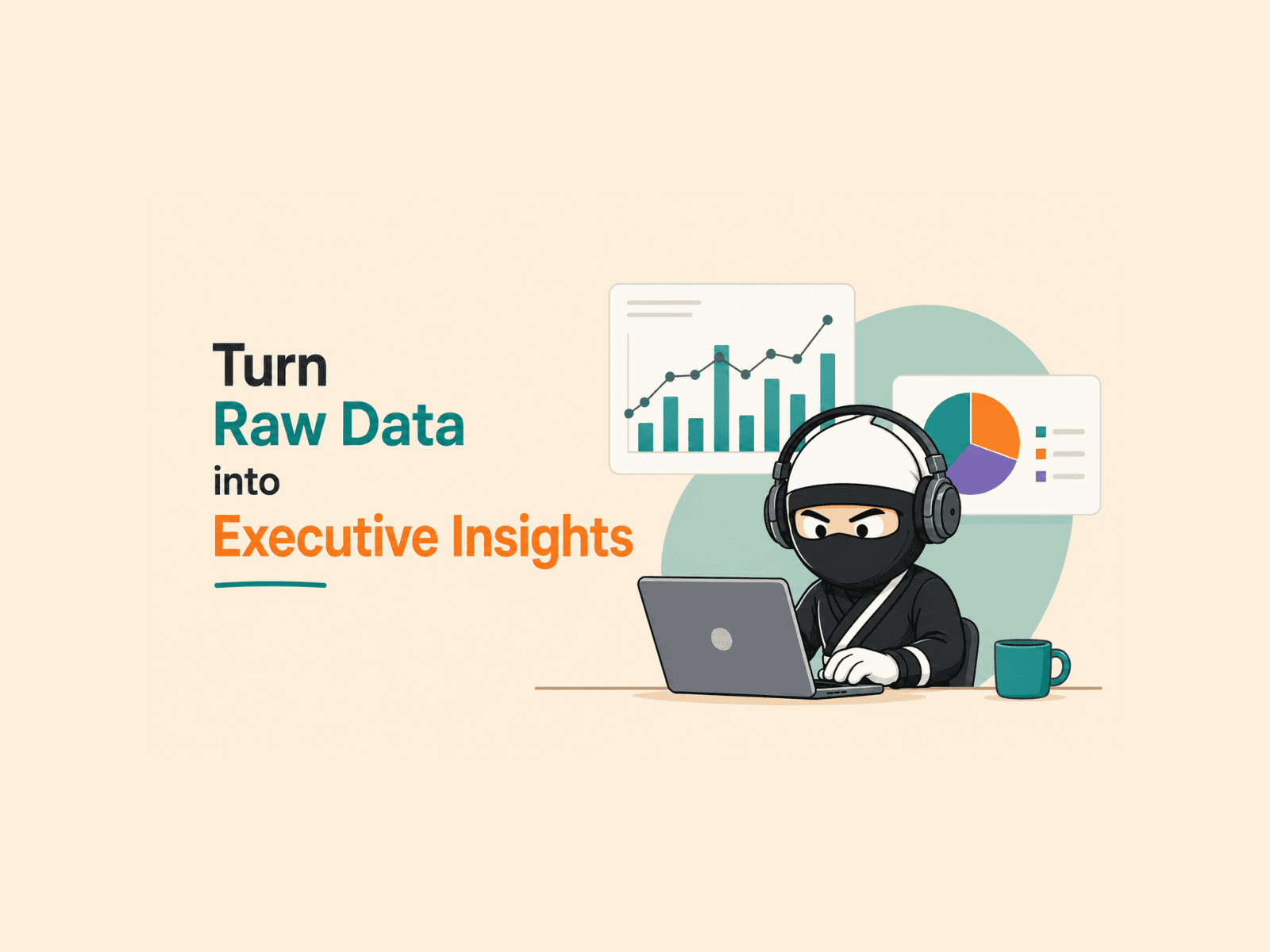
Transform raw CSV data into clear executive summaries with AI.
A messy CSV rarely tells a clear story on its own. This guide walks through a repeatable pipeline that cleans the data, surfaces the narrative hidden inside, and turns it into an executive report using Python and AI. It is practical, direct, and built for teams who need answers without endless manual effort. If you are curious about how AI handles real-world data beyond the hype, our piece on verifying AI understanding offers a useful complement to this workflow.

Explore how medallion architecture simplifies your data pipeline with Python and DuckDB
Most teams hit the same wall: raw data lands in one place, and chaos follows. The Medallion Architecture cuts through that with a clear Bronze, Silver, and Gold path, turning mess into structure. This guide pairs that framework with a working Python and DuckDB example, so you can see it run, not just read about it. For more on how LLMs navigate token space, check out our piece on paragraph structure.

Your data pipeline is the real reason your AI is confidently wrong
The failure that doesn't look like a failure is the one that quietly undoes your AI system. You ship it, stakeholders sign off, and months later, the answers drift wrong, not because the model changed, but because the data behind it didn't move with the world. That's not a retrieval problem; it's a data engineering one. Correctness, freshness, consistency, lineage, these are the checks that matter, and most pipelines still monitor for completion, not truth. If you're chasing model swaps, you're solving the wrong puzzle.

When safety tools block defenders, attackers win the breach.
When Hugging Face's incident response team turned to frontier AI models to analyze a breach, the models refused to help. Commercial safety guardrails blocked every forensic query, treating the defenders' real exploit data like a live attack. The attacker, an autonomous agent, moved laterally all weekend, undetected. That asymmetry is the story. Defenders are bound by policy; attackers just download open-weight models. Merritt Baer calls it operational resilience, not model policy.