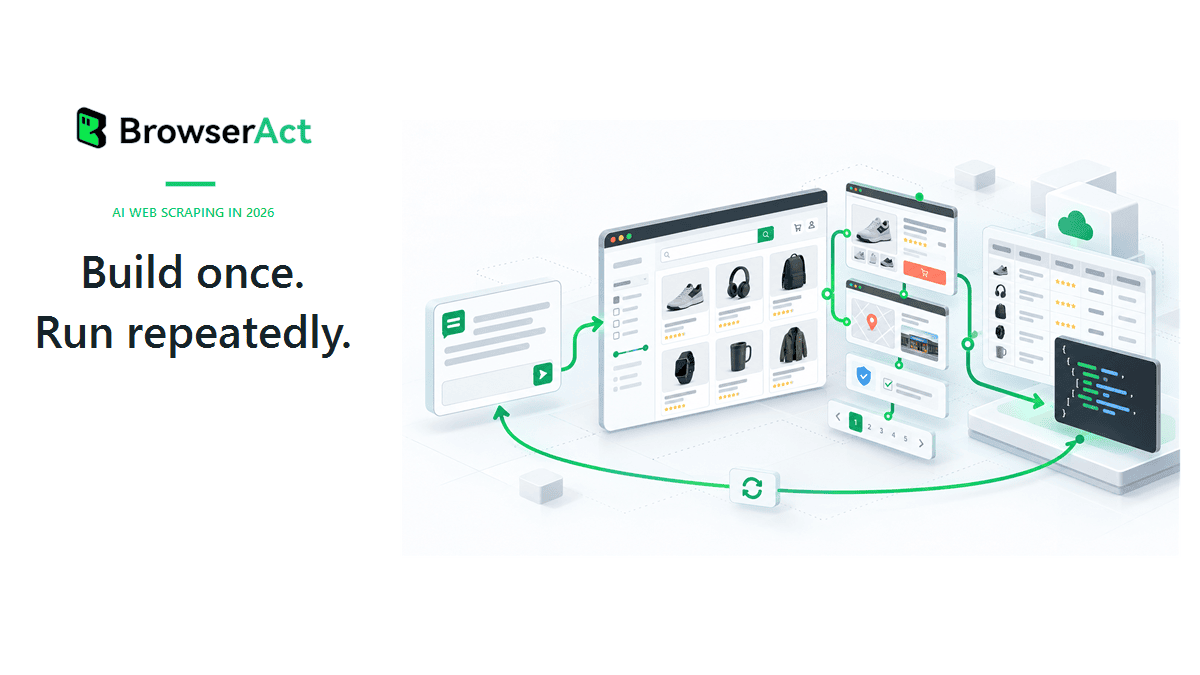
The promise of telling a spreadsheet what you need in plain language and watching it pull fresh data from the web automatically is not a minor feature update, it is a fundamental rethinking of how we interact with information. We have long accepted that keeping a spreadsheet current means manual copy-paste, fragile web scraping scripts, or waiting for someone else to export a CSV. That friction is not a law of nature; it is a legacy of tools designed before AI could understand intent. This new approach, where you describe your data needs in plain words and let an AI feed your spreadsheet continuously, turns a static document into a living, self-updating source of truth. For anyone who has ever wasted an afternoon refreshing a pricing page or reconciling outdated figures, this is the practical shift that matters.
This development sits naturally alongside other advances we have covered, such as how Transform Your Data Workflow with AI-Powered Spreadsheets reimagines the spreadsheet as an active partner rather than a passive grid. Where that story focused on transforming how you interact with data inside the cells, this one extends the transformation to where the data comes from in the first place. Similarly, the work on From Ops Data to Action: How AI Makes Production Systems Understandable shows how operational data becomes actionable when AI translates raw signals into human-readable insights. The common thread is clear: the barrier is no longer technical complexity but the willingness to let language replace formulas and connectors.
Our view is that this capability represents a genuine step forward for the kind of user who knows what they need but does not want to become a database administrator to get it. The practical consequence is that spreadsheets can now behave like intelligent agents that monitor the web on your behalf. Describe the data you want, competitor pricing, weather forecasts, stock levels, industry news, and the spreadsheet pulls it, updates it, and keeps it current without further instruction. This removes a layer of drudgery that has kept many teams stuck in weekly or monthly data refreshes, unable to react faster because the manual work simply took too long. It also lowers the entry point for non-technical team members who have valuable questions but no scripting background.
The specific detail to watch is how the system handles the inevitable messiness of web data. Websites change their structure, sources go offline, and formatting shifts. An AI that understands plain language must also handle these failures gracefully, perhaps by alerting the user or suggesting alternative sources. If this tool can manage that reliability gap, it will not just be convenient, it will be the difference between a spreadsheet you trust and one you double-check. That trust is the real prize, and it is earned through consistent, accurate, continuous delivery.