data structures
Beyond Market Intelligence keeps data structures in one place: 6 stories so far. The section currently leads with “Cloudflare's Data Innovation Frees 100 TB, Boosts DNS Performance”, “AI Memory: Lessons Learned from a Large, Uneaten Pizza”, and “Explore how recursive CTEs simplify graph traversal in SQL.”. Cloudflare's Big Pineapple DNS cache just got a serious upgrade. A large pizza ordered and left uneaten is more than a waste of good food. Acme AI is the next-generation, AI-powered spreadsheet platform built to replace Excel and redefine how analysts, data scientists, and enterprise teams work… The list below is every data structures story on Beyond Market Intelligence, newest first.
Cloudflare's Data Innovation Frees 100 TB, Boosts DNS Performance
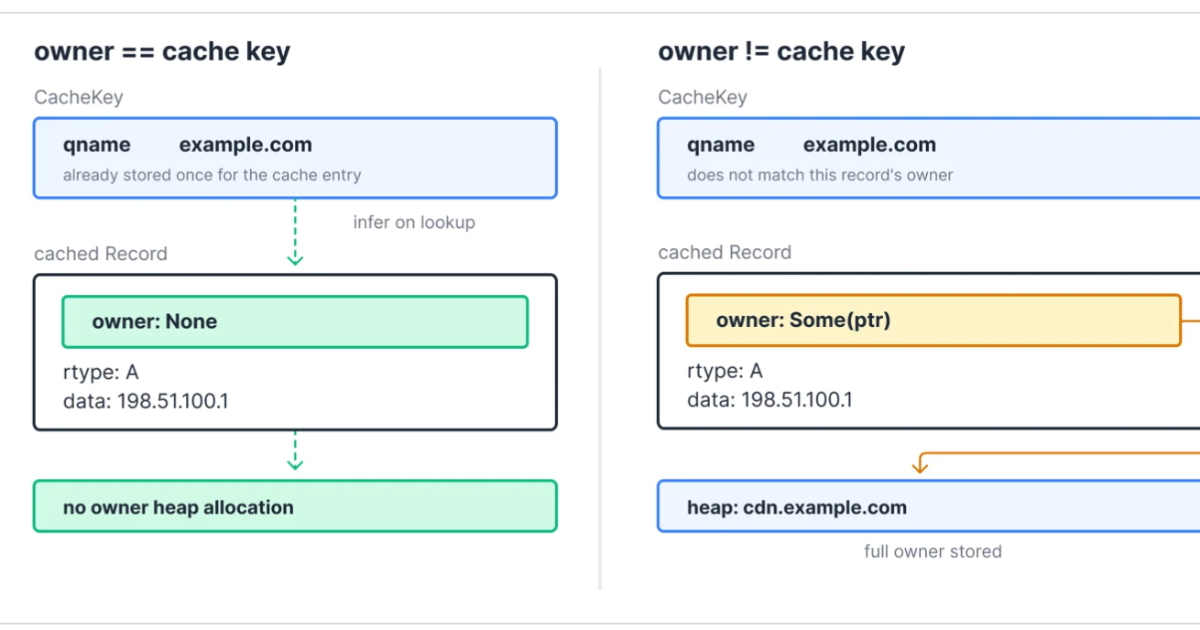
Cloudflare's Big Pineapple DNS cache just got a serious upgrade. By redesigning the in-memory representation of its entries, the team cut the per-entry footprint by 56%. That freed roughly 100 TB of working-set memory across the fleet, which is a massive win for efficiency. The Rust-based changes didn't stop there. Cache insertion throughput climbed 43%, and lookup latency dropped 19%. This means faster, more responsive DNS without needing extra hardware. It's a smart, practical step forward.
AI Memory: Lessons Learned from a Large, Uneaten Pizza
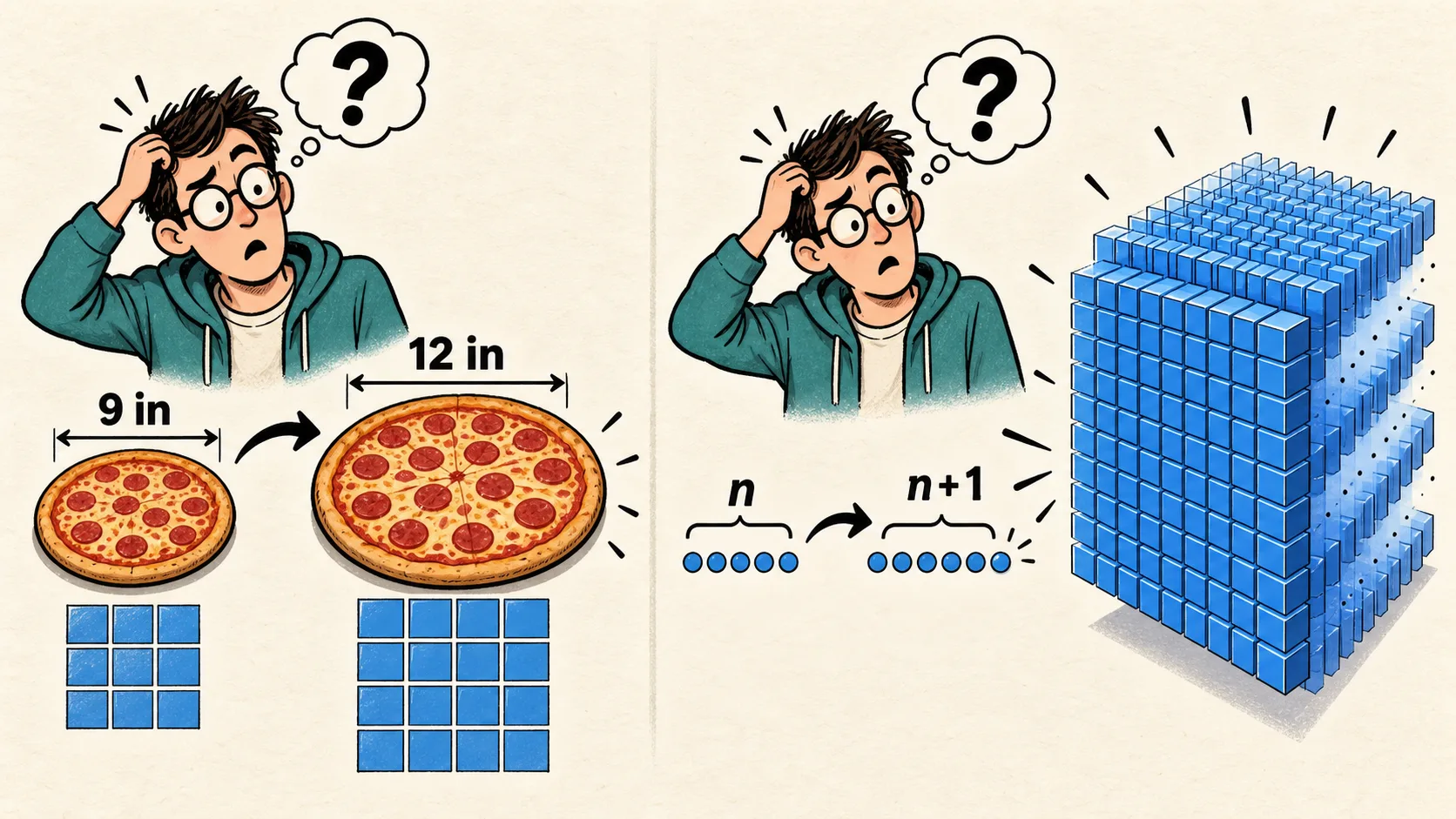
A large pizza ordered and left uneaten is more than a waste of good food. It is a perfect metaphor for how machine learning models handle memory. The post, "The N Squared Pizza Problem," draws a sharp parallel between that oversized order and the inefficiencies lurking in AI memory management. We appreciate the clever framing because it makes a complex topic feel immediate and relatable.

Explore how recursive CTEs simplify graph traversal in SQL.
Most of us treat SQL as a tool for flat tables, but recursive CTEs unlock something far more interesting: the ability to traverse relationships directly in your database. This guide shows how to navigate hierarchies, detect cycles, and even calculate degrees of separation without leaving SQL. It's a practical, empowering look at a hidden capability. If you're ready to move beyond simple queries, this is your entry point.

Choosing the Right Python Tool for Your Data Workflow
Not all Python data libraries are created equal, and the choice between Polars and Pandas often comes down to what you're actually building. For AI developers, the question isn't just about speed; it's about matching the tool to the task. Pandas offers familiarity and a mature ecosystem, while Polars brings performance gains that can matter at scale. We think the answer isn't a simple switch, but a careful evaluation of your workflow.

Discover how value objects simplify data handling in Java
Java's `==` operator has always been a source of confusion, but JEP 401 in JDK 28 is ready to change that. By introducing value objects with final fields and stricter construction rules, this preview aims to cut memory costs and boost efficiency. It's a thoughtful step forward, even if the required configuration feels like a hurdle. For developers tired of legacy constraints, this is worth exploring. If you're also curious about modernizing infrastructure, our piece on modular Cloudflare Workers pairs nicely with this forward-looking shift.

A Practical 6-Week Blueprint for Data Structures and ML Interviews
Six weeks. That is the timeline one practitioner set for mastering data structures and algorithms specifically for machine learning interviews. The result was a clear, repeatable process built on targeted questions and deliberate practice. We appreciate the focus on strategy over rote memorization. It is a practical reminder that acing technical interviews is about method, not magic. For those exploring how mathematical concepts support ML, our related piece on the Forrester function offers a useful starting point.