dependencies
dependencies at Beyond Market Intelligence is a file of 9 stories. The newest of them: “Europe's tech autonomy hinges on smart choices, not total isolation”, “Keep Your Data Science Notebooks Running: Six Essential Habits”, and “Explore Rustuna, a faster, memory-efficient Optuna built in Rust.”. European technological sovereignty isn't about building walls, it's about building smart alternatives. A notebook that runs perfectly on your screen can fall apart the moment you close the laptop. Acme AI is the next-generation, AI-powered spreadsheet platform built to replace Excel and redefine how analysts, data scientists, and enterprise teams work… The list below is every dependencies story on Beyond Market Intelligence, newest first.

Europe's tech autonomy hinges on smart choices, not total isolation
European technological sovereignty isn't about building walls, it's about building smart alternatives. As a panel at OSS EU made clear, organisations can strengthen their independence by understanding cloud and hardware dependencies while making practical software choices. This pragmatic approach empowers teams to reduce reliance on global providers without sacrificing capability. For deeper insights into keeping your technology stack reliable, explore our coverage of "Five Practitioners on Keeping AI Reliable in Production."

Keep Your Data Science Notebooks Running: Six Essential Habits
A notebook that runs perfectly on your screen can fall apart the moment you close the laptop. That frustrating reality is exactly what these six essential habits address. They are not about writing fancier code, but about building a workflow that survives interruptions and returns you to your work with confidence. We appreciate the practical focus on resilience. For another perspective on keeping complex work sustainable, you might explore our related article, "Expanding Your Tech Fluency: Key Insights Beyond Artificial Intelligence.

Explore Rustuna, a faster, memory-efficient Optuna built in Rust.
If you've ever felt the weight of Python dependencies or memory overhead in your optimization workflow, Rustuna is worth a close look. This new Rust-based implementation of Optuna keeps the familiar API you already know while stripping away the bloat. The team's focus on zero Python dependencies and a smaller memory footprint speaks directly to real pain points, especially around supply chain security. It's a thoughtful, practical step forward for teams who want speed without sacrificing reliability.

Explore how Astro's Sätteri transforms build speed with Rust-powered Markdown.
Astro's new Sätteri processor is worth paying attention to if you've felt the drag of slower builds. Built in Rust, it speeds up Markdown and MDX processing by up to 61% for Astro 7.0, which is a meaningful leap for teams juggling content-heavy sites. What stands out is its balance: flexible JavaScript plugins and native Markdown features, all while staying compatible with the unified ecosystem. It's a practical step forward, not hype.
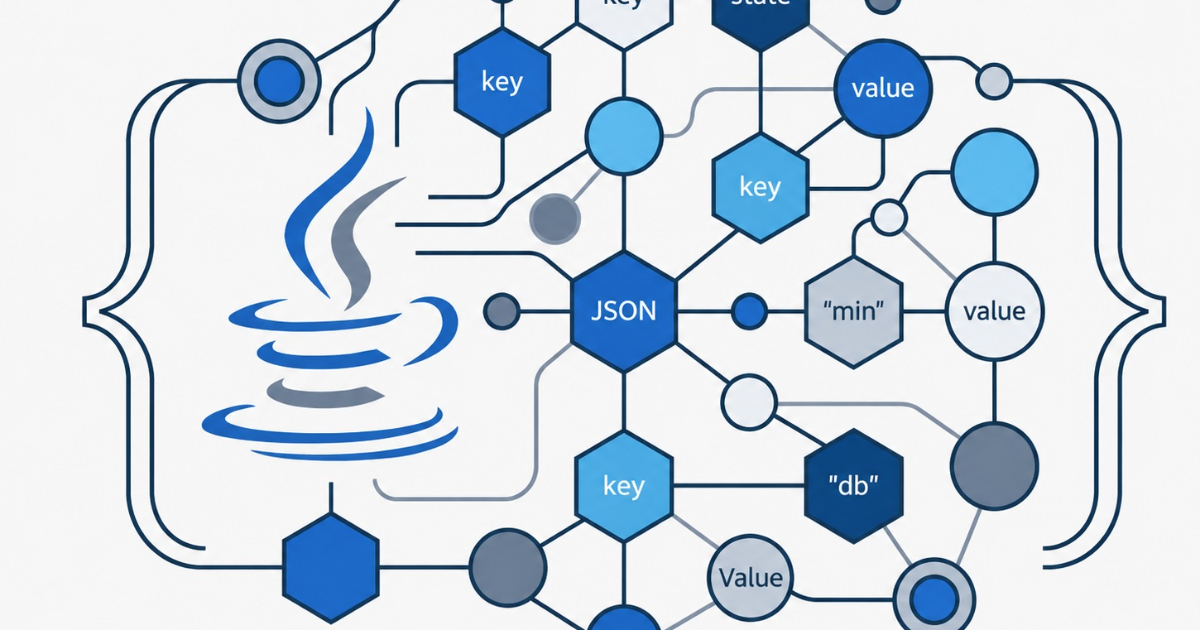
Explore how a native JSON API simplifies data handling in JDK 28.
JEP 540 has moved to Target status for JDK 28, and that's worth paying attention to. It brings a compact JSON API that handles parsing and generating documents without dragging in external dependencies. The immutable value hierarchy keeps things clean, and strict syntax rules mean fewer surprises. What stands out is the focus on core tasks, not endless features. Feedback during incubation will refine it further. For developers tired of bolting on libraries for basic JSON work, this feels like a step toward simpler workflows.

npm 12 Gives You Control Over Installation Scripts by Default
npm 12 puts security first by flipping a long-standing default: install scripts now run only with explicit approval. That's a meaningful shift, especially for teams wary of automatic code execution during builds. The registry also tightens its stance on non-registry sources, responding directly to real community concerns. It's a measured, confident update that prioritizes control over convenience. For those tracking broader data risks, our piece on AI agents sharing user images offers a timely parallel. Explore both, and decide where your trust belongs.
Trim Your JavaScript by Trusting What the Browser Already Offers
The gap between "you need a library for this" and "the browser does this" keeps closing, yet many of us still ship heavy dependencies out of habit. Baseline offers a practical path forward: audit what you already have, then test what the web platform now handles natively. It's a focused way to lighten your bundles without sacrificing functionality. If you're managing complex repos, our guide to keeping data science notebooks runnable pairs well with this mindset, helping you sustain momentum across projects.

Rspack 2.0 delivers faster builds with a leaner, modern ESM core.
Rspack 2.0 strips away the weight of legacy dependencies to focus on what modern JavaScript needs: a pure ESM core. ByteDance's team delivered measurable build-time gains, with npm downloads now clearing 5 million weekly, a sign developers feel the difference. The improved static analysis and RSC support point to a tool built for today's workflows, not yesterday's assumptions. For a deeper look at how performance-focused tooling evolves, our piece on compiling TypeScript to native code offers a useful contrast.

Explore how AWS Continuum automates security across your entire code lifecycle.
AWS Continuum enters a crowded field with a focused promise: automate the entire lifecycle of code security. The platform pairs penetration testing, code review, threat modelling, and vulnerability discovery into one integrated system. That is a practical step forward for enterprises drowning in manual triage. It is not about flashy tech; it is about closing gaps faster. For teams still wrestling with legacy workflows, this feels like a nudge toward a more proactive posture.