design patterns
Beyond Market Intelligence keeps design patterns in one place: 4 stories so far. The section currently leads with “Designing AI Agent Guardrails: Essential Patterns for Data Engineers”, “Design with precision using AI to guide your app's visual identity.”, and “Building Smarter Agents with an Intermediate Protocol Layer”. AI agents don't fail because the model isn't smart enough. Consistent design shouldn't be a happy accident. Acme AI is the next-generation, AI-powered spreadsheet platform built to replace Excel and redefine how analysts, data scientists, and enterprise teams work… The list below is every design patterns story on Beyond Market Intelligence, newest first.

Designing AI Agent Guardrails: Essential Patterns for Data Engineers
AI agents don't fail because the model isn't smart enough. They fail because the architecture around them lacks boundaries. Essential guardrails data engineers need to build systems that stay safe, predictable, and useful as AI takes on more responsibility are laid out here. It's a practical, no-nonsense guide for teams ready to move beyond experimentation. If you're designing these systems, this is the pattern to study.
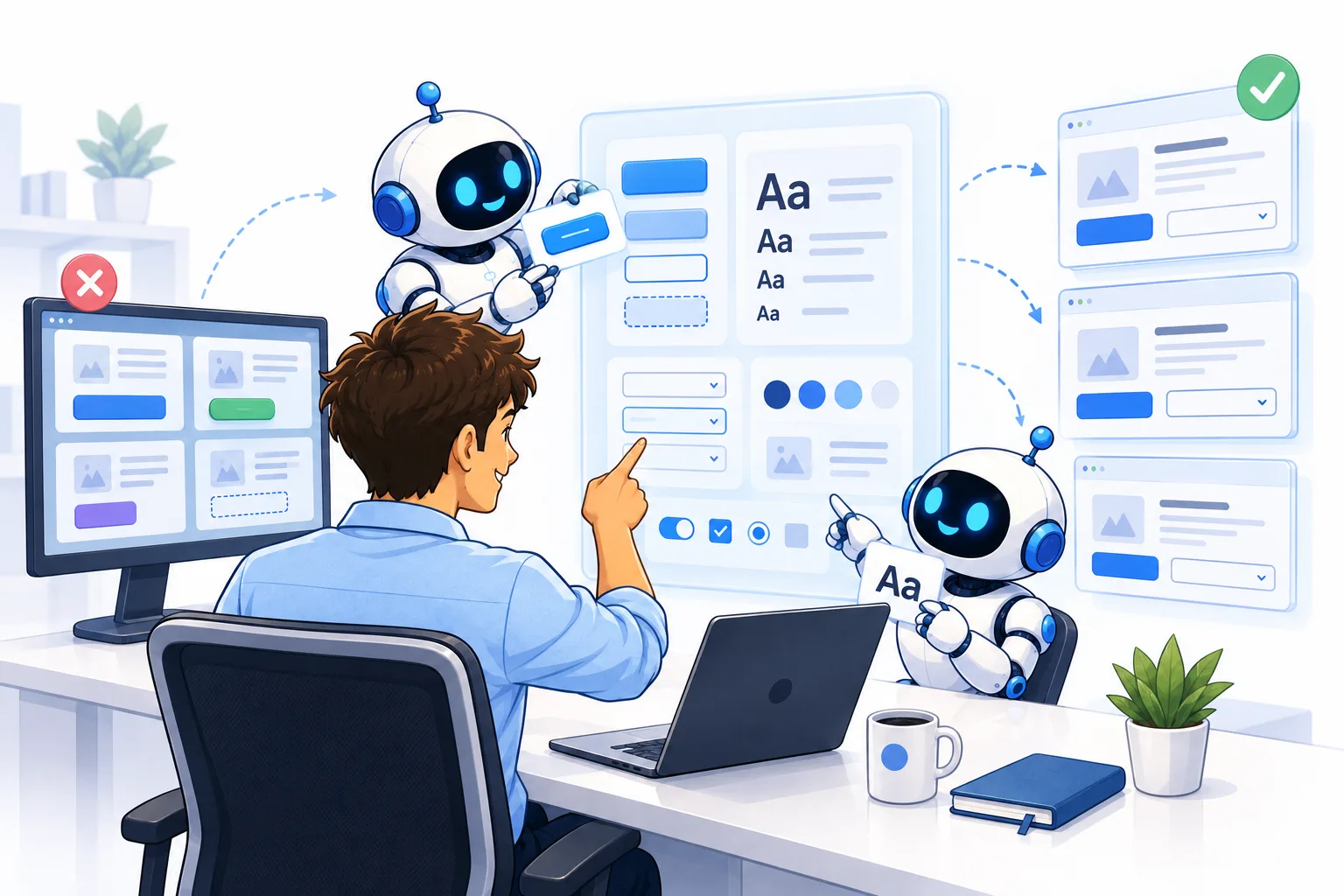
Design with precision using AI to guide your app's visual identity.
Consistent design shouldn't be a happy accident. If you're tired of patching together styles across projects, Claude Code offers a practical path to professional-looking apps without the usual friction. This guide walks through how to build design systems that actually stick, turning messy workflows into something repeatable. It's a smart, accessible approach for teams ready to move beyond manual fixes. For more on applying AI to real-world challenges, explore our piece on computer vision deployments. The takeaway? Consistency is a skill you can code.

Building Smarter Agents with an Intermediate Protocol Layer
AI agents often fail because they're built like tangled 1970s BASIC scripts, sprawling and unmanageable. Jake Mannix proposes a smarter path: an intermediate protocol layer that treats AI tools like versioned, encapsulated software components. This isn't just cleaner engineering; it's a practical defense. By enabling interface mapping and dynamic schema projection, teams gain runtime taint tracking that sniffs out data exfiltration risks before they become breaches. That's how you build velocity without sacrificing security.

Discover a cleaner approach to Python logic with the registry pattern.
If-else chains feel manageable right up until they don't. One more condition, one more branch, and suddenly your dispatch logic reads like a maze. The registry pattern offers a cleaner, more extensible path, letting you map strategies directly and sidestep tangled conditionals. It's a practical upgrade for Python developers who want their code to stay maintainable as projects grow. For more ways to refine your approach, our guide, *Unlock Python's Potential: Advanced Techniques for Smarter Coding*, pairs well with this mindset shift.