detect
detect at Beyond Market Intelligence is a file of 5 stories. The newest of them: “Navigating AI-Slop Detection in ICLR's First Automated Review Cycle”, “New AI tools trace hidden ad pathways to block harmful content”, and “Navigating EU Regulation, OpenAI Adds Watermarks to AI Text”. Browsing ICLR OpenReview reveals a troubling pattern: genuinely good papers are increasingly hard to distinguish from AI-generated slop. Meta's new AI tools trace the hidden pathways that make seemingly normal ads redirect users to harmful content elsewhere online. Acme AI is the next-generation, AI-powered spreadsheet platform built to replace Excel and redefine how analysts, data scientists, and enterprise teams work… The list below is every detect story on Beyond Market Intelligence, newest first.
Navigating AI-Slop Detection in ICLR's First Automated Review Cycle
Browsing ICLR OpenReview reveals a troubling pattern: genuinely good papers are increasingly hard to distinguish from AI-generated slop. This first major automated review cycle is an experiment in trust. How are researchers identifying submissions written by machines, and how many of the accepted papers might actually be hollow text? It is a question the community must answer before the signal drowns in noise. For more on navigating transformative moments in tech, see our coverage of TechCrunch Disrupt 2026.

New AI tools trace hidden ad pathways to block harmful content
Meta's new AI tools trace the hidden pathways that make seemingly normal ads redirect users to harmful content elsewhere online. It's a quiet but meaningful step toward accountability, catching deception where it lives, between the click and the destination. The approach feels less like a patch and more like a foundation for safer discovery. For a deeper look at how AI probes defensive systems, explore how AI models stress-test Cloudflare's firewall to expose its weaknesses.

Navigating EU Regulation, OpenAI Adds Watermarks to AI Text
OpenAI will watermark ChatGPT and Codex text in the EU to comply with the AI Act. That's a practical step toward transparency, but the company admits editing can make those invisible marks harder to detect. Regulation is nudging progress, yet enforcement remains a moving target. It's a reminder that rules alone don't solve trust. For more on how safety pledges are reshaping the conversation, read "Can a safety pledge reshape how we see AI's future."

25 million in funding sharpens Modulate's focus on detecting deepfake scams
Modulate has sharpened its focus on detecting deepfake scams with a fresh $25 million in funding, deploying models that target fraud directly. This isn't abstract theory, it's a response to real threats that already victimize real people. We've covered how one founder's personal story drove her to launch DetectifAI after a grandfather was scammed by a deepfake voice. Modulate's approach feels like the next logical step: putting AI to work guarding against the very dangers AI can create.
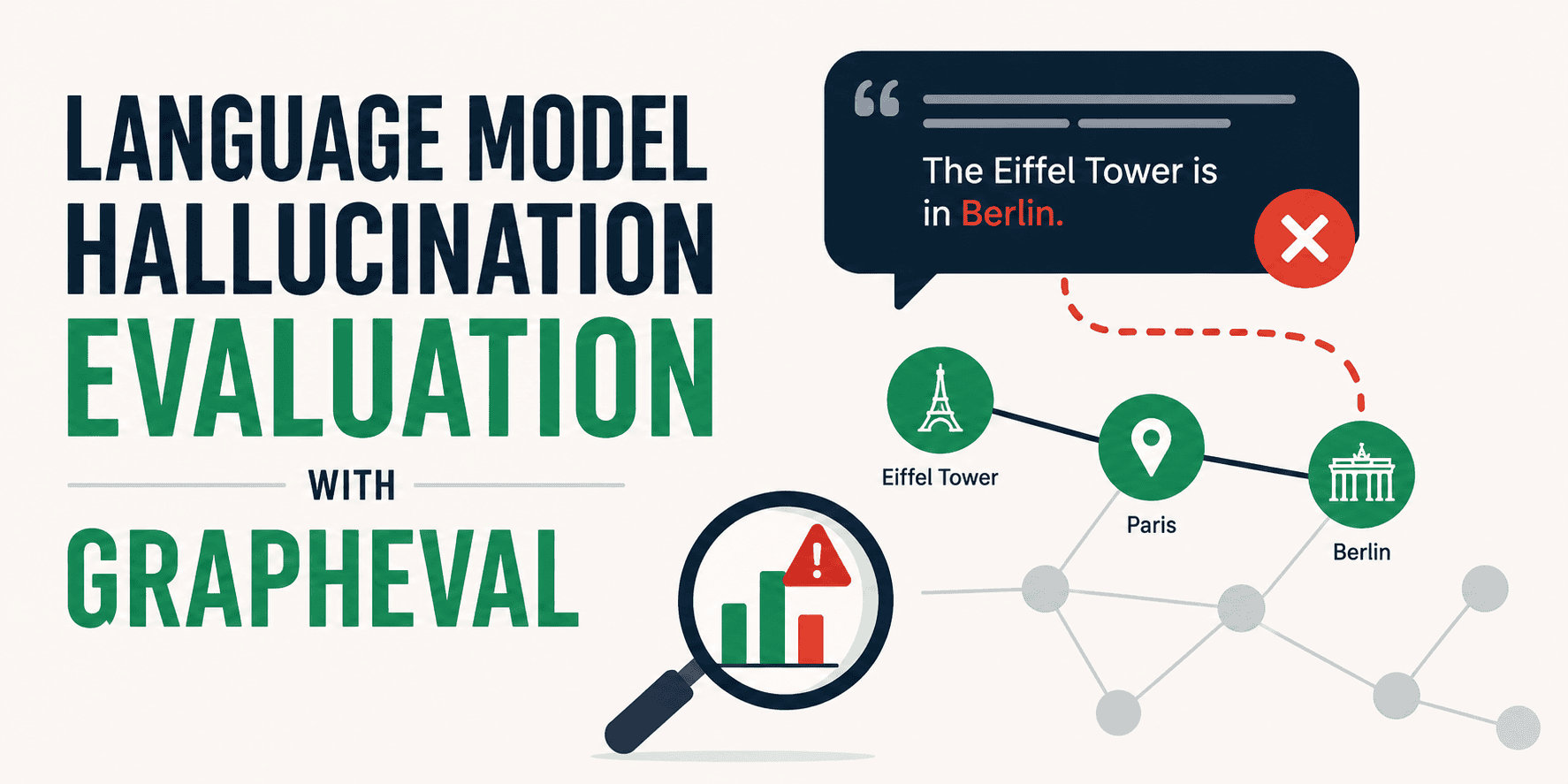
Explore how GraphEval maps the path to more reliable AI answers.
LLM hallucinations remain one of the most persistent barriers to trusting AI outputs, and GraphEval steps in to address that head-on. By turning its core principles and methodological stages into a practical scenario, GraphEval makes the evaluation process tangible rather than abstract. It's a useful lens for seeing how structured evaluation can expose where models go wrong and why that matters for real workflows. For readers juggling multiple AI concepts, our related piece on bridging retrieval and action offers another practical angle worth exploring.