digital forensics
10 stories filed under digital forensics on Beyond Market Intelligence. The newest of them: “Secure Photos Start at the Source: Apple’s New Camera Provenance System”, “Apple Reference Image brings clarity to photo authenticity”, and “Bipartisan lawmakers push to ban Indian firms accused of data theft”. Apple's new camera provenance system, Reference Image, signs pixel data at the sensor and develops it in Apple's Private Cloud Compute. Apple just gave iPhone photographers a straightforward answer to a growing question: how do you prove a photo is real? Acme AI is the next-generation, AI-powered spreadsheet platform built to replace Excel and redefine how analysts, data scientists, and enterprise teams work… The list below is every digital forensics story on Beyond Market Intelligence, newest first.

Secure Photos Start at the Source: Apple’s New Camera Provenance System
Apple's new camera provenance system, Reference Image, signs pixel data at the sensor and develops it in Apple's Private Cloud Compute. That's a bold step toward verifiable photo authenticity, yet developers are already questioning its limits. Photographing a screen still fools the process, and anonymity hinges on trusting Apple's cloud. The skepticism is fair. Identity verification may not be the strongest use case here. Still, the design signals a deliberate move worth watching.

Apple Reference Image brings clarity to photo authenticity
Apple just gave iPhone photographers a straightforward answer to a growing question: how do you prove a photo is real? Apple Reference Image is designed to help users determine whether an image has been edited, including AI-driven alterations. That is a practical step toward clarity in an era where trust in visuals feels increasingly fragile. We appreciate the focus on verification over hype, and it is a natural companion to our earlier coverage on real-world computer vision challenges.

Bipartisan lawmakers push to ban Indian firms accused of data theft
A bipartisan group of lawmakers is pressing the U.S. government to ban three Indian firms accused of running hack-for-hire operations that stole information to sway litigation. It's a direct challenge to a shadowy corner of the digital economy. When data becomes a weapon in legal fights, accountability can't lag behind. This move signals that hired digital espionage won't go ignored. For more on how data breaches ripple outward, our piece on AI agents sharing user images offers a timely parallel.

Cyberattacks on Tech Firms Linked to Australian Arrests
The arrests tied to those cyberattacks on tech firms signal a meaningful shift in how these threats are being met. Earlier this year, companies relying on widely used open source software found themselves in the crosshairs, and now there's a clear legal response. It's a reminder that actions have consequences, and accountability is finally catching up. For anyone navigating this space, it's worth watching how these cases unfold.

FBI dismantles Chinese botnet linked to federal breaches
The FBI's seizure of domains tied to a Chinese botnet marks a decisive strike against hackers who breached NASA, the Justice Department, and the Senate. It's a reminder that even the most fortified institutions remain targets, yet this action shows how proactive defense can disrupt malicious infrastructure. For anyone tracking data security, this story pairs well with our coverage of AI agents sharing user images, highlighting how vulnerabilities persist across evolving technologies.

Senator Requests Federal Review of Agency Hacking Tools and Spyware
Senator Ron Wyden isn't waiting for assurances. He's asking the U.S. federal watchdog to scrutinize how the FBI, DEA, ICE's HSI, and the Secret Service deploy hacking tools and spyware against Americans. That's a fair question, and one that deserves a thorough answer. When agencies hold such intrusive power, oversight isn't optional, it's essential. For more on how digital threats are reshaping security, our piece on the Bitget crypto theft offers a related look at the stakes.
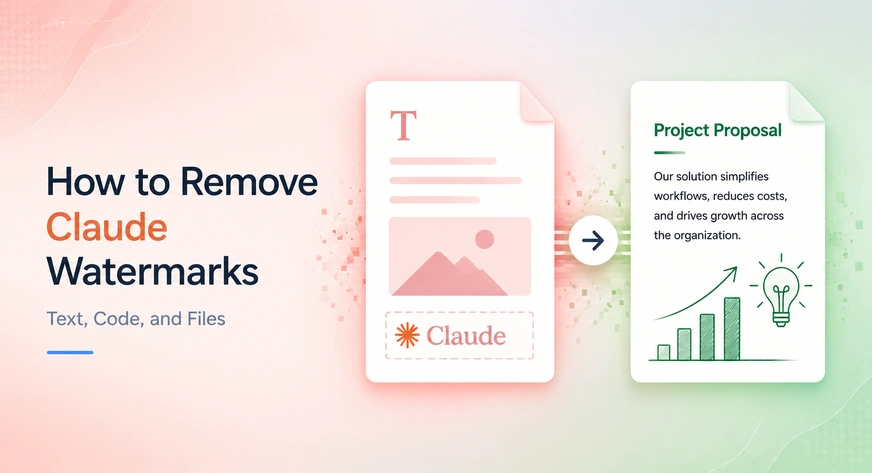
Understand Claude's Watermarks to Better Manage Your AI Output
Claude's watermarks are not one-size-fits-all. Text carries embedded markers, while supported files rely on signed C2PA metadata. Code, however, sits in a curious middle ground; its structure gives the watermark fewer places to hide. That nuance matters if you are trying to strip these traces cleanly. I appreciate that this guide digs into the practical differences rather than treating AI content as a monolith. For more on how AI systems shape what we see, our piece on agents learning by editing context pairs well here.

How AI watermarking works and what it means for your code
Anthropic has finally pulled back the curtain on how Claude's watermarking will actually function, and the details matter. The system isn't just a simple tag; it's a subtle layer woven into the model's output, designed to survive edits and alterations. For code, the implications are particularly interesting, since even reformatted or translated snippets should retain their marker. This transparency is a welcome step. It feels less like a gimmick and more like a practical tool for accountability.
Why hacking groups get codenames and how naming shapes cybersecurity
Google just changed how it names hacking groups, and that decision says more about the threat landscape than you might expect. The shift isn't cosmetic. It reflects how tracking these actors has matured, moving from flashy monikers to clearer, more consistent labels. As one of the world's foremost experts on hunting hackers, the person behind Google's approach knows that names carry weight. They shape how researchers communicate and how the public perceives risk. It's a practical move, not a marketing one.

Justice unseals charges against Russian web hosts enabling $62M in cybercrime
The unsealed indictment names three Russians and two web hosts who allegedly built a safe harbor for hackers, profiting to the tune of $62 million in victim losses. That is not a rounding error; it is a statement. This case underscores how critical infrastructure for cybercrime operates in plain sight, and the charges are a necessary step toward accountability. For a deeper look at how data breaches ripple outward, our piece on AI agents sharing user images offers a timely parallel.