distributions
Beyond Market Intelligence keeps distributions in one place: 3 stories so far. The section currently leads with “Explore how one founder's pledge to share equity could reshape access to innovation”, “Stop Misreading Your Data How Confidence Intervals Shape Decisions”, and “CERN Chooses Debian for Accelerator Controls Over Red Hat's Restrictive Mandates”. Elon Musk just pledged to share equity from his companies, a move that arrived hours after Anthropic promised 5% of its shares to a public benefit fund. Most of us assume that a 95% confidence interval means there's a 95% chance the true value lies within it. Acme AI is the next-generation, AI-powered spreadsheet platform built to replace Excel and redefine how analysts, data scientists, and enterprise teams work… The list below is every distributions story on Beyond Market Intelligence, newest first.

Explore how one founder's pledge to share equity could reshape access to innovation
Elon Musk just pledged to share equity from his companies, a move that arrived hours after Anthropic promised 5% of its shares to a public benefit fund. When founders put ownership on the table, access to innovation shifts. It is a direct challenge to the old model where founders hoard control. For deeper context on similar commitments, see our coverage of Anthropic dedicating 5% of shares to advance public benefit initiatives.

Stop Misreading Your Data How Confidence Intervals Shape Decisions
Most of us assume that a 95% confidence interval means there's a 95% chance the true value lies within it. That's the illusion. This piece unpacks that confusion, clarifying how frequentist intervals and Bayesian credible intervals answer fundamentally different questions. It's a sharp, practical warning: misuse these tools, and you'll distort product decisions. For those eager to keep sharpening analytical instincts, the discussion pairs well with insights from our piece on adaptive systems, where similar precision matters in recommendation design.
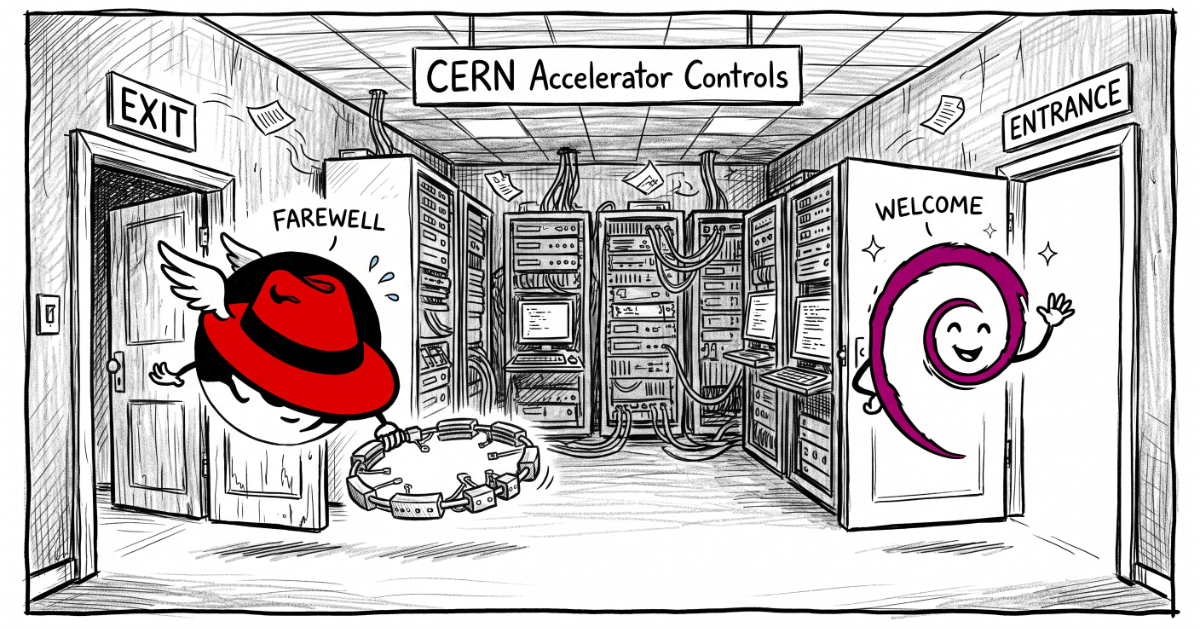
CERN Chooses Debian for Accelerator Controls Over Red Hat's Restrictive Mandates
CERN's engineers aren't clinging to legacy for nostalgia; they're making a calculated stand. By moving 2,200 specialized control machines from Red Hat to Debian, they're prioritizing hardware longevity over vendor mandates. Red Hat's tightening compiler rules forced the issue, and CERN responded with a pragmatic pivot. It's a quiet but telling vote for flexibility, and the late 2026 deadline shows careful planning. For more on how infrastructure decisions ripple outward, our piece on bridging retrieval and action in AI tasks offers a fitting parallel.