energy storage
energy storage at Beyond Market Intelligence is a file of 9 stories. The newest of them: “Ambrosia Energy's new Texas factory will power off-grid data centers around the clock”, “Fuel cells offer data centers a more efficient path to power”, and “Magna deepens its commitment to India's battery-swapping future”. Ambrosia Energy is building a massive Texas factory to produce batteries that pair with solar panels, creating a clean power plant that runs around the clock. Data centers are hungry for power, and fuel cells might be the most efficient way to feed them. Acme AI is the next-generation, AI-powered spreadsheet platform built to replace Excel and redefine how analysts, data scientists, and enterprise teams work… The list below is every energy storage story on Beyond Market Intelligence, newest first.

Ambrosia Energy's new Texas factory will power off-grid data centers around the clock
Ambrosia Energy is building a massive Texas factory to produce batteries that pair with solar panels, creating a clean power plant that runs around the clock. The goal is straightforward: keep off-grid data centers powered day and night, no fossil fuels required. It's a practical answer to a real constraint, and one more sign that clean energy infrastructure is moving from theoretical to industrial scale. For a deeper look at how innovation is reshaping entire supply chains, see our piece on Licube's lithium ambitions.

Fuel cells offer data centers a more efficient path to power
Data centers are hungry for power, and fuel cells might be the most efficient way to feed them. This startup claims its technology delivers exceptional efficiency while cutting fuel costs, a compelling pitch when every megawatt counts. The timing is sharp, too, given that batteries now outprice gas turbines for backup power. Efficiency isn't just a perk here; it's the path forward for an industry scrambling to scale without burning through budgets.

Magna deepens its commitment to India's battery-swapping future
Magna is doubling down on India's battery-swapping market, adding $35 million to Yuma Energy and pushing its total investment to $87 million. That's a decisive bet on a model that could untangle the country's electric two-wheeler logjam, where charging time often outweighs ride time. We see the logic: swapping is practical, and Magna is moving with conviction. For context on how capital is flowing into bold infrastructure plays, our piece on Nscale's $3.36B raise offers a useful parallel. This isn't hype; it's a calculated move.

How home batteries became accessible and why that matters for you
Home batteries are suddenly cheap and everywhere, and that shift is worth pausing over. Companies like Tesla and Base Power are racing to claim their share of a market that's growing faster than most of us expected. One technology made it possible, and it's quietly changing what home energy can look like. This isn't hype; it's momentum. For anyone who's watched power costs climb or felt the limits of a grid, this is a story about real options emerging.

Form Energy secures funding to scale long-duration battery manufacturing for grid storage
Form Energy just closed a $750 million raise to scale production of its 100-hour batteries, a bold bet on long-duration storage that could finally shift the grid beyond intermittent limits. With Google and Crusoe already on board, this funding signals real commercial momentum, not just hype. It's a practical step toward a more resilient energy system. For more on how Crusoe's priorities are evolving, their pause on Boom's turbines offers useful context. This is the kind of infrastructure progress worth watching closely.
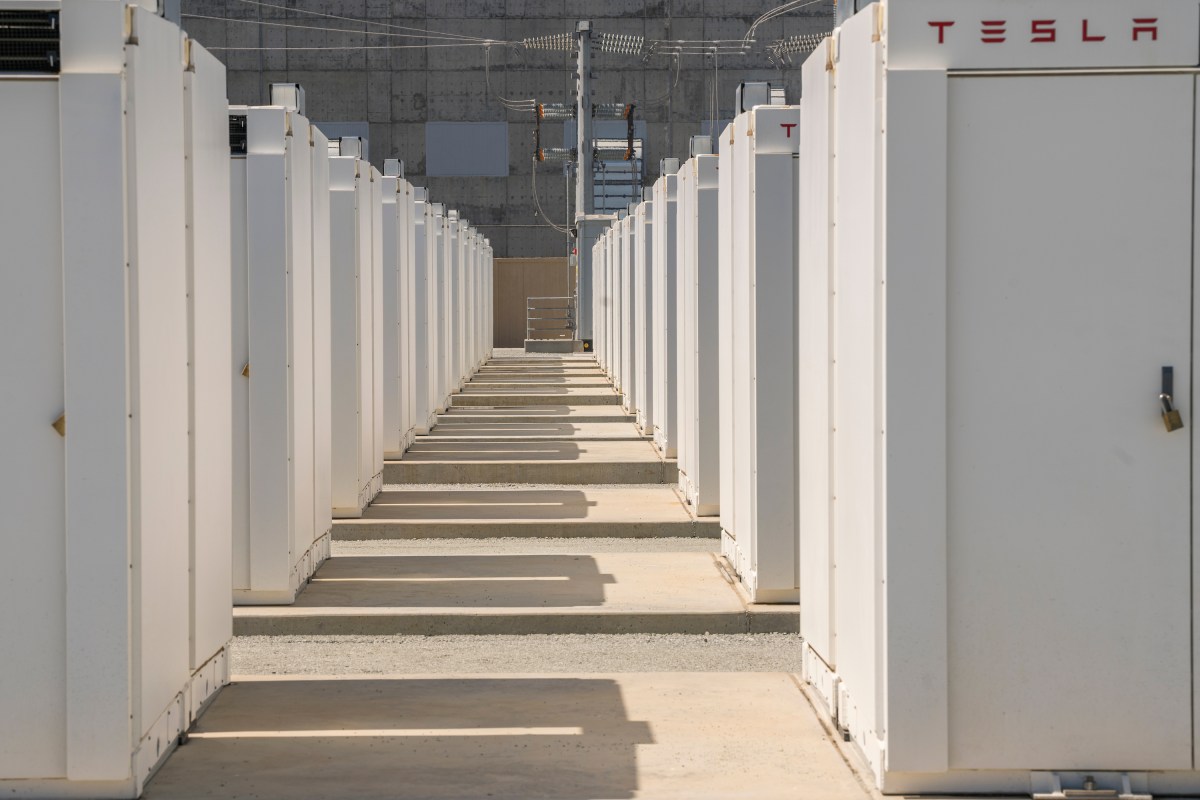
How Tesla Megapacks power SpaceX's expanding energy needs
SpaceX has poured $329 million into Tesla Megapacks so far this year, and that number says more than any press release could. It shows how naturally Elon Musk's companies feed each other, not as a gimmick, but as a practical engine for progress. When one arm needs serious storage, another steps up with the hardware. That kind of interdependence is worth watching, especially as Tesla Semi Production Ramps Up elsewhere. Explore how these threads weave together; the connections are where the real momentum lives.

Tesla's revenue climbs but costs surge as new product timelines stretch
Tesla's revenue climbed 26%, but that momentum is being swallowed by surging costs as the company pours capital into Cybercab, Semi, and Megapack production. The challenge is clear: scaling next-generation products demands serious spending, and timelines are slipping. It's a familiar tension for a company moving fast, yet the market will want clarity on when these bets pay off. For deeper context on how AI-native infrastructure investments are reshaping industries, our piece on Nscale's recent funding offers a useful parallel.

Sila secures $300M to scale battery materials for over 100,000 EVs
Sila's fresh $300 million round is a clear signal that the EV market's momentum isn't fading. The funding will let the company scale its silicon-carbon anode material production, enough to power over 100,000 electric vehicles. That's not just a win for Sila; it's a step toward making batteries more efficient and accessible. While others hesitate, Sila is doubling down on the fundamentals. For more on how AI-native companies are attracting serious capital, check out our piece on the $5.75B investment surge.

Two Data Giants, Two Very Different Energy Strategies
Mere miles separate two very different visions of AI's energy future. Google's largest solar and battery project, located just 40 miles north of xAI's unpermitted gas plant, highlights a stark contrast in approach. One invests in clean, grid-ready power; the other leans on fossil fuels with questionable legal footing. It is a telling juxtaposition for an industry racing to scale. For those tracking how infrastructure decisions play out, this proximity makes the choice between sustainable and shortsighted paths feel immediate.