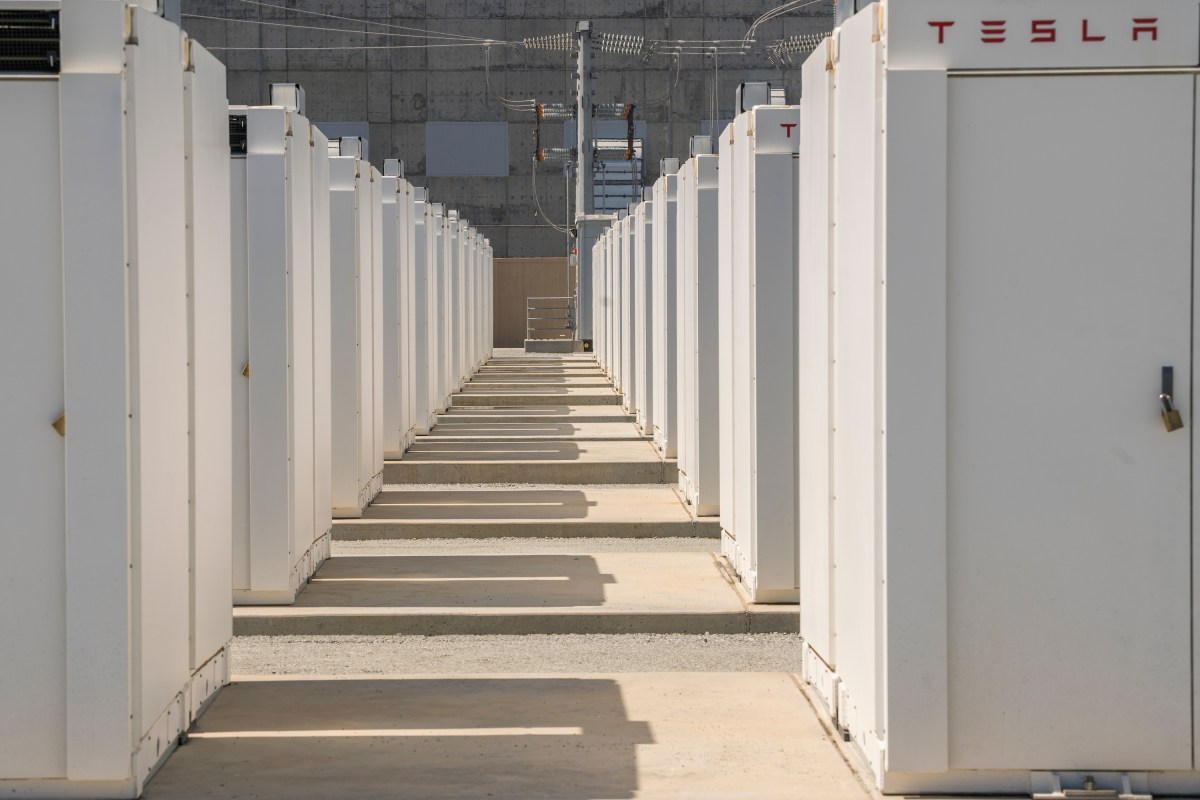
The $329 million in Tesla Megapacks that SpaceX has purchased this year is not a headline about batteries. It is a headline about how the modern tech economy actually works. When the busiest rocket company on Earth buys energy storage from the car company led by the same person, you are watching a feedback loop that most businesses can only dream of. This is not a scandal and it is not a conspiracy. It is a practical illustration of how Elon Musk's companies share more than a CEO. They share capital, engineering talent, and a willingness to buy from each other before they buy from anyone else.
For our readers, the takeaway is not that you need to start a rocket company to benefit from this dynamic. The takeaway is that the boundaries between industries are dissolving faster than most legacy strategies can track. Consider how Tesla Semi Production Ramps Up, Delivering Long-Range Electric Trucking signals a similar pattern: Tesla is not waiting for trucking companies to ask for electric rigs. They are building the product, scaling the production, and letting the market catch up. The Megapack purchases follow the same logic. SpaceX needs massive amounts of stored energy for its launch and manufacturing operations. Tesla makes massive batteries. The fact that both companies answer to the same vision makes the transaction smoother, but the underlying principle is universal: when you control the supply chain, you control the pace of innovation.
This is also where the broader ecosystem comes into play. We watched Meta reverses course on ads for Musk documentary unfold, and regardless of how you feel about the documentary itself, that story reinforced something important: attention on Musk's web of companies is not just about consumer products. It is about leverage. When a platform like Meta decides what to do with ads about Musk, it is making a calculation about the power of his network. The Megapack deal is the same calculation, but on the hardware side. It is not about whether the batteries are good, though they are. It is about whether the sum of these interlocking parts is greater than the individual companies. We think it is.
Here is what we would tell a reader who asks us what this means for them. Watch the follow-on effects. If SpaceX can reliably source Tesla's storage, other industrial players will start asking why they cannot do the same. That is not a hypothetical. That is the natural next question. And when arXiv’s Future Secured with $17.2M in Philanthropic Support shows how a different kind of organization, one built on openness rather than ownership, can secure its future, you see the contrast. SpaceX and Tesla are building a closed loop. arXiv is building an open one. Both are sustainable. But they serve different purposes, and the choice between them is not about technology. It is about what kind of infrastructure you want to rely on.
The concrete point to watch is simple. The next time you hear about a large corporate purchase between two companies that share a founder, do not ask whether it makes sense on paper. Ask what it enables next. The Megapack deal is not the end of a transaction. It is the beginning of a capability. And in a world where energy is the new currency, that capability is worth more than the $329 million price tag.