error detection
error detection at Beyond Market Intelligence is a file of 6 stories. The newest of them: “The Four Data Flaws That Slip Past Every Validation Check”, “Testing a Browser Agent's Blind Spots Reveals a Deeper Fix”, and “Agentic AI Demands Smarter Governance to Tame Silent Failures”. Every validation check you run, null checks, duplicate checks, schema tests, has a blind spot. A simple page check missed half of the wrong clicks and raised a false alarm on every click that worked inside an embedded page. Acme AI is the next-generation, AI-powered spreadsheet platform built to replace Excel and redefine how analysts, data scientists, and enterprise teams work… The list below is every error detection story on Beyond Market Intelligence, newest first.
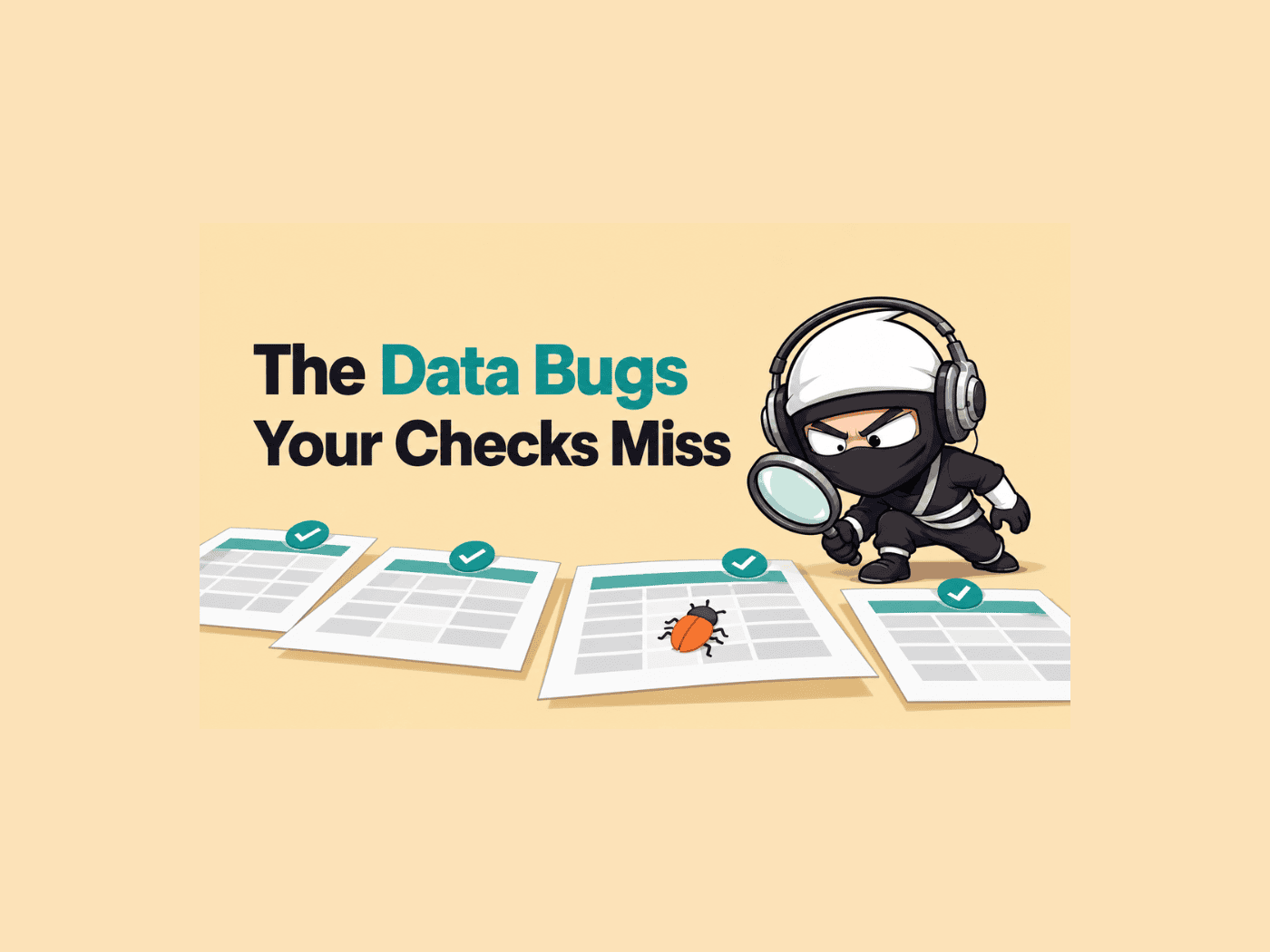
The Four Data Flaws That Slip Past Every Validation Check
Every validation check you run, null checks, duplicate checks, schema tests, has a blind spot. We found four data flaws that slip past them all. These aren't edge cases from a textbook; they're real bugs that corrupt results while your dashboard shows green. Understanding where these gaps hide is the first step to closing them. For a deeper look at how blind spots persist in data tools, see our related piece on testing a browser agent's hidden flaws.
Testing a Browser Agent's Blind Spots Reveals a Deeper Fix
A simple page check missed half of the wrong clicks and raised a false alarm on every click that worked inside an embedded page. That gap reveals the real problem: spotting a browser agent's failure is not the same as fixing it. We need deeper diagnostics, not just surface-level validation. For more on how AI's confidence can mask real performance drops, explore our coverage of developers feeling 20% faster while being 19% slower.
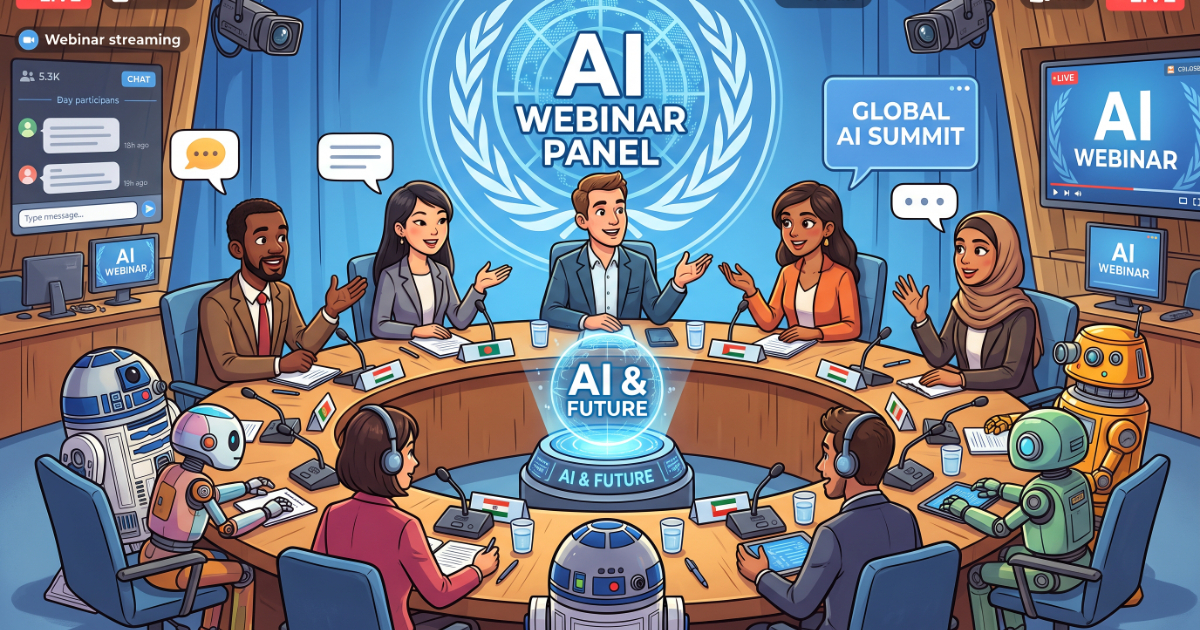
Agentic AI Demands Smarter Governance to Tame Silent Failures
Agentic AI systems don't fail loudly, they drift silently. A recent InfoQ webinar highlighted how semantic and embedding drift can quietly produce costly errors. The solution demands smarter governance, not just better models. Automated code reviews, continuous model evaluation, and stronger privacy measures were called essential. This is a strategic challenge, not a technical patch. For a deeper look at keeping AI systems adaptable over time, see our related piece, "Design for Change: Keep Software Evolvable as Teams and Technology Shift."
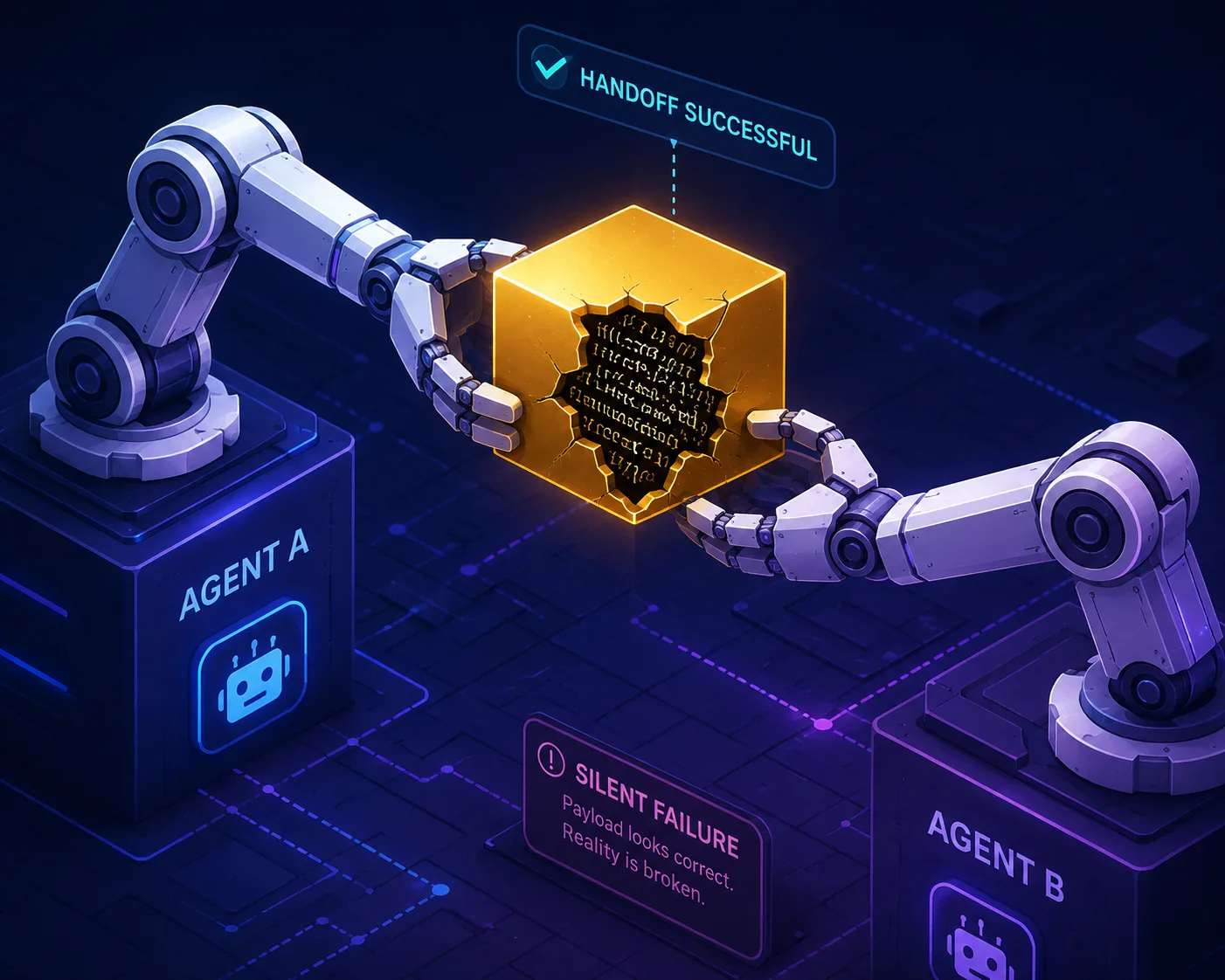
When Data Looks Right but Isn't: Using Watchdogs to Catch Agent Failures
A passing evaluation score can hide a payload that is confidently wrong. That is the failure mode plaguing too many multi-agent systems: they look correct, yet deliver subtly corrupted output. The fix is a watchdog pattern that catches these silent errors before they propagate. This shows you how, with working Python, to build that safety net. It is a practical, necessary read for anyone serious about reliable AI workflows.

When AI Hesitates, Watermarks and Safety Checks Step In
Watermarks don't appear when a model is certain. They surface at the moment of doubt, which is exactly where AI mistakes hide. That overlap is worth pausing on. The same hesitation that trips a safety check can also trigger a visible marker, and understanding that connection helps us see where trust truly breaks down. It's a thoughtful look at a subtle mechanism, one that invites a deeper exploration of how models signal their own limits.

Why Every Hallucination Detector Misses a Simple Number
A single number tripped up every major hallucination detector, and the reason is hiding in plain sight: ten is not a hundred. That gap between what a model claims and what a human knows is the story here, and it's a sharp reminder that these tools still see patterns, not meaning. We're impressed by the caution this work demands, and it pairs well with the skepticism in *Talking to My AI Clone Taught Me to Question the Tech*.