feature selection
4 stories filed under feature selection on Beyond Market Intelligence. The newest of them: “Explore how distance shapes radar classification and what it means for your models”, “Simplify Complex Real Estate Data with Linear Discriminant Analysis”, and “Automated feature engineering evolves with genetic algorithms and open-source simplicity.”. A model that scores higher every time range is added should raise an eyebrow, even when validation looks clean. A real-estate dataset rarely gives you the luxury of clean, low-dimensional features. Acme AI is the next-generation, AI-powered spreadsheet platform built to replace Excel and redefine how analysts, data scientists, and enterprise teams work… The list below is every feature selection story on Beyond Market Intelligence, newest first.
Explore how distance shapes radar classification and what it means for your models
A model that scores higher every time range is added should raise an eyebrow, even when validation looks clean. The concern here is legitimate: radar returns fewer points from distant objects, so the model may be latching onto distance as a proxy for size or class. Stress testing means breaking the data so range distributions differ between training and validation sets. That reveals whether the model generalizes or memorizes the environment. Dropping the feature entirely is also worth exploring if the performance gap remains acceptable.
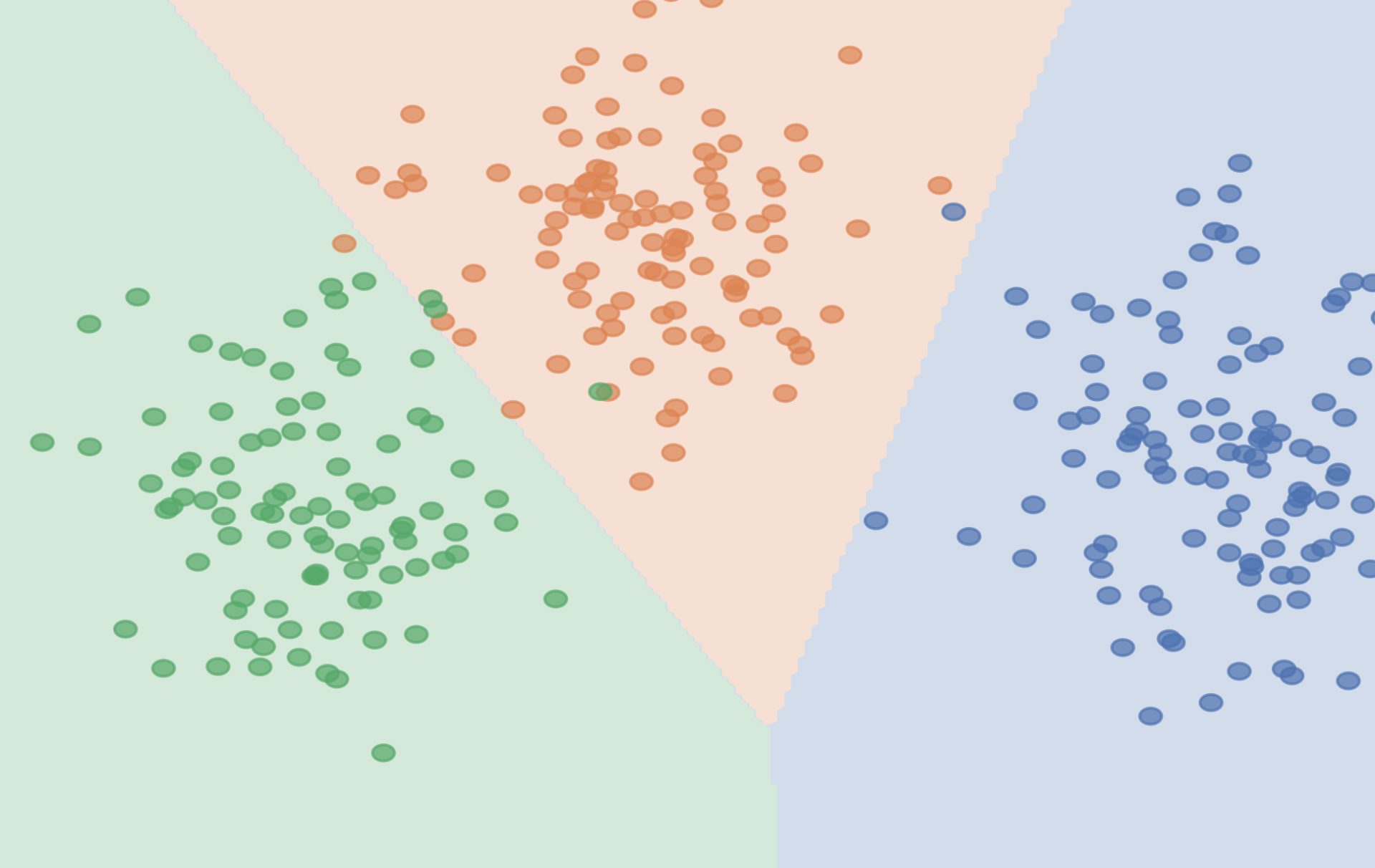
Simplify Complex Real Estate Data with Linear Discriminant Analysis
A real-estate dataset rarely gives you the luxury of clean, low-dimensional features. When classification tasks start drowning in noise, Linear Discriminant Analysis steps in to cut through the clutter. Applying LDA for dimensionality reduction sharpens class separation rather than just shrinking data. It's a practical reminder that reducing dimensions is about preserving what matters most for prediction. For those ready to push further into advanced modeling, our guide on distributed training offers a natural next step.
Automated feature engineering evolves with genetic algorithms and open-source simplicity.
Feature engineering remains the quiet battleground where tabular ML models are won or lost. py-evoFE (v0.3.0) takes a different path: genetic algorithms that evolve compact, high-impact feature recipes instead of brute-forcing thousands of noisy combinations. Its hierarchical chaining, Polars-powered vectorization, and multi-fidelity screening are thoughtful engineering. For anyone tired of manual transformations or explosive feature spaces, this library invites exploration. It is practical, open-source, and built for the workflows teams actually use. That is worth a closer look.
Discover how information theory reveals hidden data structure beyond linear limits.
Standard principal component analysis doesn't just lose accuracy on tangled, non-linear data, it fabricates thousands of phantom dimensions. This work confronts that collapse directly, offering a non-parametric diagnostic that reads pure probability mass instead of spatial distance. The stress test is telling: where PCA inflated 20 true roots into 5,700 false ones, the Entropic Scree lands exactly on 20. That is not a tweak; it is a reframing of how we map intrinsic structure.