federal judge
federal judge at Beyond Market Intelligence is a file of 6 stories. The newest of them: “Judge rules OpenAI must share hiring records in Apple trade secrets dispute”, “Court rules warrantless Flock plate searches breach Fourth Amendment rights”, and “Trademark ruling leaves X rival rebranding as Tweet.app”. A federal judge has ordered OpenAI to hand over hiring records and internal messages tied to former Apple employees, escalating a trade secrets dispute that now puts both companies' talent practices under scrutiny. Acme AI is the next-generation, AI-powered spreadsheet platform built to replace Excel and redefine how analysts, data scientists, and enterprise teams work… The list below is every federal judge story on Beyond Market Intelligence, newest first.

Judge rules OpenAI must share hiring records in Apple trade secrets dispute
A federal judge has ordered OpenAI to hand over hiring records and internal messages tied to former Apple employees, escalating a trade secrets dispute that now puts both companies' talent practices under scrutiny. This ruling suggests the court sees legitimate risk in how competitive intelligence flows between tech giants. For anyone following the intersection of AI development and corporate secrecy, the related coverage of the FBI arresting an OpenAI employee in a recording probe adds an uncomfortable layer to this story.

Court rules warrantless Flock plate searches breach Fourth Amendment rights
A federal judge just made clear that automated license plate readers like Flock aren't above the Fourth Amendment. When a sheriff's deputy ran a woman's plate without a warrant, that search crossed a constitutional line. It's a meaningful ruling for anyone who's wondered how much surveillance feels routine. If Congress wants to build on this, the Senate bill to end federal use of automatic plate readers offers a natural next step worth watching.
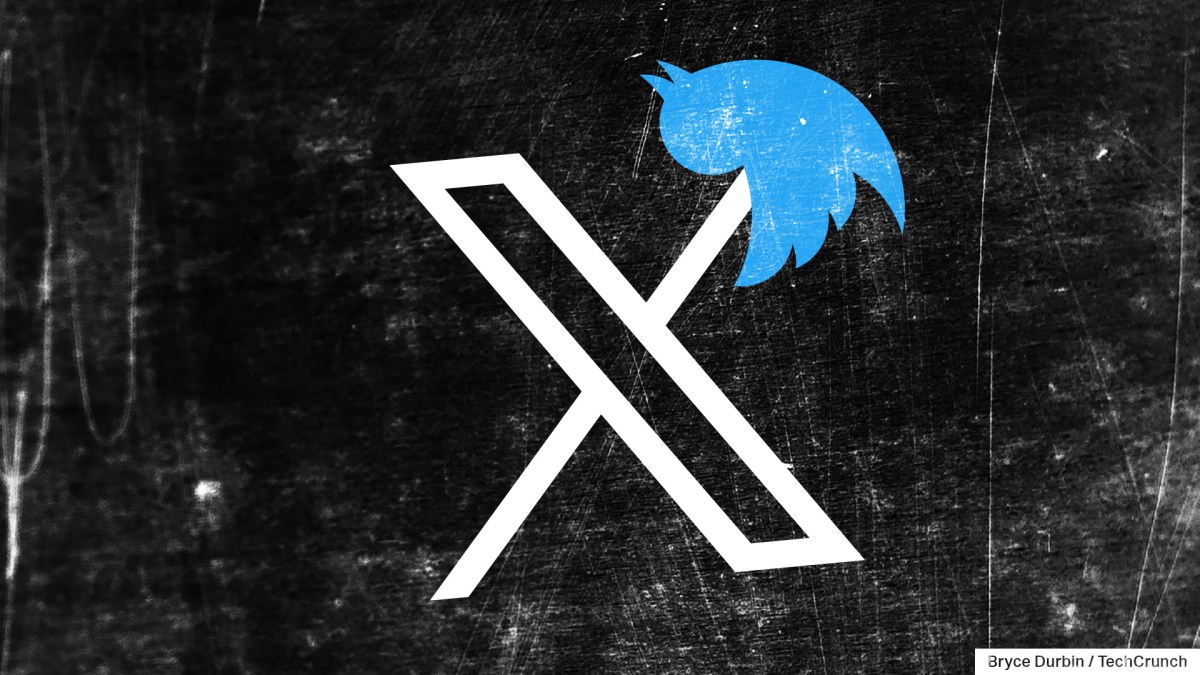
Trademark ruling leaves X rival rebranding as Tweet.app
A federal judge just made a clear call: an X rival can't use the Twitter name, but the word "Tweet" and that bird logo are fair game. That's a sharp reminder that trademarks aren't forever if a company stops using them. It's a practical win for the startup, now rebranded as Tweet.app, and a lesson in how quickly digital identity shifts. For more on how tech companies are repositioning around infrastructure bets, check out our piece on Anthropic's cloud exploration.

Federal judge sides with Anthropic in Pentagon labeling dispute
A federal judge has ruled that the Trump administration illegally labeled Anthropic a supply-chain risk, and that's a meaningful win for accountability. It's not just about one company's reputation; it's about whether such designations can be applied without proper process. The ruling lands as Anthropic's second Pentagon lawsuit continues in Washington, so the fight isn't over. For anyone tracking how AI oversight is taking shape, this is a reminder that legal checks still matter.

Apple seeks court approval for up to 15% fee on external app purchases
Apple is asking a federal judge to let it charge commissions of up to 15% on purchases made through external links in iOS apps, a move that reframes its App Store economics. It's a calculated step, not a surrender, and it signals how the company plans to adapt its rules under legal pressure. For developers watching the numbers shift, this feels like a moment to study the fine print.

Judge questions lack of proof for Anthropic supply-chain risk claim
A federal judge has made it clear: the Trump administration still hasn't backed up its "supply-chain risk" label for Anthropic with hard evidence. That's a meaningful rebuke, and it raises real questions about how quickly the government moves to restrict AI tools. We should demand rigor before bans, not after. It's a reminder that oversight needs to keep pace with innovation. For more on how we question AI's role in practice, you might explore "Talking to My AI Clone Taught Me to Question the Tech."