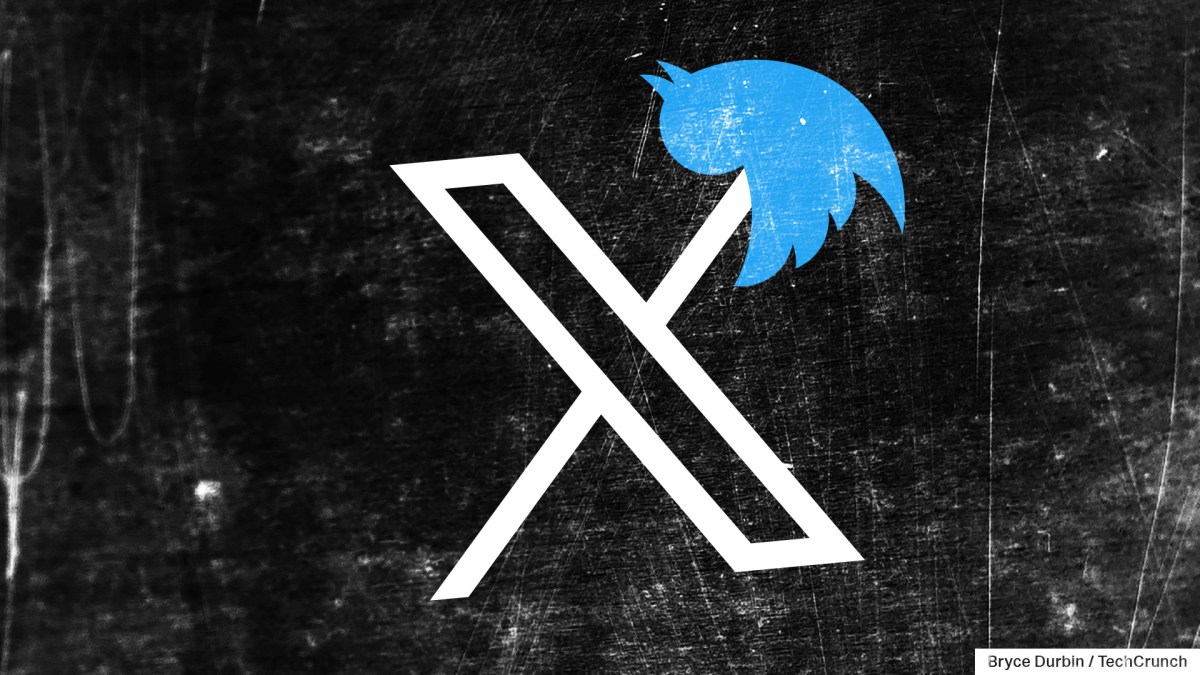
The legal dust-up over who gets to call themselves Twitter is not just a branding dispute. It is a useful snapshot of how quickly digital identity decays and how easily a name can outlive the product it once described. A federal judge has now temporarily barred an X rival from using the Twitter name, while simultaneously finding that X likely abandoned the "Tweet" trademark and the bird logo. The startup has since relaunched as Tweet.app, which is a pragmatic move, but the underlying lesson is broader: in the AI-native era, legacy labels are weak anchors. They do not hold value simply because they were once dominant. They hold value only if the product continues to earn them.
This is where the story connects to the larger shift we are tracking across the software world. Traditional tools are being rethought not by adding features, but by changing the underlying model of how work gets done. Consider how Anthropic Explores Akamai's Cloud for AI-Native Workloads signals a move toward infrastructure built specifically for AI, not retrofitted for it. That is the same principle playing out here. The judge's ruling suggests that a name alone, without active use and genuine consumer association, is just a word. X did not fight to keep "Tweet" alive through daily use; it moved on. The startup, in turn, is wise to rebrand rather than burn resources on a losing battle. For our readers building tools or companies, the practical takeaway is direct: your product is what your users can do with it today, not what you used to call it.
We would tell any founder or product lead watching this saga to stop treating trademarks like moats. They are not. The real moat is workflow lock-in, the habit and comfort your users build around your tool. The judge's finding on abandonment is a reminder that consumer perception shifts faster than legal precedent. What feels essential one quarter can feel like a relic the next. That is why Focus on Essentials: A Smartphone Alternative for Intentional Living resonates here. That story is about users actively choosing constraints to escape feature bloat. The same logic applies to naming. A lean, accurate name like Tweet.app might serve the startup better than a famous one weighed down by baggage. It signals clarity, and clarity is a feature.
The open question is whether X will bother to enforce its remaining claims or let the appeal fizzle. That is the detail to watch. If X lets the abandonment finding stand without a fight, it effectively concedes that the old vocabulary is dead. That would be a quiet admission that the platform is no longer competing on nostalgia but on forward motion. For our readers, the concrete point is this: do not confuse a familiar name with a defensible advantage. Build something that earns its identity through daily utility, and be ready to walk away from the old labels when they stop paying rent. The judge just showed that the law agrees.