files
Beyond Market Intelligence keeps files in one place: 5 stories so far. The section currently leads with “Your Data, Your Rules: Lumo Desktop Puts Privacy Back in AI Automation”, “Automate Individual Timesheet PDFs for 60+ Employees from One Template”, and “Apple tightens macOS data access as AI agents reshape security risks”. Proton's Lumo Desktop app gives you granular control over what its AI can access across your files and connected apps. Managing timesheets for 60+ employees shouldn't mean 60+ manual PDF exports. Acme AI is the next-generation, AI-powered spreadsheet platform built to replace Excel and redefine how analysts, data scientists, and enterprise teams work… The list below is every files story on Beyond Market Intelligence, newest first.

Your Data, Your Rules: Lumo Desktop Puts Privacy Back in AI Automation
Proton's Lumo Desktop app gives you granular control over what its AI can access across your files and connected apps. It runs locally on Windows, Mac, and Linux, putting privacy back in automation. This is the right approach: your data, your rules. If you're feeling constrained by tools that treat your information as a resource to mine, Lumo offers a more thoughtful path forward. For more on keeping AI agents accountable, see our coverage of the California Attorney General's recent court action.
Automate Individual Timesheet PDFs for 60+ Employees from One Template
Managing timesheets for 60+ employees shouldn't mean 60+ manual PDF exports. You've already built the dynamic list for individual records, that's the hard part. Now automate the rest. Tools like Google Apps Script or Python with a PDF library can loop through your database, populate your template, and generate each timesheet with automatic page numbering. It transforms a repetitive chore into a one-click workflow. For deeper insight, our article "Track milestone shifts across updates to see the real forecast story" explores similar automation logic.
Apple tightens macOS data access as AI agents reshape security risks
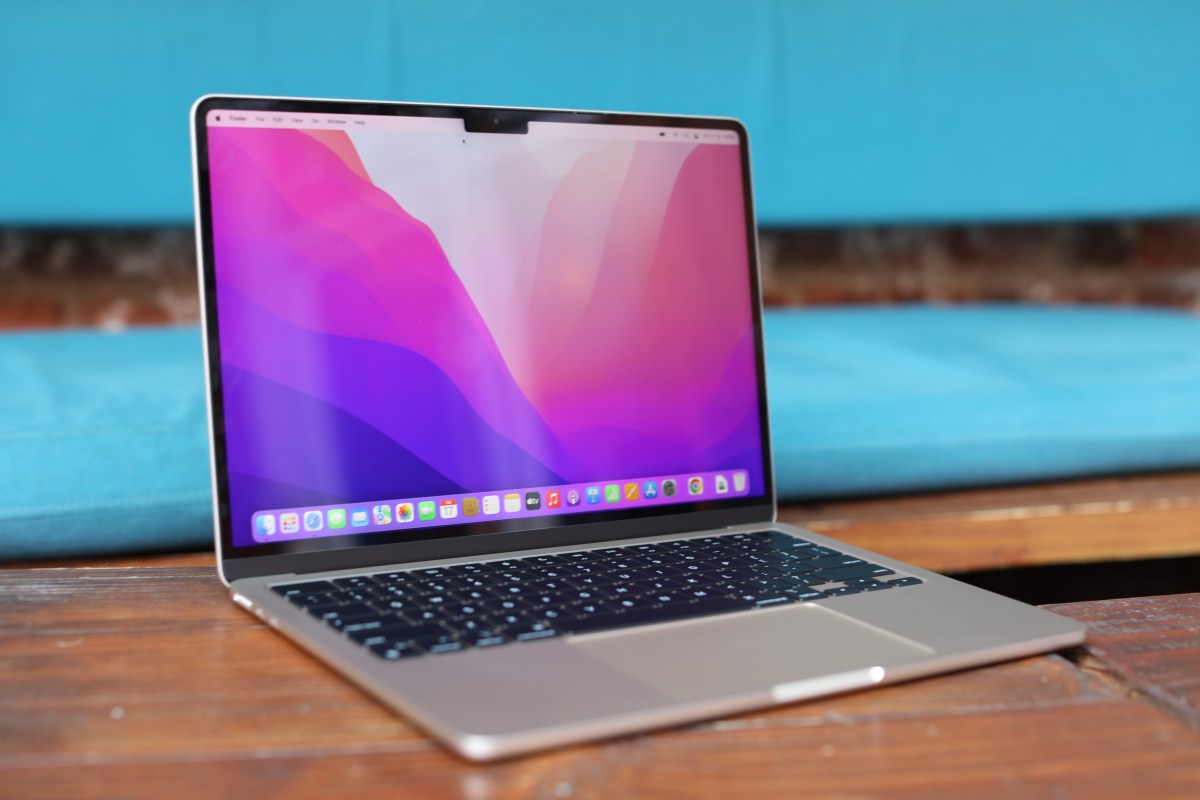
Apple's move to tighten Full Disk Access controls arrives not a moment too soon. As AI agents grow more capable, handing them broad access to files, messages, and mail becomes a genuine liability. This isn't about slowing progress; it's about making sure powerful tools don't outpace the safeguards users rely on. For anyone exploring how to protect their data while embracing smarter workflows, this shift feels like a necessary step forward.
Understand Claude's Watermarks to Better Manage Your AI Output
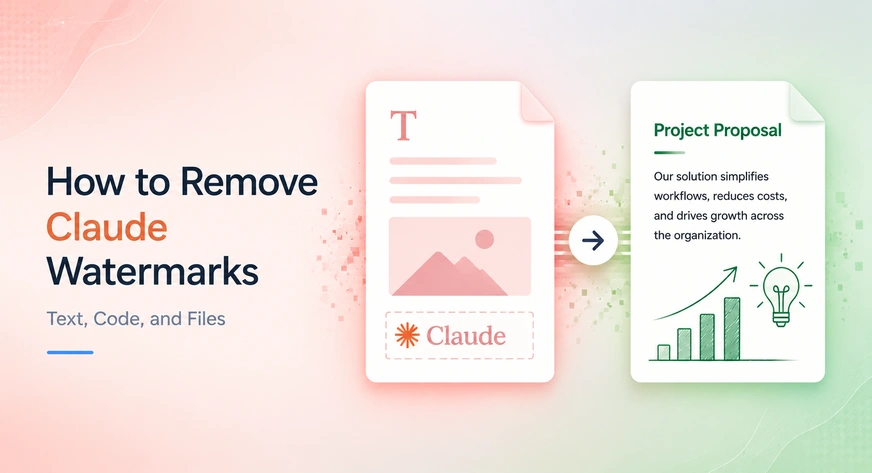
Claude's watermarks are not one-size-fits-all. Text carries embedded markers, while supported files rely on signed C2PA metadata. Code, however, sits in a curious middle ground; its structure gives the watermark fewer places to hide. That nuance matters if you are trying to strip these traces cleanly. I appreciate that this guide digs into the practical differences rather than treating AI content as a monolith. For more on how AI systems shape what we see, our piece on agents learning by editing context pairs well here.
Explore how Claude's new watermarking builds trust in AI-generated content.
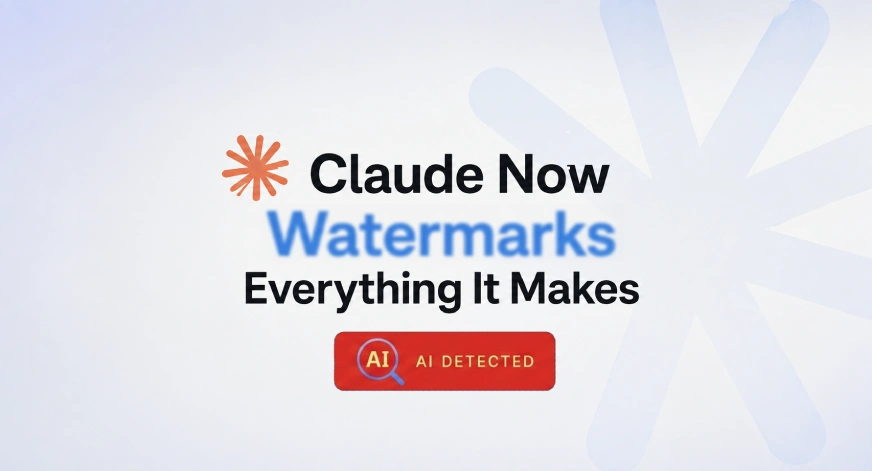
Since August 2nd, 2026, Claude has embedded a hidden watermark in all text it generates, while files receive a digital signature. This move aligns Anthropic with the EU AI Act's Code of Practice on Transparency. It is a straightforward step toward accountability, though the quiet nature of the tech raises questions about how users will actually perceive it. For deeper context on how we interact with AI outputs, our piece on talking to an AI clone offers a fitting companion.