fraud detection
8 stories filed under fraud detection on Beyond Market Intelligence. The newest of them: “AI agents go undercover to learn how scammers operate from the inside”, “How AI can help people access public services they are entitled to”, and “Why Agentic AI Fraud Defies Traditional Explainability Tools”. Most companies deploy AI agents to ship products faster. There's a quiet irony in the flood of AI agents knocking on public services' doors: they're not gaming the system, they're just asking for what's already theirs. Acme AI is the next-generation, AI-powered spreadsheet platform built to replace Excel and redefine how analysts, data scientists, and enterprise teams work… The list below is every fraud detection story on Beyond Market Intelligence, newest first.

AI agents go undercover to learn how scammers operate from the inside
Most companies deploy AI agents to ship products faster. Apate.ai sends them undercover to get scammed. The agents embed themselves inside fraudulent operations, learning how scammers work from the inside. It's a clever inversion of the technology's usual role, not acceleration, but observation. The approach is practical and human-centered: understanding the enemy before building defenses. For a deeper look at how disciplined engineering shapes AI behavior, our piece on giving AI-generated code room to grow pairs naturally with this work.

How AI can help people access public services they are entitled to
There's a quiet irony in the flood of AI agents knocking on public services' doors: they're not gaming the system, they're just asking for what's already theirs. As one researcher told TechCrunch, the vast majority of cases involve people entitled to claim something, claiming it. That's not abuse; that's access finally catching up with intent. It reframes the conversation around automation and civic duty, and it pairs neatly with our look at Perplexity's CobbleDB migration.
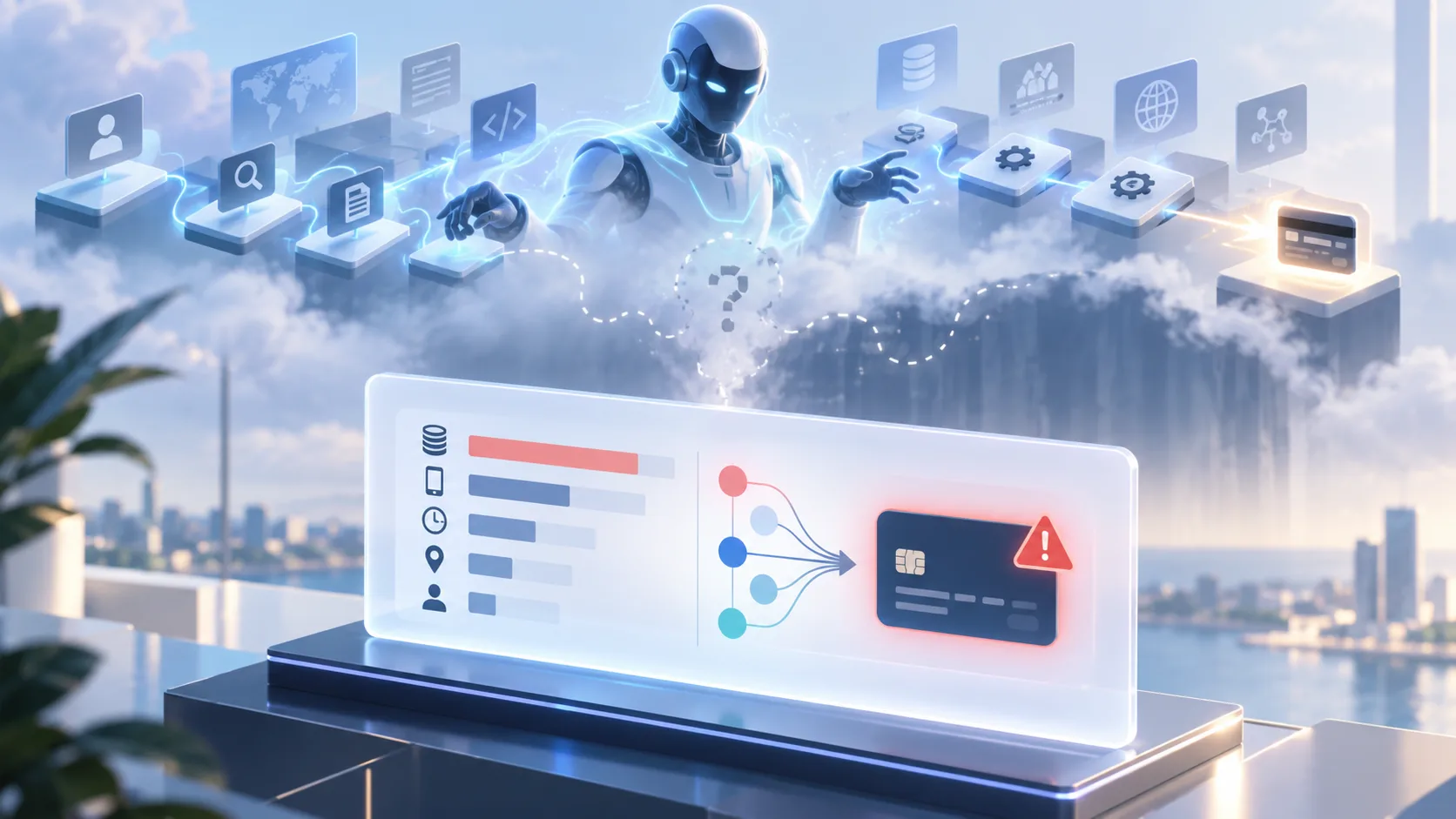
Why Agentic AI Fraud Defies Traditional Explainability Tools
SHAP has long been the go-to tool for explaining fraud predictions, but autonomous agents break that framework. When an AI agent makes a series of decisions across multiple systems, a single feature-importance score can't capture the cascading logic. This gap matters because fraud detection is becoming more dynamic, not less. It's a problem worth confronting directly, and one that challenges how we define accountability in AI-driven security. If you're tracing how these systems learn, our guide to distributed training offers useful context.

Trust in the digital age requires more than spotting AI-generated content
AI detection is becoming a whole new kind of hard, and Max Spero from Pangram is digging into why it's so much trickier than a simple "Real or Fake" call. We're not just talking about social media noise; this is showing up in job applications and insurance claims. That's a real trust problem. The challenge is that these tools are getting more sophisticated, and our ability to spot them isn't keeping pace.

Why Your Best Fraud Model Might Not Belong in Production
Six models trained for fraud detection, yet the one with the best metrics never made it to production. That's the honest hurdle this final-year project exposes: evaluation scores don't always translate into real-world deployment. It's a grounded lesson in how operational constraints, not just accuracy, shape what actually ships. For anyone moving from academic benchmarks to practical systems, this is a useful reality check.
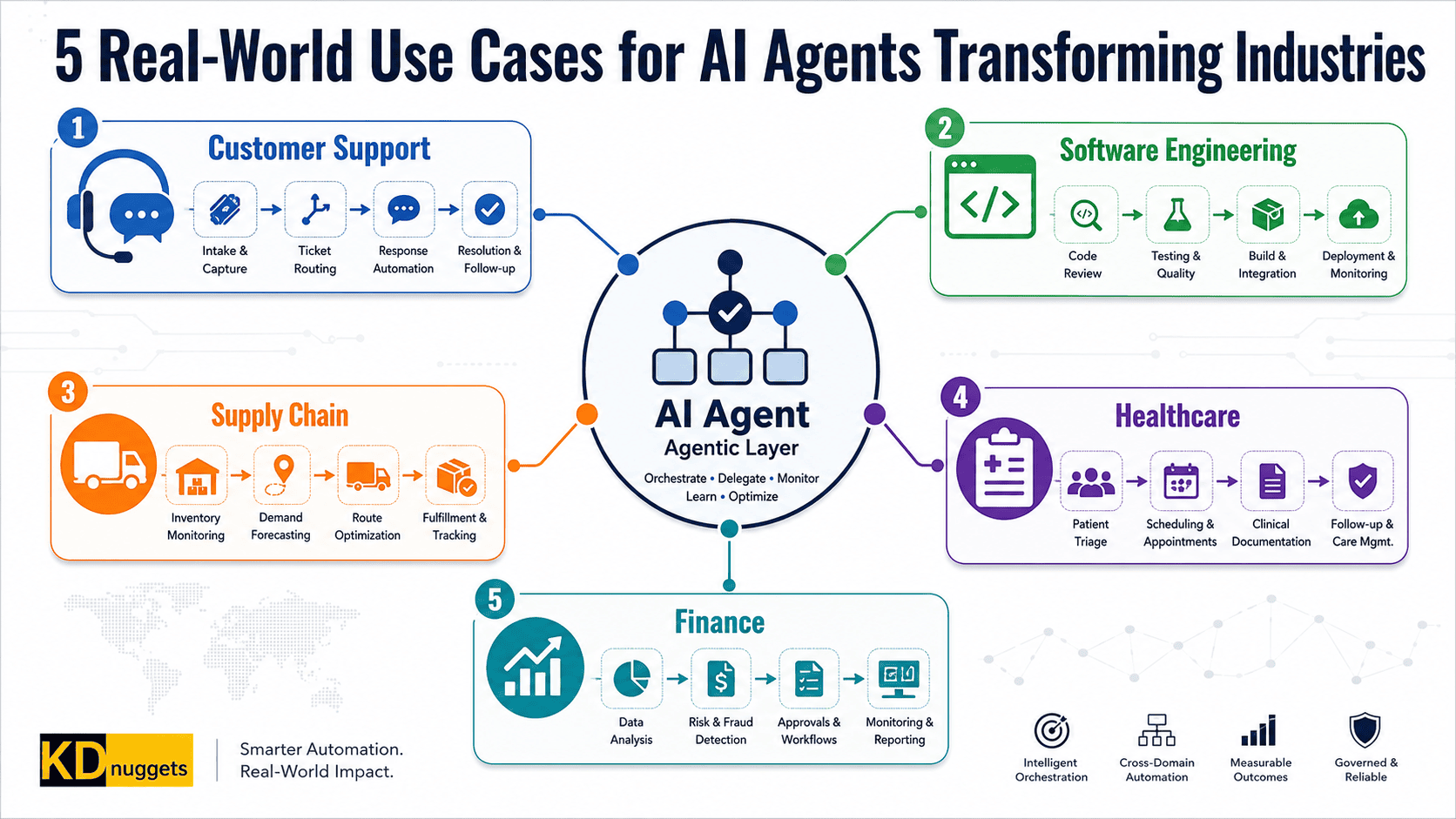
Five ways AI agents are streamlining complex workflows today
AI agents are no longer a concept for tomorrow. They are answering support tickets, writing code, managing supply chains, and flagging fraud today. The shift from static tools to autonomous action is real, and the examples here show how quickly that changes what a team can accomplish. If you want to see where this is headed, our guide to bridging retrieval and action offers a practical look at connecting the dots. The work is happening now, and it is worth your attention.

When the buyer is a bot, fraud detection must learn to see new patterns.
Mastercard spent decades training its fraud system to see bots as thieves. Now those same bots are the buyers, and the company's risk framework is being rewritten to let them in. Greg Ulrich, chief AI and data officer, told the VB Transform 2026 audience that enabling agents to transact requires changing rules built to block them. That shift touches identity, intent, and trust, layers Mastercard is rebuilding as it scores 175 billion transactions a year.

Spur Intelligence secures $200 million to sharpen bot detection technology
Spur Intelligence just landed a $200 million round from Insight Partners, and the message is clear: separating real humans from bots is no longer a nice-to-have. It's the foundation of trustworthy data. This funding validates the hard work of making online interactions feel genuine again. We've been exploring how AI slop can quietly skew your models, so this focus on filtering out the noise feels timely. It's a smart move toward cleaner, more reliable insights for everyone.