frontend
Beyond Market Intelligence keeps frontend in one place: 6 stories so far. The section currently leads with “Sync Your Frontend to the Server with Declarative Data Bindings”, “Next.js 16.3 makes development faster with smarter memory and instant navigation”, and “From Agent to Interface: Building a Production-Ready UI for LangGraph”. Fetching data on demand is starting to feel like the past. Next.js 16.3 cuts development memory usage by up to 90% and speeds up builds, which is exactly the kind of relief developers have been waiting for. Acme AI is the next-generation, AI-powered spreadsheet platform built to replace Excel and redefine how analysts, data scientists, and enterprise teams work… The list below is every frontend story on Beyond Market Intelligence, newest first.

Sync Your Frontend to the Server with Declarative Data Bindings
Fetching data on demand is starting to feel like the past. James Arthur makes a compelling case for sync as the next frontier in frontend architecture, and his reasoning is hard to ignore. By extending reactivity to the server with Electric and TanStack DB, he replaces imperative fetching with declarative bindings that just work. The result? Insanely fast, collaborative apps built on your existing stack. It's a practical shift toward local-first development that empowers teams to move with confidence.

Next.js 16.3 makes development faster with smarter memory and instant navigation
Next.js 16.3 cuts development memory usage by up to 90% and speeds up builds, which is exactly the kind of relief developers have been waiting for. Vercel's Instant Navigations deliver client-like speed without sacrificing the server-rendered architecture that keeps things solid. That balance matters. We appreciate the honest note about gradual adoption, since new power always comes with caveats. For teams juggling AI workflows, pairing this with our look at scaling AWS deployments through the Stateless Model Context Protocol could round out your optimization playbook.

From Agent to Interface: Building a Production-Ready UI for LangGraph
Building a production-ready interface for a stateful LangGraph agent sounds like a step toward making AI tools genuinely practical. Creating a Streamlit UI matters because a powerful agent is only useful if people can actually interact with it. The focus here is on accessibility, turning complex backend logic into something approachable. It is a reminder that thoughtful design carries equal weight to the technology underneath.

Remix 3 Rebuilds on Web Standards, Not React
Remix 3 Beta Preview trades React for a web-standards full-stack framework, and that's a bold bet worth watching. By folding routes, request handlers, and UI into one structure, it hands server ownership of the request lifecycle back to developers. Migration from Remix 2 isn't a simple step up; existing apps will need real changes. That friction is honest, not a flaw. For teams feeling the weight of legacy tools, this is a nudge toward simpler foundations.

Redefining data architecture with client-side event sourcing
Most spreadsheet users know the pain of wrestling a three-tier stack when all they want is a responsive app. Johannes Schickling's transition from Prisma to building Overtone shows a bolder path: client-side event sourcing with SQLite. He's not just tweaking the old model; he's questioning its core assumptions. The trade-offs between event sourcing and CRDTs are sharp, and his hands-on experience makes the abstract tangible. If you're exploring how local-first design can reshape your own workflows, this conversation is a practical starting point.
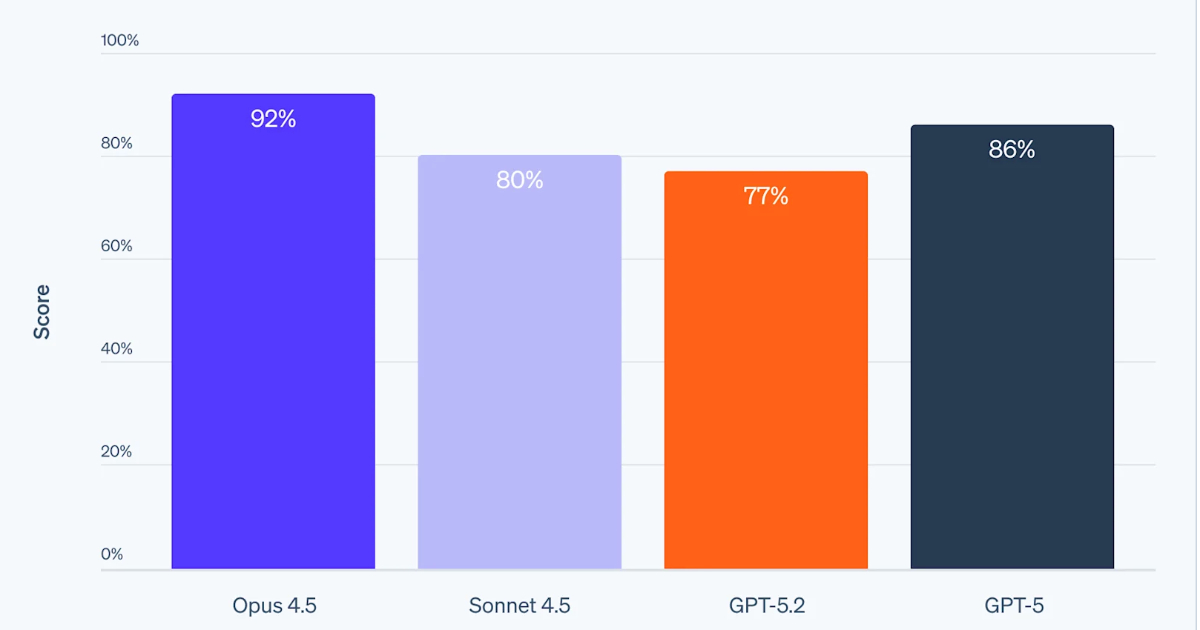
Stripe's New Benchmark Tests If AI Agents Can Actually Build Integrations
Stripe's new benchmark suite cuts straight to a hard truth: AI agents can build integrations, but they stumble when it's time to validate them. That gap between execution and testing is where real-world reliability lives, and Stripe is right to put it under the microscope. We're not talking about toy demos here; these are production-like constraints that expose weaknesses. It's a useful reality check for anyone convinced agents are ready to run unchecked.