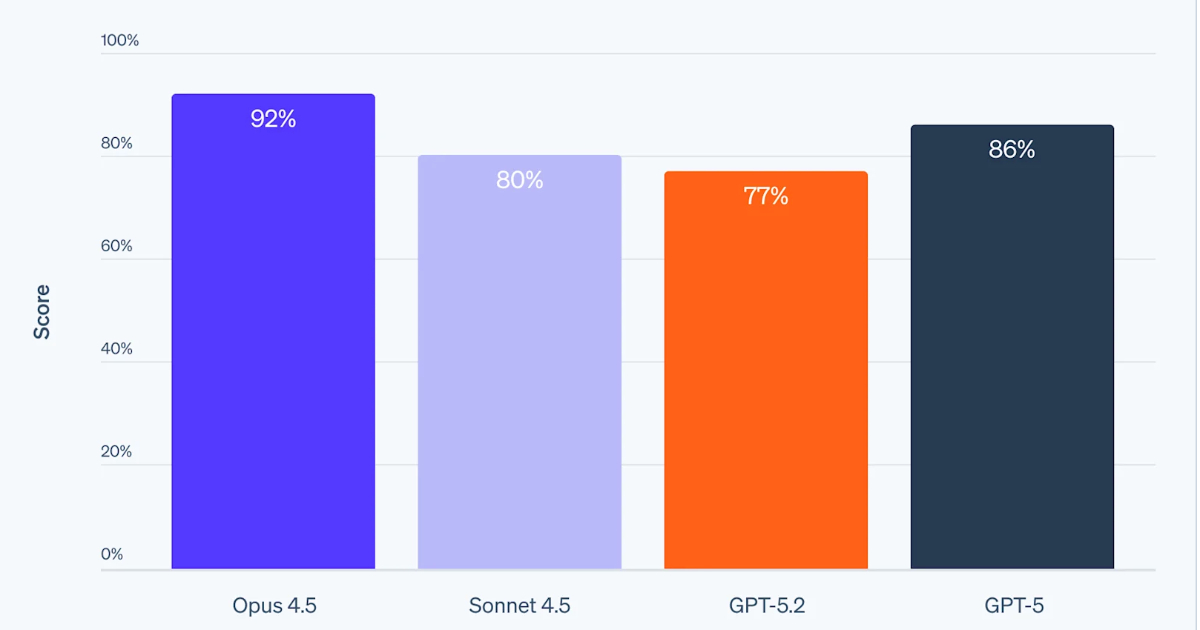
Stripe's new benchmark suite is a useful reality check for anyone who thinks AI agents are about to replace software engineers. The company tested whether agents could build real Stripe integrations across backend, frontend, and browser-based checkout workflows. The results? Agents can generate code that looks plausible, but they stumble when it comes to validation and testing under production-like constraints. That gap between "writes code" and "proves it works" is exactly where the industry's optimism meets its limits.
For our readers, this is not an abstract research note. It's a practical signal about where agentic coding tools are genuinely useful and where they still need human oversight. We've touched on similar themes before, whether it's questioning the Talking to My AI Clone Taught Me to Question the Tech or the need to Verify Your AI's Understanding in high-stakes contexts. Stripe's benchmark reinforces that pattern: the hard part isn't generating integration code, it's knowing whether that code actually holds up when real money moves through it.
The benchmark's focus on end-to-end capability is what makes it valuable. Most demos show an agent producing a snippet in isolation. Stripe is asking whether that snippet works when it has to interact with a real API, handle errors, and pass validation under load. That's a much higher bar, and it's the right one. It also mirrors what we see in the job market, where the line between AI/ML engineering and traditional software engineering is blurring. As Navigating AI/ML Job Requirements points out, employers increasingly expect both skill sets. Stripe's results suggest that expectation is justified: agents can accelerate coding, but they still need a human who understands validation, testing, and the messy reality of production systems.
The takeaway isn't that AI agents are overhyped. It's that we're using them for the wrong part of the job. Agents are excellent at drafting, exploring options, and scaffolding out integrations quickly. But the benchmark shows they struggle with the part that actually matters in production: proving correctness. So when a developer asks us whether they should trust an agent to build their Stripe integration, our answer is simple. Use it to move faster, but treat the output as a strong first draft, not a finished product. The validation step is still yours.
The specific detail to watch is how Stripe's benchmark evolves. If agents improve at testing and validation, that's a sign the technology is maturing beyond code generation. If not, we'll keep seeing a familiar pattern: impressive demos, fragile outcomes. For now, the most actionable insight is also the most practical one. Let agents write the code. You handle the proof.