generative models
5 stories filed under generative models on Beyond Market Intelligence. The newest of them: “Evolving AI: Lessons from Building Intelligent Enterprise Systems”, “Explore how VAEs generate new data through math and practical insight”, and “Explore how a third pretraining axis transforms end-to-end data generation.”. Three generations of intelligent retrieval systems is a long arc to trace, and the lessons are tangible. Variational autoencoders ask a deceptively simple question: how do you generate something new from a learned distribution of what already exists? Acme AI is the next-generation, AI-powered spreadsheet platform built to replace Excel and redefine how analysts, data scientists, and enterprise teams work… The list below is every generative models story on Beyond Market Intelligence, newest first.
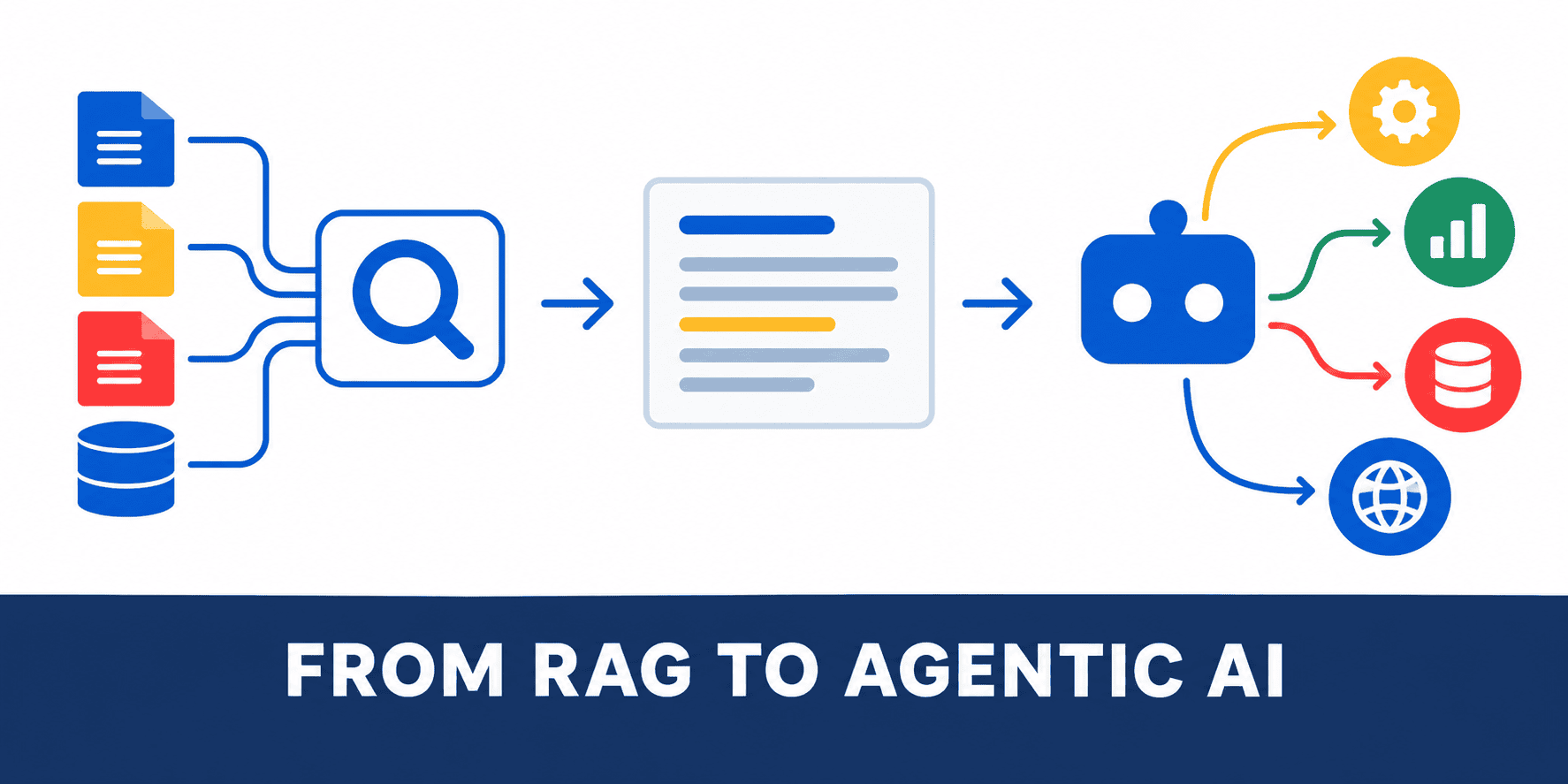
Evolving AI: Lessons from Building Intelligent Enterprise Systems
Three generations of intelligent retrieval systems is a long arc to trace, and the lessons are tangible. Each iteration tackled a constraint the previous one couldn't crack, which is exactly how progress should feel: deliberate, not chaotic. This is a story about persistence in engineering, and it's worth reading. For those curious about the underlying mechanics, our guide to distributed training offers a practical entry point. But start here, where the real-world friction meets the fixes.

Explore how VAEs generate new data through math and practical insight
Variational autoencoders ask a deceptively simple question: how do you generate something new from a learned distribution of what already exists? This walkthrough takes the math-first route, tracing the path from theory to the evidence lower bound and the reparameterization trick that makes training possible. It is a precise, grounded explanation for anyone ready to move past surface-level intuition. If distributed training feels like the next step in your LLM journey, our guide on distributed algorithms pairs well with this foundation.

Explore how a third pretraining axis transforms end-to-end data generation.
Most language models are trained along two axes: data and compute. Gladstone and colleagues argue for a third: the modeling objective itself. Their work on explorative modeling suggests that how we frame the learning task is as important as the data we feed it. This isn't a tweak; it's a different approach to end-to-end generation. For a deeper look at how such models navigate structure, our guide on paragraph structure in token space is a useful next stop.
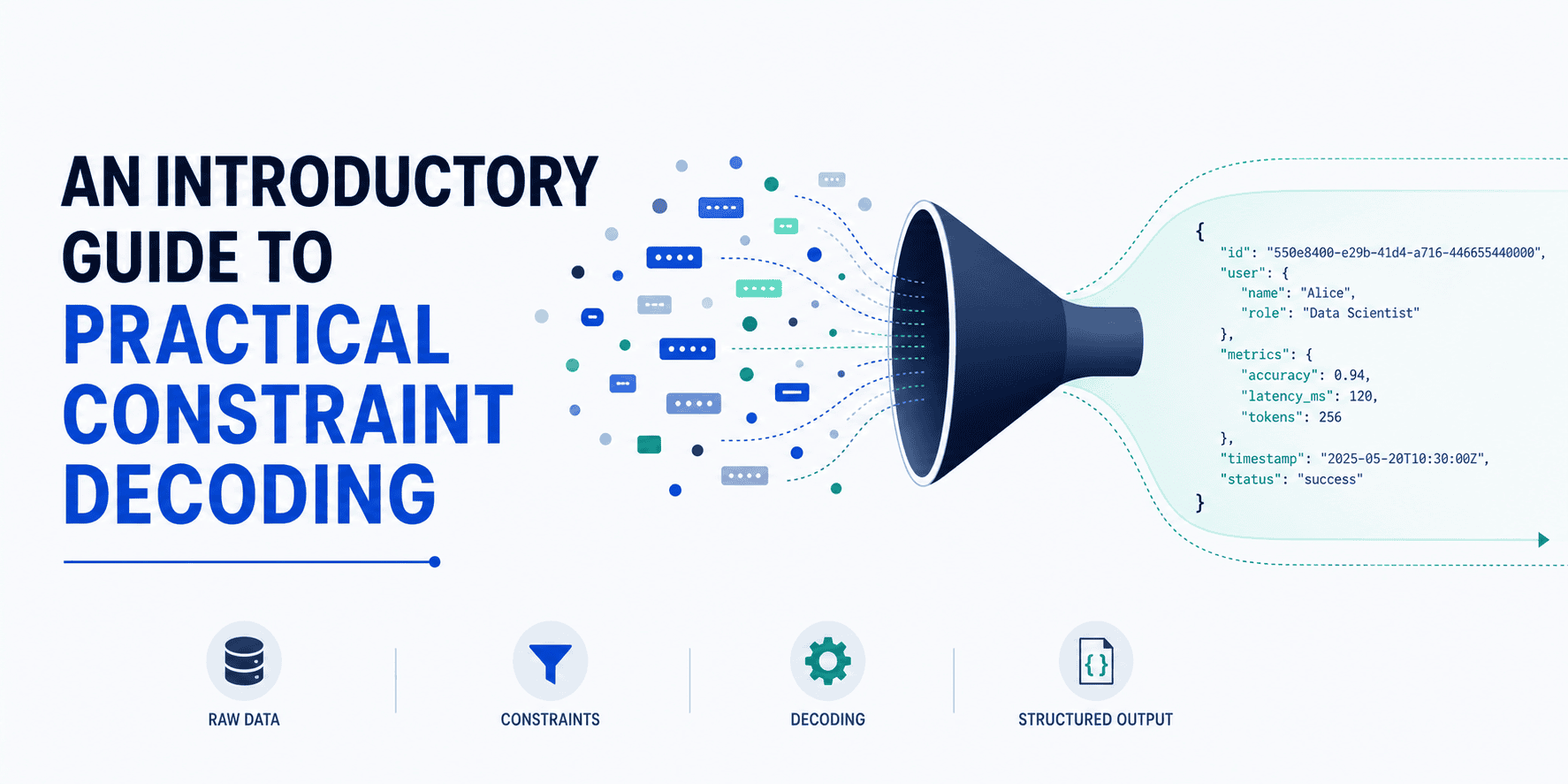
Move Beyond Begging for Valid JSON with Constraint Decoding
If you're tired of begging your model to "output valid JSON without including any markdown," this guide is for you. Practical constraint decoding takes the guesswork out of formatting, turning a frustrating negotiation into a reliable, repeatable process. It's a straightforward approach that puts control back in your hands. We think it's an essential read for anyone building on AI. For more ways to keep your work smooth, check out "Keep Your Data Science Notebooks Running: Six Essential Habits" to round out your workflow.
Connect at KDD in Jeju to explore AI's future together.
A Reddit post inviting KDD attendees in Jeju to connect is a refreshingly human moment in an increasingly technical field. The user, working on interpretability and fairness in text-to-image models, frames the meetup around shared curiosity rather than networking pressure. That approach feels aligned with how meaningful research collaborations often start. For anyone exploring similar questions about model transparency, our piece on verifying an AI's understanding during tax season offers a practical angle.