GPU memory
Beyond Market Intelligence keeps GPU memory in one place: 6 stories so far. The section currently leads with “GKE Pod Snapshots Cut Startup Lag by 89% While Easing the Load”, “Optimize LLM memory with a VRAM formula and three targeted strategies”, and “Unlocking LLM Performance Through Smarter Memory Management”. GKE Pod snapshots are delivering the kind of results that make you pause: up to 89% lower startup latency and a 70B model loading in 37 seconds. Inference servers don't hit a compute wall first; they hit a memory one. Acme AI is the next-generation, AI-powered spreadsheet platform built to replace Excel and redefine how analysts, data scientists, and enterprise teams work… The list below is every GPU memory story on Beyond Market Intelligence, newest first.

GKE Pod Snapshots Cut Startup Lag by 89% While Easing the Load
GKE Pod snapshots are delivering the kind of results that make you pause: up to 89% lower startup latency and a 70B model loading in 37 seconds. That's a serious step forward for teams wrestling with cold starts. By checkpointing CPU and GPU memory through gVisor into Cloud Storage, Google is easing a real bottleneck. Still, the community is asking the sharper question: is invalidation the harder problem?
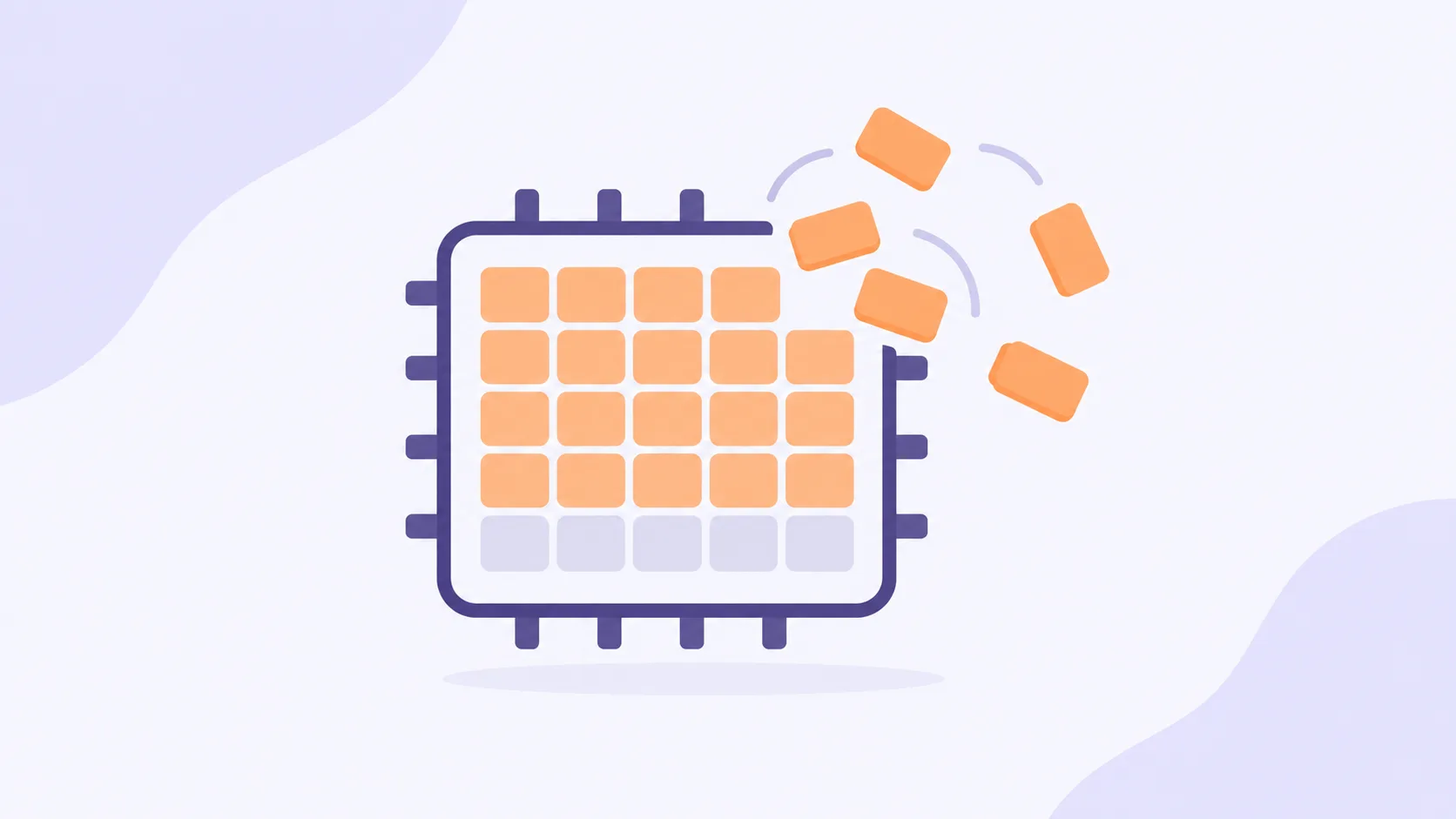
Optimize LLM memory with a VRAM formula and three targeted strategies
Inference servers don't hit a compute wall first; they hit a memory one. The KV cache tax quietly consumes your VRAM budget, leaving GPUs idle while requests stall. This piece breaks down the formula behind that imbalance and maps three optimization strategies to the exact traffic patterns that trigger out-of-memory errors. It's a practical look at why serving fails and how to plan around it. For a deeper foundation on distributed systems, pair this with our guide to distributed training algorithms.
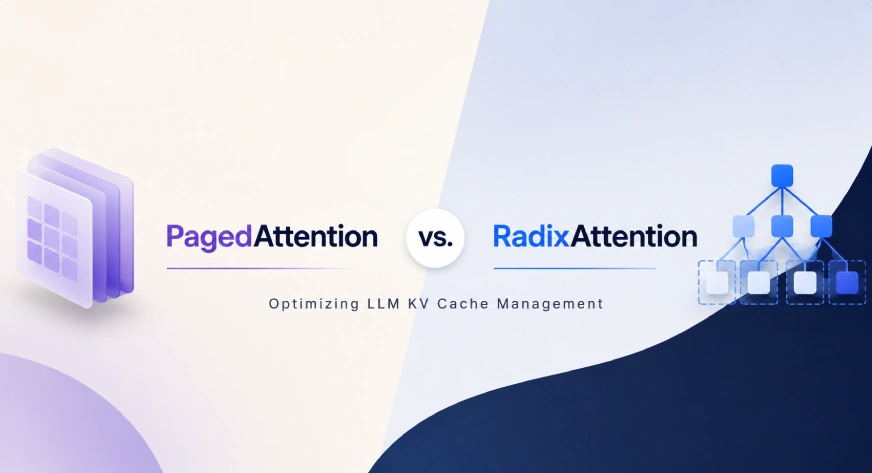
Unlocking LLM Performance Through Smarter Memory Management
KV cache memory can quietly decide whether an LLM deployment thrives or stalls. PagedAttention tackles fragmentation with smarter allocation, while RadixAttention targets prefix reuse. Both cut the GPU strain that limits concurrency and throughput. What stands out is how practical these optimizations feel. Production latency improves without demanding new hardware. For readers exploring how context shapes model behavior, our piece on agentic context learning pairs well with this discussion. It is a useful next step for understanding what makes modern LLMs efficient beyond raw architecture.

Qwen3.8-27B brings powerful local AI agents to your own machine
The 27-billion-parameter model from Alibaba landed quietly on Hugging Face, but developers heard it loud and clear. Qwen3.8-27B isn't just another compact local model; it brings coding agents, image understanding, and a 262,144-token context window to hardware you might already own. Third-party tests now match it with cloud-only systems from months ago. That gap is closing faster than expected, and for enterprises watching data privacy and cost, the appeal is obvious. It's worth exploring how this changes what "local" really means.

The Autonomous Agent: Your Next Manager Lives in Shared Memory
The sharpest manager in your company might not sleep, and it won't need a coffee break. It will live in shared GPU memory, running a decentralized agentic loop. This systems-level view challenges us to rethink why middle management collapses into protocol and what breaks in today's AI stack. It's a bold, practical look at what autonomous agents need to actually run a business. For a deeper foundation on the mechanics, our guide to distributed training algorithms pairs well here.

Stop feeding your GPUs the same data twice
GPU memory is the most expensive resource in production AI, and it's running out fastest. Weka's NeuralMesh 6 takes a different path: instead of adding more GPUs, it caches 100% of a model's pre-calculated tokens on cheap flash storage. That cuts the costly recomputation behind long contexts and multi-turn chats. It's a practical fix for GPU scarcity, and one worth exploring, especially if you're chasing better utilization from the hardware you already have.