guidelines
12 stories filed under guidelines on Beyond Market Intelligence. The newest of them: “Locating the hidden PDF diff in ICLR rebuttals”, “An Overlooked CVPR 2027 Form Could Derail Your Submission”, and “Navigating arXiv's endorsement path for computer vision submissions”. If you're updating your manuscript during ICLR rebuttals and can't find the promised PDF diff, you're not alone. A separate author enrollment form, due by the abstract deadline, is an easy detail to overlook for CVPR 2027. Acme AI is the next-generation, AI-powered spreadsheet platform built to replace Excel and redefine how analysts, data scientists, and enterprise teams work… The list below is every guidelines story on Beyond Market Intelligence, newest first.
Locating the hidden PDF diff in ICLR rebuttals
If you're updating your manuscript during ICLR rebuttals and can't find the promised PDF diff, you're not alone. The guidelines suggest it will be applied automatically, yet no color-coded changes appear, not even under "Revisions." This gap between expectation and reality is frustrating when you're trying to make reviewer feedback visible. For deeper guidance on presenting your revisions clearly, our related piece "Clarity in your ICLR rebuttal can help reviewers see your revisions" explores how to make your updates stand out.
An Overlooked CVPR 2027 Form Could Derail Your Submission
A separate author enrollment form, due by the abstract deadline, is an easy detail to overlook for CVPR 2027. One researcher just discovered this the hard way, submitting their form an hour late despite having a complete OpenReview profile. The guidelines mention desk rejection for incomplete enrollment, which seems harsh when no reminder was sent. This feels like a trap for the unprepared. For more on submission pitfalls, see our related coverage of "Navigating arXiv's endorsement path for computer vision submissions."
Navigating arXiv's endorsement path for computer vision submissions
Submitting to arXiv's cs.CV category shouldn't hinge on who you know, yet the endorsement requirement makes it a quiet gatekeeper. The rule is clear: an endorser needs three qualifying submissions within a five-year window. That's a modest ask, but it still leaves newcomers scrambling. If you can help this researcher clear that hurdle, send a message. Community support is what keeps open science moving. For more on how review systems shape AI research, our coverage of ICLR 2027 reviews offers a useful parallel.

New App Store Rules Target Tools That Disguise Harmful AI Content
App stores are finally drawing a clear line: tools that disguise harmful AI content as innocent user-generated material won't be tolerated. New guidelines demand developers build in real preventative measures, not just afterthought filters. It's a welcome shift toward accountability. This move echoes a broader tension we're seeing across the industry, AI accelerates research ideas, as our piece on that very bottleneck explores, but our ability to test and moderate what it produces often can't keep pace.

OpenAI's math proofs strayed from expert guidelines, falling short of expectations
OpenAI's math proofs missed the mark. The frontier lab generated a flood of solutions that deviated from guidelines set by the mathematical researchers it consulted. That's disappointing, especially for a company positioning itself as a leader in rigorous AI development. When experts are brought in to steer work, ignoring their direction undermines trust. For more on OpenAI's recent struggles, our piece on how its projected revenue landed $20B short of earlier estimates offers useful context.
Why a living design system beats a frozen component library
Keeping a canonical component library alive used to be a smart investment. But regeneration has changed the economics of reuse. A model pointed at a solid design system can now produce most standard UI on demand. That makes a frozen library feel like a relic. Keep the design system, tokens, guidelines, and tests central, they buy you consistency. For a deeper look at how modern infrastructure scales, see "How Continuity Scales Git to 300 Pushes Per Second With S3."

Empowering officers with AI trained on the laws they actually enforce
A Harvard Law dropout just raised $6 million for Blue Voice, an AI trained on department-specific laws and protocols that general-purpose tools can't reach. That's the kind of focus officers need, and it's a smart bet on accessibility over hype. We're tired of vague promises; this is concrete. If you're curious how AI handles such precise constraints, our piece on verifying AI understanding offers a practical starting point. Blue Voice points to a simpler path forward.
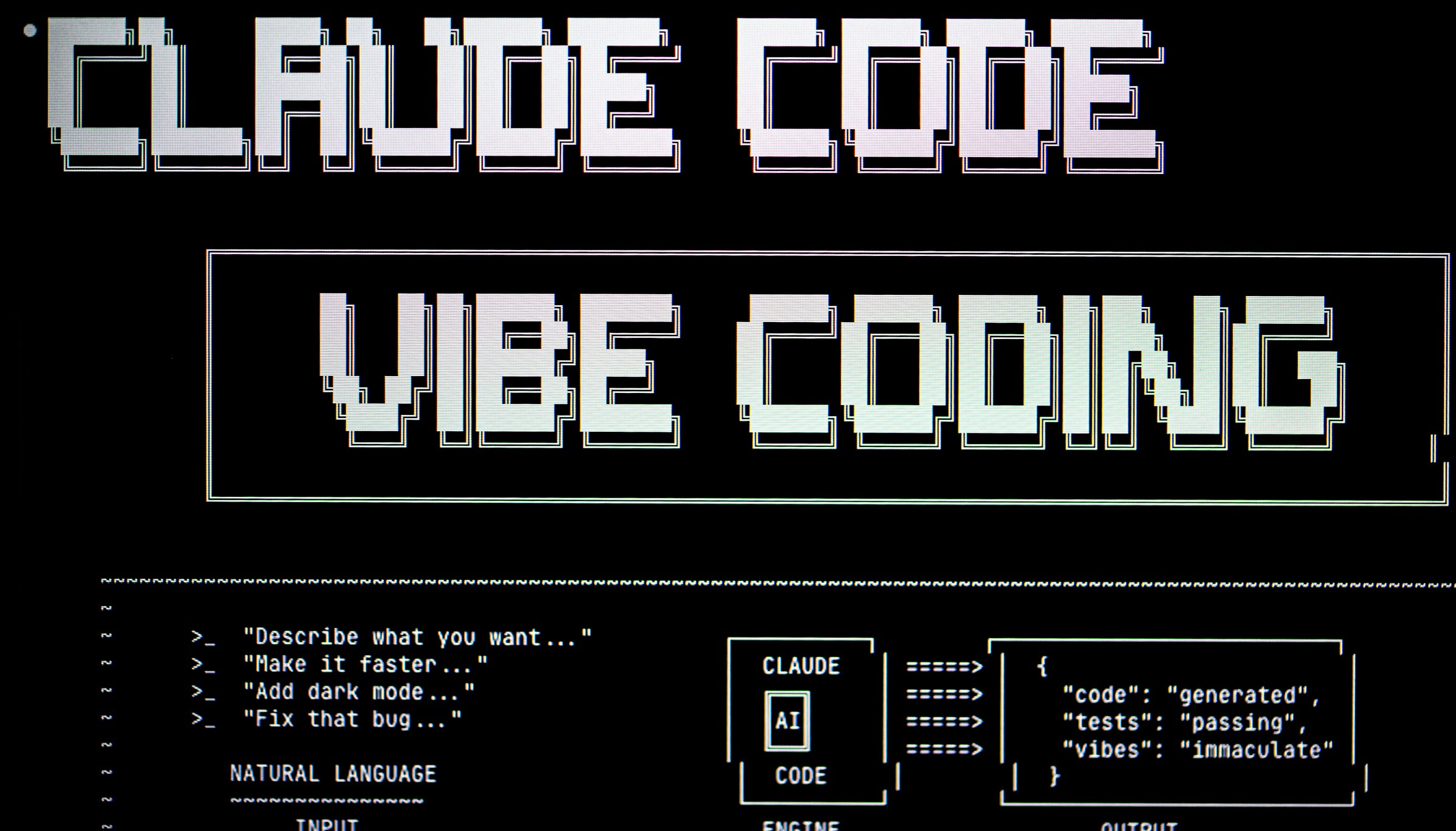
New context engineering guidelines to transform your data science workflow
Context engineering is no longer a behind-the-scenes concern for AI researchers; it is becoming a core skill for data scientists who want their models to act, not just generate. The latest guidelines push us past static prompts toward dynamic, structured reasoning. That shift is practical, not theoretical. We think it deserves your attention, especially if you are building workflows that need to scale.
Navigate Abstract Submissions Without Double Submission Worries
Registering an abstract before submitting the full paper is a common point of confusion, and it's worth pinning down the rules early. In most cases, an abstract alone doesn't count as a full submission, but that depends on the conference's specific guidelines. Don't assume; check their policy to avoid a costly misstep. It's a small step that can save you from a rejected paper later. For more on navigating submission pitfalls, our piece on clean data offers a parallel lesson in precision.

React Router v8: A Purposeful Shift to ESM and Default Middleware
React Router v8 landed on June 17, 2026, and it's a deliberately boring release. The team stripped things down to an ESM-only build and made middleware the default, signaling a clean break from legacy complexity. With v6 and Remix v2 now at end of life, the migration path is clear, if not thrilling. That's fine. Not every update needs fanfare. For those weighing TanStack Router instead, the choice is yours.
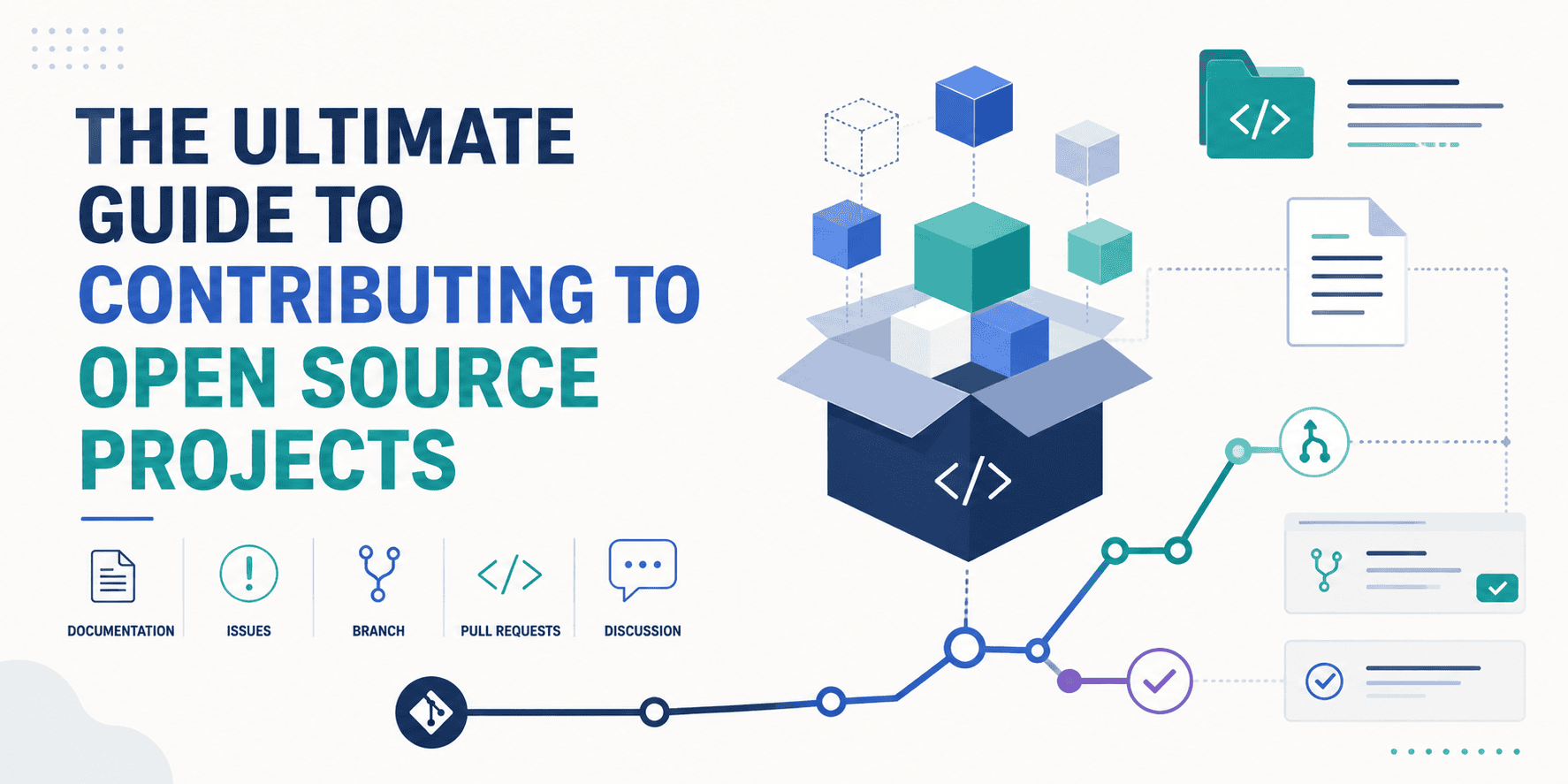
How to Contribute to Open Source Projects With Confidence and Clarity
Open source contributions often stall before they start, usually because the first commit feels like the hardest step. This guide cuts through the guesswork, showing you how to identify projects where maintainers actually respond, master the exact git workflow, and turn a single pull request into a lasting presence. It is a practical map for getting your first real contribution merged.
Discover how AI transforms spreadsheets into intuitive productivity partners
When a Reddit post about AI-driven spreadsheets surfaces, it's worth pausing to see how far the tech has come. The conversation around automating data tasks is no longer theoretical; it's practical, and that's what makes it compelling. We're not here to sell you on hype, just to point out that the tools you already know are evolving in ways that genuinely simplify your workflow. If you're curious about the mechanics behind such progress, our piece on distributed algorithms offers a solid next step.