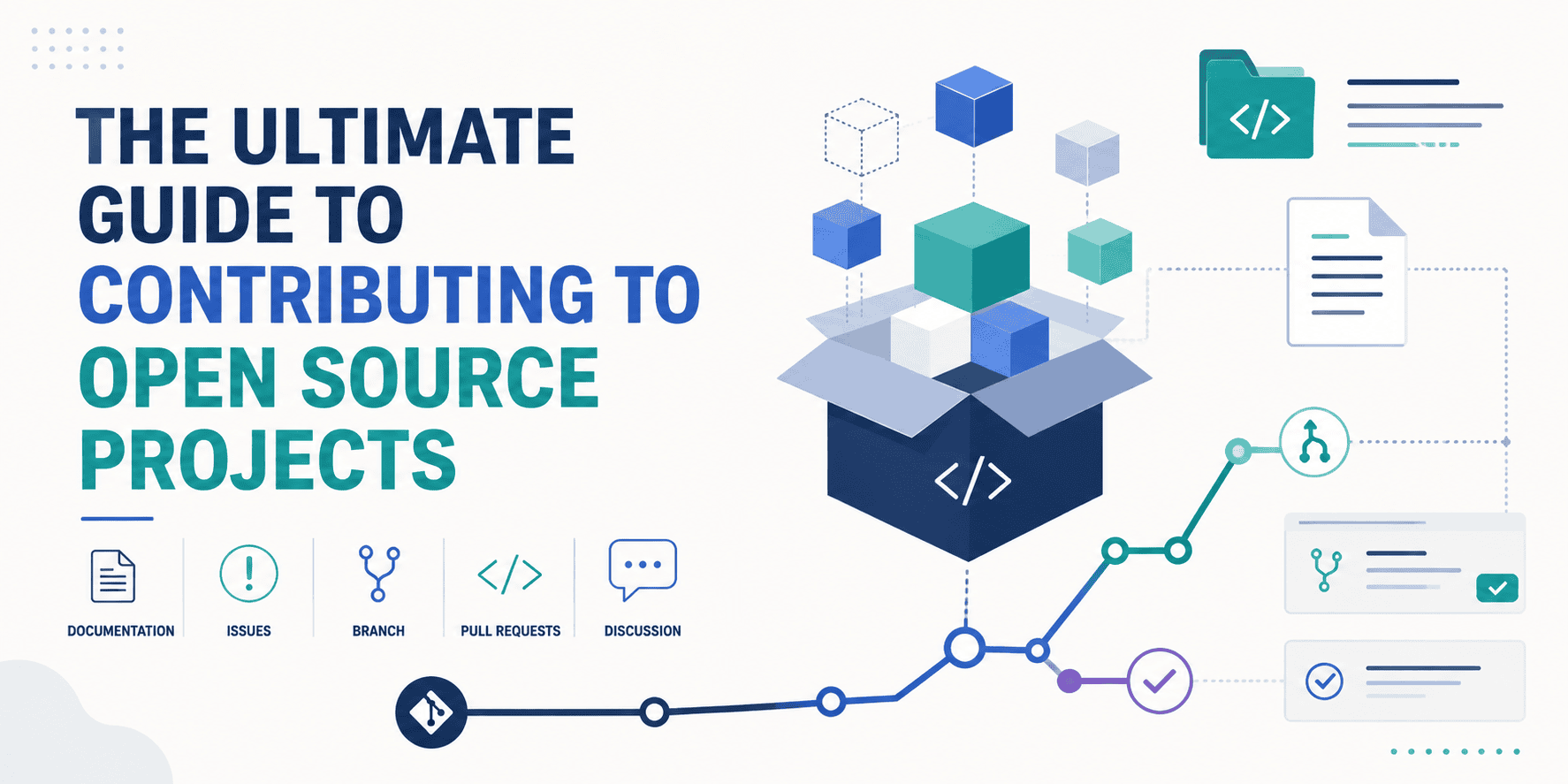
Open source contribution has a documentation problem. Not the lack of it, but the quality. Most guides either assume you already live inside a terminal or they spend three paragraphs apologizing for how scary Git is. This guide from our publication takes a different route, and honestly, it lands where a lot of technical writing should: it treats you like a capable adult who simply has not done this specific thing yet. That is a rarer stance than you might think, and it is why the piece works. It does not beg you to contribute. It does not shame you for not contributing yet. It just walks through the mechanics, the social etiquette, and the very real possibility that the first project you pick might not write back, and that is fine.
What we appreciate most is the guide's insistence on picking a project that will actually respond to you. That is the detail most people skip. The open source world loves to preach about the warm community and the welcoming maintainers, but the truth is that some projects are better maintained than others, and some are outright abandoned while still wearing a "help wanted" badge. The guide is honest about that, and that honesty is what makes it useful. It reframes contribution from a moral obligation into a practical transaction. You are learning, you are building something, and you are offering your time. In exchange, you want a maintainer who reviews your pull request within a month, not a year. That is not a radical ask. It is just a healthy one. And it connects directly to a broader trend we have been watching, where tools are becoming more accessible by design. Take Cloudflare's Blog Finds Performance Gains with EmDash, Its New CMS, for example. That is a story about a company building its own open source tool because the existing options did not fit. That is what contribution looks like at scale, not just fixing a typo, but deciding the tool itself needs to change.
The guide also does something smart with the Git mechanics. It does not pretend that `rebase` is intuitive, because it is not. But it also does not treat the command line like a dark ritual. The tone is practical, almost clinical, which is the right call. You do not need to feel confident about Git to start. You need to know that the first five times you try to squash a commit, you will probably mess it up, and that is a normal part of the process. That is the same spirit we see in Empower Robotics Development with Feather’s Customizable Platform, where the pitch is not about magic but about giving developers a platform they can actually bend to their will. The through line is empowerment through understanding, not through simplification for its own sake. And if you are the kind of person who wants to see where this all leads, Explore the Future: When AI Designs Its Own Hardware hints at a world where even the design process itself becomes a contribution to an open system. That is the trajectory, and it starts with a single pull request.
Here is our take, plainly: the best time to contribute to open source is not when you feel ready. It is when you have a specific, small annoyance you want fixed. Do not start with "I want to be a contributor." Start with "this documentation page is wrong and I know the fix." That is a concrete, actionable step, and it is the only way to get past the paralysis of choice. The quote we would give you, and the one we would tell a friend, is this: "Your first contribution is not about the code. It is about proving to yourself that you can." The guide gives you the steps. The rest is just showing up. Watch for the projects that reply within a week. Those are the ones worth your Saturday mornings.