ingestion
3 stories filed under ingestion on Beyond Market Intelligence. The newest of them: “How Pinterest uses event time watermarks to finalize massive data partitions”, “Production RAG's Missing Piece: Confident Answers, Honest Refusals”, and “How Uber Keeps OpenSearch Running Through a Zone Outage”. Pinterest's event time watermark approach is a smart answer to a real data problem. Moving a RAG prototype to production means confronting the gap between demos and dependable answers. Acme AI is the next-generation, AI-powered spreadsheet platform built to replace Excel and redefine how analysts, data scientists, and enterprise teams work… The list below is every ingestion story on Beyond Market Intelligence, newest first.
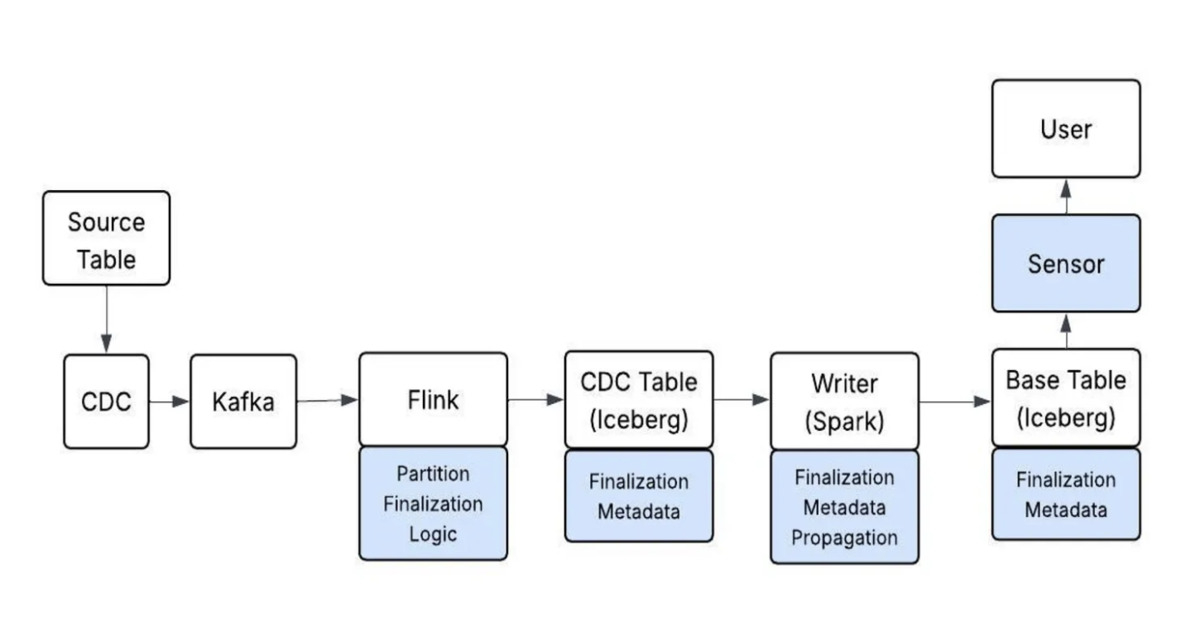
How Pinterest uses event time watermarks to finalize massive data partitions
Pinterest's event time watermark approach is a smart answer to a real data problem. By using Apache Flink to track event time and Apache Iceberg metadata to publish a non-regressing watermark, downstream jobs finally know when continuously ingested CDC data is complete enough to process. It's a practical solution that removes guesswork from massive partition finalization. Readers exploring AI-driven infrastructure might also appreciate how Meta brings private AI processing to smart glasses.
Production RAG's Missing Piece: Confident Answers, Honest Refusals
Moving a RAG prototype to production means confronting the gap between demos and dependable answers. The checklist we needed focuses on citations for every response, the confidence to refuse when context is insufficient, and access control that resists clever workarounds. Ingestion should never block a user. This is about building trust through honesty. For a deeper look at how systems handle uncertain inputs, our guide on multi-armed bandit simulations offers a useful parallel. Watch the full breakdown here.

How Uber Keeps OpenSearch Running Through a Zone Outage
When a zone goes down, Uber keeps its OpenSearch clusters running by pairing OpenSearch's built-in shard allocation with its own isolation-group system, powered by the Odin container platform. That approach protects both query and ingestion, which is no small feat. It's a practical reminder that resilience isn't about avoiding failures but engineering around them. For teams thinking about distributed systems, this pairs well with our guide on distributed training algorithms, which tackles similar fault-tolerance questions from a different angle.