integrations
integrations at Beyond Market Intelligence is a file of 5 stories. The newest of them: “Meta's Muse brings its AI assistance to iPad, expanding the experience users can explore”, “Jev delivers typed probabilities, not text, for faster data decisions”, and “Optimize Your CI/CD Pipeline for AI-Powered Coding Agents”. Meta's Muse is making itself at home on the iPad, arriving just a month after its mobile debut. Spreadsheets have always been a compromise between power and usability, but that trade-off is starting to feel optional. Acme AI is the next-generation, AI-powered spreadsheet platform built to replace Excel and redefine how analysts, data scientists, and enterprise teams work… The list below is every integrations story on Beyond Market Intelligence, newest first.

Meta's Muse brings its AI assistance to iPad, expanding the experience users can explore
Meta's Muse is making itself at home on the iPad, arriving just a month after its mobile debut. That's a fast expansion, and it signals a clear intent: meet users where they already work. The AI agent's reach is growing quickly, with integrations following close behind. For anyone who found spreadsheet workflows clunky on smaller screens, this feels like a natural next step. If AI agents in business tools interest you, our coverage of Hermes Agent's $90M raise offers useful context.

Jev delivers typed probabilities, not text, for faster data decisions
Spreadsheets have always been a compromise between power and usability, but that trade-off is starting to feel optional. Daniel Curtis reports on a new AI-native approach that treats the grid as an interface for natural language reasoning rather than a manual calculation engine. The technology doesn't just automate formulas, it reframes what a spreadsheet can *be*, letting users ask questions in plain language and get structured answers back.

Optimize Your CI/CD Pipeline for AI-Powered Coding Agents
Deploying code with Claude Code isn't just about automating steps; it's about rethinking how your CI/CD pipeline handles AI-driven development. This piece cuts through the noise, offering practical ways to integrate coding agents without losing control or speed. If you're tired of wrestling with brittle workflows, this guide feels like a breath of fresh air. For more on how AI reshapes practical engineering, you might also enjoy *Exploring Real-World Computer Vision*, different domain, same principle: build for real constraints.

From Custom Code to Universal Standard for AI Tool Access
The Model Context Protocol is quietly changing how AI agents reach beyond their training data. This piece breaks down that shift, moving from custom integrations that demand constant upkeep to a universal standard for tool access. It's a practical look at a messy problem, and the clarity here is genuinely useful. If you're curious about the human side of these systems, our piece on talking to an AI clone offers a thoughtful counterpoint worth exploring.
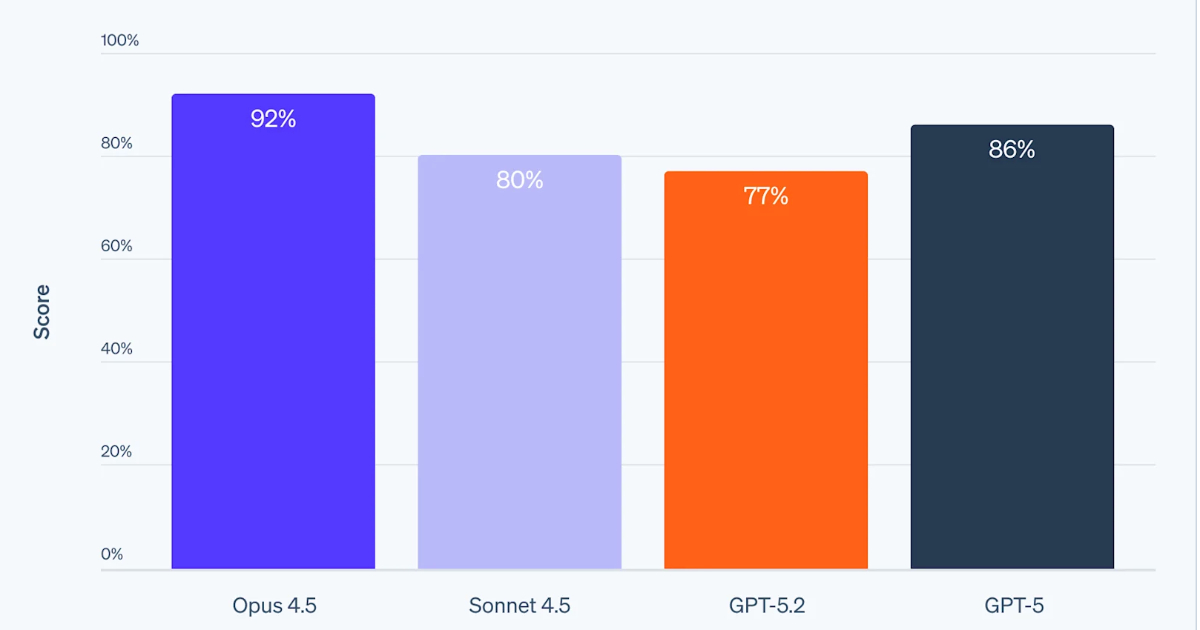
Stripe's New Benchmark Tests If AI Agents Can Actually Build Integrations
Stripe's new benchmark suite cuts straight to a hard truth: AI agents can build integrations, but they stumble when it's time to validate them. That gap between execution and testing is where real-world reliability lives, and Stripe is right to put it under the microscope. We're not talking about toy demos here; these are production-like constraints that expose weaknesses. It's a useful reality check for anyone convinced agents are ready to run unchecked.