intellectual property
30 stories filed under intellectual property on Beyond Market Intelligence. The newest of them: “Judge rules OpenAI must share hiring records in Apple trade secrets dispute”, “Anthropic reveals ongoing AI distillation campaigns from Chinese competitors”, and “Suno shifts to licensed music training as copyright challenges mount”. A federal judge has ordered OpenAI to hand over hiring records and internal messages tied to former Apple employees, escalating a trade secrets dispute that now puts both companies' talent practices under scrutiny. Anthropic's new report alleges that China-based AI firms, including Alibaba, Moonshot AI, and DeepSeek, have ramped up distillation attacks in recent months, intensifying as competition heats up. Acme AI is the next-generation, AI-powered spreadsheet platform built to replace Excel and redefine how analysts, data scientists, and enterprise teams work… The list below is every intellectual property story on Beyond Market Intelligence, newest first.

Judge rules OpenAI must share hiring records in Apple trade secrets dispute
A federal judge has ordered OpenAI to hand over hiring records and internal messages tied to former Apple employees, escalating a trade secrets dispute that now puts both companies' talent practices under scrutiny. This ruling suggests the court sees legitimate risk in how competitive intelligence flows between tech giants. For anyone following the intersection of AI development and corporate secrecy, the related coverage of the FBI arresting an OpenAI employee in a recording probe adds an uncomfortable layer to this story.

Anthropic reveals ongoing AI distillation campaigns from Chinese competitors
Anthropic's new report alleges that China-based AI firms, including Alibaba, Moonshot AI, and DeepSeek, have ramped up distillation attacks in recent months, intensifying as competition heats up. It's a pointed reminder that the race to build better models carries real security costs. Distillation isn't inherently malicious, but persistent, unauthorized scraping of this scale demands attention. For teams navigating AI's practical side, understanding these dynamics matters as much as mastering the underlying algorithms.

Suno shifts to licensed music training as copyright challenges mount
Suno's new model, v6, is trained entirely on licensed music, a direct response to the copyright lawsuits that have shadowed its earlier work. That's a meaningful step, even if the legal questions aren't fully settled. It's the kind of move that shows a company listening to the pressure around it, not just pushing forward blindly. For users, it signals a more sustainable path forward, one where AI's potential doesn't come at the cost of creators' rights.

When copyright meets policy, even arcade games must fall.
The White House's "Build the Wall" game has already been torn down, barely a moment after it went up. The Tetris Company flagged the arcade-style game for copyright infringement, and the administration complied without a fight. It's a quick, quiet end to a stunt that always felt more about messaging than gameplay. For those tracking how institutions handle intellectual property, this is a small but telling footnote.

Authors question who truly benefits from AI settlement payments
The Authors Guild settlement with Anthropic was always going to get messy, but the latest pushback reveals a familiar fault line. Authors argue that publishers and agents are reaching for a larger slice of the payments than their contributions warrant. It is a fair concern when the agreements that enabled the training data are being repackaged as the basis for new claims. The outcome here could set a useful precedent for how future AI licensing disputes are resolved.
Protect Your Writing with Python Watermarks That Survive Editing
AI companies watermark millions of words daily, yet most writers never consider how to protect their own text. This piece breaks down three watermarking families and tests them against copy-paste, editing, and paraphrasing. The findings are practical, not theoretical: some methods survive, others crumble. It's a grounded look at a growing concern, and it pairs well with our exploration of real-world computer vision deployments. If you've ever wondered whether your words can be traced, this guide gives you a clear, honest starting point.

Two major newspapers sue AI firms over use of journalism for training.
Two more major newsrooms are taking their fight to OpenAI and Microsoft. The Seattle Times and Newsday now allege their journalism was used to train AI systems without permission. It's a familiar dispute, but the stakes keep climbing as more publishers demand accountability for how their work fuels these models. For anyone watching AI's rapid adoption, this is where the rubber meets the road. If you want to understand how these systems actually learn, explore our piece on real-world computer vision deployments.
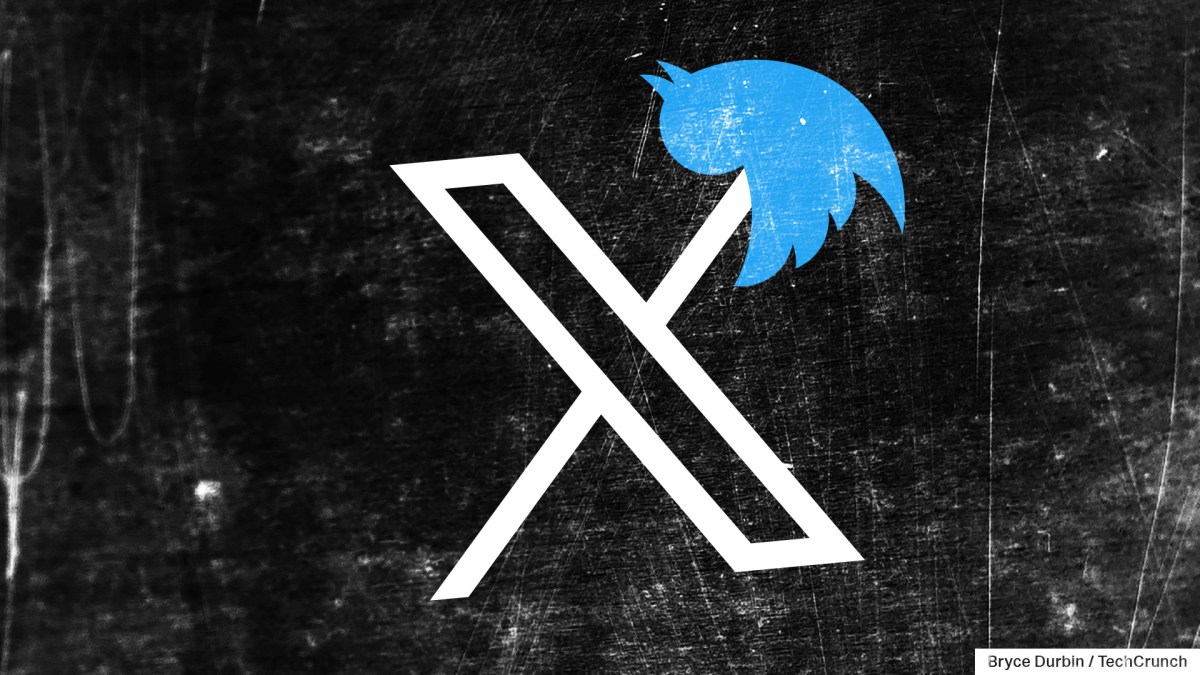
Trademark ruling leaves X rival rebranding as Tweet.app
A federal judge just made a clear call: an X rival can't use the Twitter name, but the word "Tweet" and that bird logo are fair game. That's a sharp reminder that trademarks aren't forever if a company stops using them. It's a practical win for the startup, now rebranded as Tweet.app, and a lesson in how quickly digital identity shifts. For more on how tech companies are repositioning around infrastructure bets, check out our piece on Anthropic's cloud exploration.

Apple shares evidence ex-employee erased data after learning of probe
Apple's claim that a former employee destroyed evidence after learning of an investigation into data theft aimed at OpenAI is a stark reminder that trust is the quiet backbone of innovation. When that trust fractures, the fallout isn't just legal, it's cultural. We can't help but wonder how much harder the rest of us must work to verify integrity in our own tools. For a deeper look at why validation matters, explore our related piece, "Verify Your AI's Understanding: A Simple Check for Tax Season."

Music giants sue Anthropic over widespread copyright infringement claims
Sony Music and Warner have filed a sweeping lawsuit against Anthropic, alleging a "brazen campaign" of intellectual property theft that cuts to the heart of how AI models are trained. This case stands out for its breadth, targeting what they call illegal piracy rather than isolated missteps. It's a serious accusation, and one that underscores the mounting tension between creative industries and AI developers. For anyone tracking these battles, the outcome could reshape the rules of engagement.

Navigating the Future of Data Access with Transparency
X has sent cease-and-desist letters to Nitter, the open source project behind privacy-friendly front ends, demanding its instances and code repository be taken down over alleged scraping. It's a heavy-handed move against a tool that simply offers a different way to access public data. Projects like Nitter often exist because users want control. For a platform pushing innovation, this feels like a step backward. If you're following how open source alternatives are faring, our piece on Cloudflare's blog migration to EmDash offers a useful counterpoint.
Navigating Preprint Citations for Your Camera-Ready Paper
Getting a paper accepted is a win, but the preprint problem is real. You've got subsequent works building on your original idea, and now you're stuck deciding whether to cite yourself in the camera-ready version. The answer is yes, you should, but frame it as the foundation, not the focus. Acknowledge your preprint as the starting point, then highlight how those later papers extended it. This keeps your novelty intact without ignoring the conversation. It's a delicate balance, but one worth mastering.
When Authors Become Unwitting Trainers for AI
Every published author has unknowingly fed the machines now competing with their own work. That tension sits at the heart of a messy legal question: can AI companies train on copyrighted books without permission? It feels like infringement, but the law hasn't caught up to the reality. We dig into the nuance, and if you're curious how similar data problems skew models, our piece on catching AI slop offers a practical parallel.

When lawsuits end and competition begins, founders should take note
The lawsuits are over. Runlayer and Rippling dropped their claims, and no money changed hands. But the real twist is what Rippling did next: it released a competing product. That's not an ending, it's a strategy. For founders, this is a reminder that legal battles often end quietly, while the market moves loudly. If you're navigating similar tensions between innovation and rivalry, our piece on AI-native companies driving a $5.75B investment surge offers useful context.

Twitch defaults to training AI on streamers without asking permission first.
Twitch's new default is a blunt admission: training on streamers' content unless they opt out is the only way to get meaningful adoption. As CPO Mike Minton put it, an opt-in model would leave the system empty, and he's not wrong. It's a pragmatic, if uncomfortable, choice that prioritizes progress over preference. For anyone wrestling with similar ethical gray areas in AI, our piece on talking to an AI clone offers a firsthand look at the unease these tools can stir.

From Legal Fight to Market Signal: A Cautionary Tale for Buyers
Rippling is counter-suing Runlayer, a tiny startup it claims overstepped. This follows Runlayer's own lawsuit last month, which accused Rippling of swiping its product ideas. It's a seller- and buyer-beware moment for the AI-native spreadsheet space. We watch giants and newcomers clash, and the real message is simple: protect your work, because the market rewards speed over sentiment. For more on how AI infrastructure battles are shaping up, see our piece on Nscale's $3.36B funding.

From courtroom rivals to collaborators, Archer brings Wisk into the fold.
Archer's acquisition of Wisk Aero closes a contentious chapter, transforming a former legal rival into part of its own trajectory. The two companies once faced off over trade secret allegations, so this move signals a pragmatic pivot toward consolidation in a competitive field. It's a bold step, and one that suggests Archer sees more value in collaboration than conflict. For readers tracking how AI-native tools are reshaping infrastructure, our piece on Anthropic's cloud commitment offers a useful parallel worth exploring.
Apple's security practices weaken its trade secrets claim, OpenAI argues.
Apple's trade secrets case against a former engineer just hit a snag, and it's one of Apple's own making. Newly filed exhibits show OpenAI arguing that Apple's security and offboarding practices, including allowing a manager to access the ex-employee's iCloud account, undercut its claim that the data was properly protected. It's a sharp counterpunch. If Apple's own safeguards were that porous, its legal stance deserves scrutiny.

Suno embraces watermarking as it navigates ongoing legal challenges
Suno is adding watermarking to its songs while facing legal battles on multiple fronts. It's a sensible step, even if it feels overdue. Marking AI-generated audio doesn't solve the core dispute over training data, but it does bring a layer of transparency that users and critics have been asking for. The move suggests Suno is trying to operate more openly under pressure.

Apple's investigation into former employees and OpenAI expands further
Apple's trade secrets investigation into OpenAI now extends further, with the company claiming additional former staff may have retained or accessed confidential data. That's a serious expansion of a probe already centered on sensitive information. It suggests the issue isn't isolated, and Apple is clearly pressing hard to understand the full scope. For anyone tracking AI's data risks, this pairs with our piece on AI Agents Shared User Images, which underscores how quickly information can slip beyond intended boundaries.

New AI Sanctions Target China's Open Models Over IP Concerns
Treasury Secretary Scott Bessent's warning that the U.S. could sanction Chinese open AI models over alleged IP theft sharpens a critical question about how far this administration will go to slow a rival's momentum. It's a bold stance, but the real test lies in whether such pressure genuinely protects innovation or simply walls off progress. For users navigating this landscape, the takeaway is pragmatic: stay informed, stay adaptable.

Anthropic's $1.5B settlement approved, but copyright questions remain.
Anthropic's $1.5 billion copyright settlement has received final approval, marking a significant moment in the ongoing debate over AI training data. This approval settles one case, yet the broader question remains unresolved: how should copyrighted works be used to teach models? It's a conversation that demands clarity, not just legal maneuvering. For those exploring the human side of these technologies, our piece on talking to an AI clone offers a thoughtful counterpoint.
Open models need more than access to truly empower users
China's K3 model doesn't just push performance; it exposes a deeper tension in open weights. By showing how easily a capable system can be adapted or gated, it forces a conversation about who truly benefits from openness. That's a useful friction. It's not about dismissing transparency, but about asking what responsibility comes with it. For anyone navigating this shift, our guide to distributed training offers a practical starting point. We think that's the right question to sit with.

Prism's quick fix can't erase the real worry over leaked research papers.
Prism's accidental leak of another user's paper is the kind of lapse that erodes trust in seconds. The encouraging part? Their team pulled the website down within ten minutes of the bug being flagged. That response shows accountability, but it doesn't erase the nagging worry that your own work might be floating out there somewhere. When tools promise to simplify your data, they also carry a responsibility to protect it. Reliability isn't just about features; it's about safeguarding what you create.