Judge blocks X rival from using Twitter name, but allows ‘Tweet’ for now
Our take
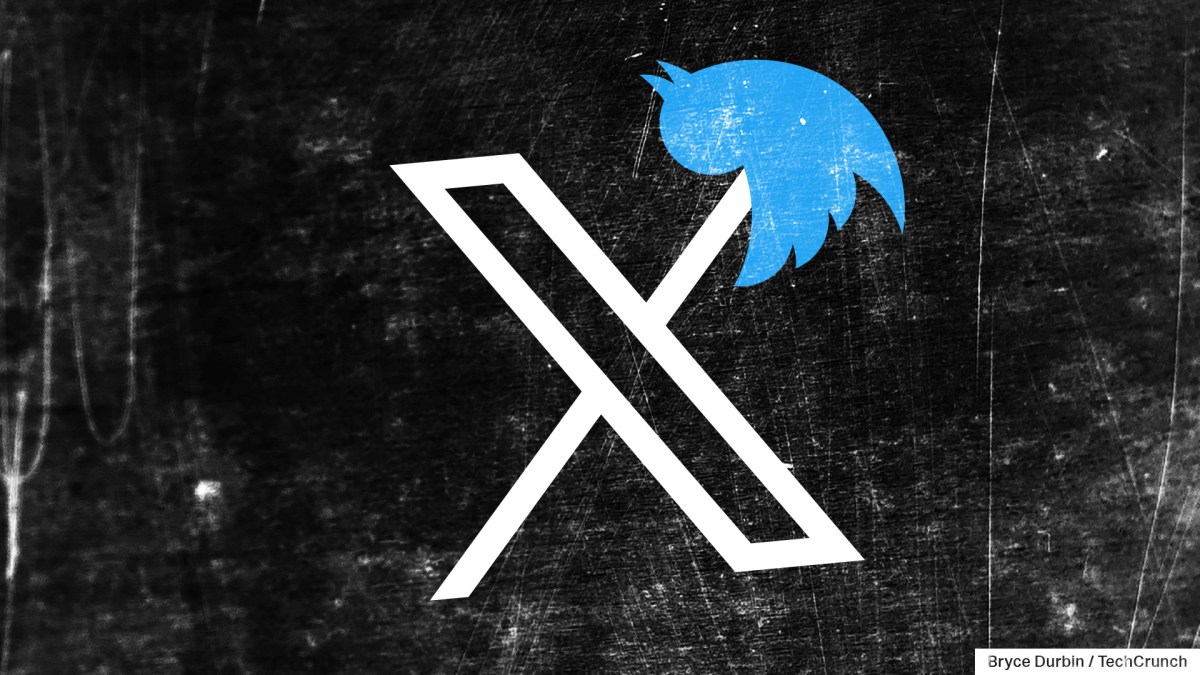
The ongoing legal skirmish between X (formerly Twitter) and a rival startup attempting to leverage the "Twitter" name highlights a fascinating, and increasingly common, challenge in the rapidly evolving digital landscape. A federal judge’s temporary injunction against the rival’s use of “Twitter” underscores the enduring power of established brands, even amidst significant platform shifts and rebranding efforts. However, the court’s finding that X likely abandoned the “Tweet” trademark and its iconic bird logo is equally significant, suggesting that even deeply ingrained brand elements aren’t immune to obsolescence when a company's strategy pivots dramatically. This situation resonates with recent observations about the fragility of startup ARR in the AI era, as detailed in Startup ARR is less secure than ever, new research shows, where shifting market dynamics and unpredictable customer behavior are proving particularly disruptive. The ease with which a competitor could challenge and, in essence, reclaim a piece of X’s legacy illustrates the precariousness of relying solely on brand recognition in a world where user behavior and platform preferences can change with astonishing speed.
The case also echoes trends we’re seeing elsewhere, such as TikTok's move to incorporate features from messaging apps, as reported in TikTok comments are getting more interactive with voice comments, polls, and more. Both scenarios demonstrate a willingness to adapt and even cannibalize existing brand elements to stay relevant. X’s decision to rebrand from Twitter, and its subsequent apparent lack of active defense of the “Tweet” trademark, feels like a strategic miscalculation. While the intent to distance the platform from its past might have seemed logical, it inadvertently created an opening for competitors to exploit. The startup’s quick pivot to Tweet.app, capitalizing on the court's ruling, is a testament to the agility that can thrive in the wake of such shifts. The Palo Alto Networks acquisition of Console, as described in Palo Alto Networks paid $500M for Thrive-backed Console, sources say, further exemplifies the current environment – established players aggressively acquiring innovative solutions to maintain market position, highlighting the speed of change within the tech sector.
The underlying lesson here is that brand management in the age of rapid technological transformation requires more than just trademark protection; it demands active stewardship and a clear understanding of user perception. Simply changing a name doesn’t automatically erase brand equity, and neglecting to actively defend associated trademarks can have significant consequences. X’s situation serves as a cautionary tale for any company undergoing a major rebranding effort: a name change should be accompanied by a comprehensive strategy to safeguard all related brand assets and proactively address potential challenges from competitors eager to fill the void. The ease with which the rival was able to seize upon the “Tweet” name demonstrates a vulnerability that could have been avoided with more diligent brand management.
Looking ahead, it will be fascinating to observe how the startup leverages its new identity and whether X attempts to reclaim the “Tweet” trademark in the future. This case underscores a broader shift in the digital landscape, where brand loyalty is increasingly fluid, and established players must constantly adapt to maintain their relevance. The question now becomes: will other companies learn from X's experience, or will we see more instances of valuable brand assets being left vulnerable in the relentless pursuit of innovation?
Read on the original site
Open the publisher's page for the full experience