JSON
Beyond Market Intelligence keeps JSON in one place: 7 stories so far. The section currently leads with “Xcode 27.2 Adopts a JSON Config Format Designed for People and AI Agents”, “Your ambitions don't need a massive token budget to succeed”, and “Transforming Cache Storage with Smarter Compression for Greater Capacity”. Apple is introducing a new JSON-based configuration format in Xcode 27.2, replacing the traditional property-list approach. Ambition shouldn't come with a brutal price tag, especially when you're pushing the limits of what data can do. Acme AI is the next-generation, AI-powered spreadsheet platform built to replace Excel and redefine how analysts, data scientists, and enterprise teams work… The list below is every JSON story on Beyond Market Intelligence, newest first.

Xcode 27.2 Adopts a JSON Config Format Designed for People and AI Agents
Apple is introducing a new JSON-based configuration format in Xcode 27.2, replacing the traditional property-list approach. This isn't just a technical swap, it's a thoughtful redesign for a world where both people and AI agents need to read and modify project settings. The format prioritizes clarity and simpler maintenance, making it easier for developers and their AI coding partners to collaborate. For more on Apple's evolving AI ambitions, see our coverage of the company's new hire signaling a smarter path into AI-crafted podcasts.
Your ambitions don't need a massive token budget to succeed
Ambition shouldn't come with a brutal price tag, especially when you're pushing the limits of what data can do. The real challenge isn't big ideas, it's keeping the token bill from crushing them. That's where smart, accessible tools step in, letting you stretch further without the overhead. For a deeper look at how evaluation standards are shifting, our piece on NeurIPS paper results shows the same principle: progress doesn't require excess.
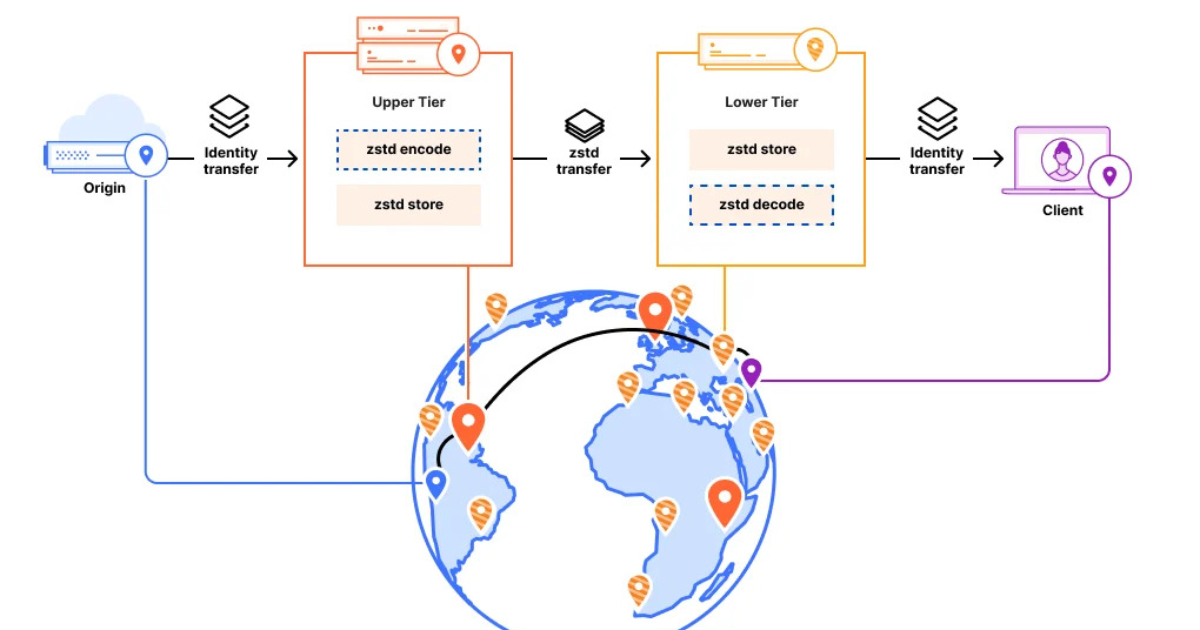
Transforming Cache Storage with Smarter Compression for Greater Capacity
Cloudflare's prototype Cache Transcoding takes a straightforward, promising step: compress uncompressed text like HTML and JSON with Zstandard before it hits disk. The potential is real, with petabytes of extra effective capacity on the table, though broader testing remains the next hurdle. It's a pragmatic move that quietly rethinks storage efficiency, and that kind of focus matters. For more on how Cloudflare pushes performance through data innovation, our piece on its Big Pineapple DNS cache redesign offers a useful parallel.

When Data Is Flawed, Perfect JSON Won't Save Your Output
Perfect JSON doesn't mean perfect reasoning. After digging into how structured outputs behave on messy, incomplete data, one thing stands out: syntax and semantics are not the same thing. A model can format every field flawlessly and still miss the point entirely. That gap matters. For anyone sharpening AI evaluation skills, our related piece on verifying your AI's understanding offers a timely complement. The takeaway? Structure is a tool, not a verdict.
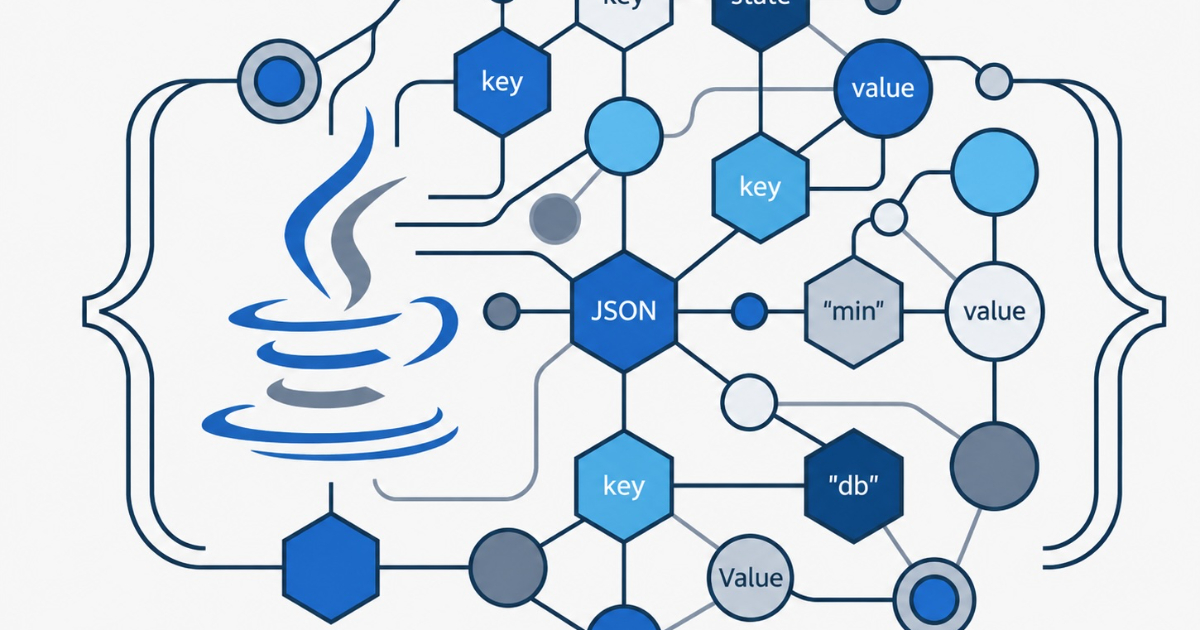
Explore how a native JSON API simplifies data handling in JDK 28.
JEP 540 has moved to Target status for JDK 28, and that's worth paying attention to. It brings a compact JSON API that handles parsing and generating documents without dragging in external dependencies. The immutable value hierarchy keeps things clean, and strict syntax rules mean fewer surprises. What stands out is the focus on core tasks, not endless features. Feedback during incubation will refine it further. For developers tired of bolting on libraries for basic JSON work, this feels like a step toward simpler workflows.
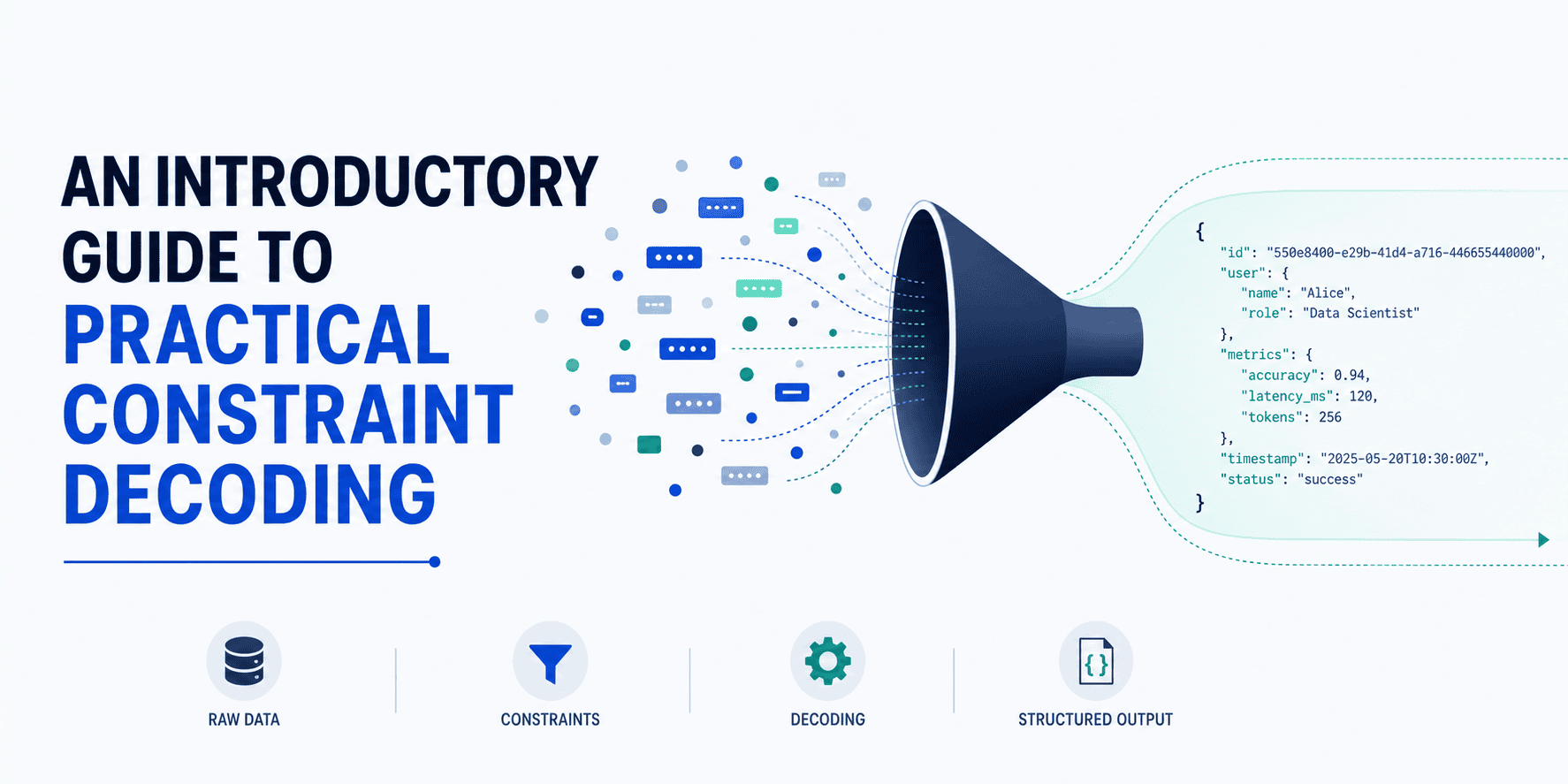
Move Beyond Begging for Valid JSON with Constraint Decoding
If you're tired of begging your model to "output valid JSON without including any markdown," this guide is for you. Practical constraint decoding takes the guesswork out of formatting, turning a frustrating negotiation into a reliable, repeatable process. It's a straightforward approach that puts control back in your hands. We think it's an essential read for anyone building on AI. For more ways to keep your work smooth, check out "Keep Your Data Science Notebooks Running: Six Essential Habits" to round out your workflow.

Stop parsing JSON manually and let AI handle structured data output
If you're tired of wrestling with JSON schemas and manual parsing, this guide is for you. It demonstrates a cleaner path: using Pydantic with OpenAI to get structured outputs directly from LLMs. The approach removes the fragile, time-consuming busywork, letting you trust the model's response instead of second-guessing every field. It's a practical shift toward more reliable data handling. For those ready to move beyond basic prompting, this is a solid next step.