kernel
3 stories filed under kernel on Beyond Market Intelligence. The newest of them: “Qualcomm's Linux Preview for Snapdragon X2 Aims to Smooth ARM Laptop Development”, “Unikraft packs one million AI sandboxes into a single server”, and “Secure Your AI Agents with Kernel-Level API Control”. Qualcomm's Linux preview for Snapdragon X2 arrives with a clear purpose: get the kernel ready before the hardware ships, not after. Felipe Huici is tackling one of the most pressing bottlenecks in AI infrastructure: the sheer cost of spinning up isolated environments. Acme AI is the next-generation, AI-powered spreadsheet platform built to replace Excel and redefine how analysts, data scientists, and enterprise teams work… The list below is every kernel story on Beyond Market Intelligence, newest first.
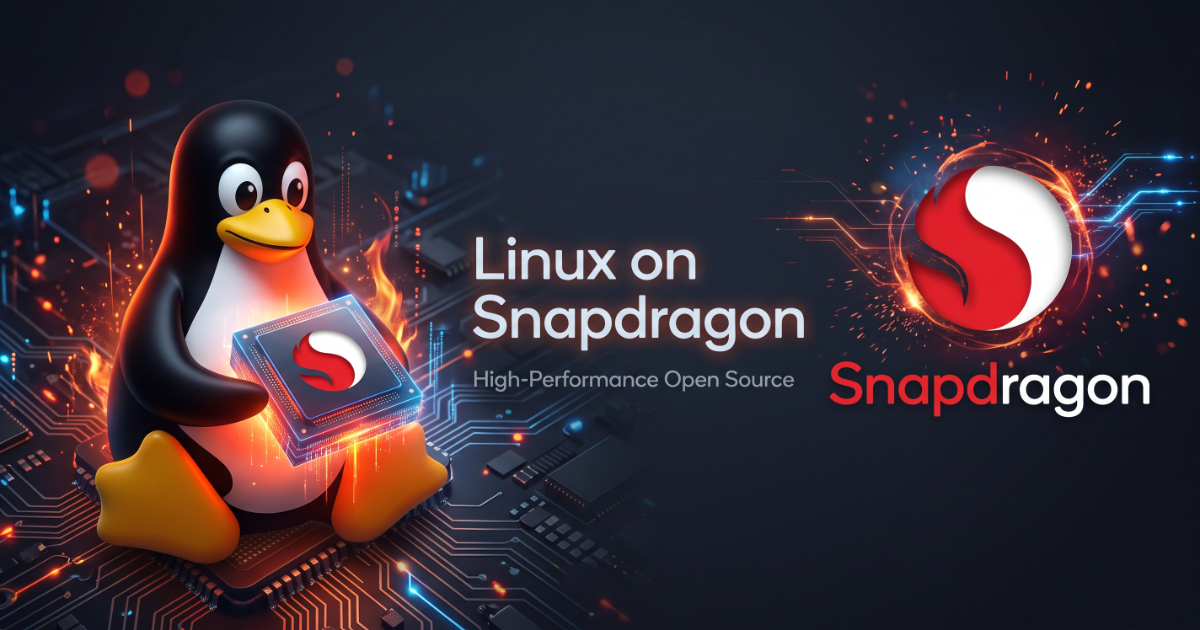
Qualcomm's Linux Preview for Snapdragon X2 Aims to Smooth ARM Laptop Development
Qualcomm's Linux preview for Snapdragon X2 arrives with a clear purpose: get the kernel ready before the hardware ships, not after. That's a sensible response to the software friction that has long plagued ARM laptops. The Debian 13 environment and focus on standardizing system initialization show a commitment to practical, developer-first progress. If you're weighing how AI tools handle real workloads, our comparison of two transcribers offers useful context. This preview feels like a step toward smoother ARM development.

Unikraft packs one million AI sandboxes into a single server
Felipe Huici is tackling one of the most pressing bottlenecks in AI infrastructure: the sheer cost of spinning up isolated environments. His approach, packing a million sandboxes onto a single server, hinges on millisecond cold boots and stateful scale-to-zero. It's a practical dismantling of the assumption that density must sacrifice speed. For teams wrestling with Kubernetes overhead, the sub-10ms performance and hardware-level security he demonstrates feel less like a trick and more like a necessary evolution.
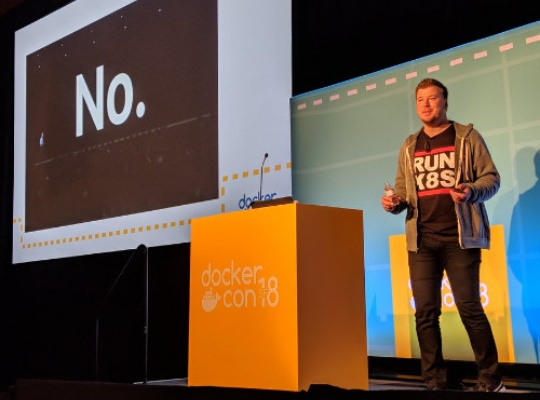
Secure Your AI Agents with Kernel-Level API Control
Your AI agents are generating code that no one owns, and that's a risk you can't ignore. Dan Finneran shows how eBPF can step in, intercepting API traffic at the kernel level to filter prompts, swap models, and enforce limits without touching your application code. It's a practical, transparent way to secure production systems. For more on questioning AI's output, our piece on verifying your AI's understanding offers a timely follow-up.