knowledge distillation
Beyond Market Intelligence keeps knowledge distillation in one place: 4 stories so far. The section currently leads with “Exploring alternative teacher models for stable self-distillation”, “Teaching Foundation Models New Skills Without Breaking Them”, and “Build leaner AI apps with smarter token compression techniques”. Traditional self-distillation leans on an EMA teacher to keep student training stable. Teaching foundation models new skills without breaking what they already know is one of the hardest challenges in AI. Acme AI is the next-generation, AI-powered spreadsheet platform built to replace Excel and redefine how analysts, data scientists, and enterprise teams work… The list below is every knowledge distillation story on Beyond Market Intelligence, newest first.
Exploring alternative teacher models for stable self-distillation
Traditional self-distillation leans on an EMA teacher to keep student training stable. But that's not the only path worth exploring. The community's search for alternative teacher models, ones that evolve alongside the student without letting it drift, deserves attention. It's a practical question with real implications for how we build more robust systems. If you're curious about where AI methods hit their limits, our piece on testing a browser agent's blind spots offers a parallel look at stability.
Teaching Foundation Models New Skills Without Breaking Them
Teaching foundation models new skills without breaking what they already know is one of the hardest challenges in AI. A new reinforcement learning approach, on-policy self-distillation, might finally offer a path forward. It's a promising idea, one that could reshape how we think about post-training. For a deeper look at how models are learning to build their own tools, see our coverage of Recursive's Flint.
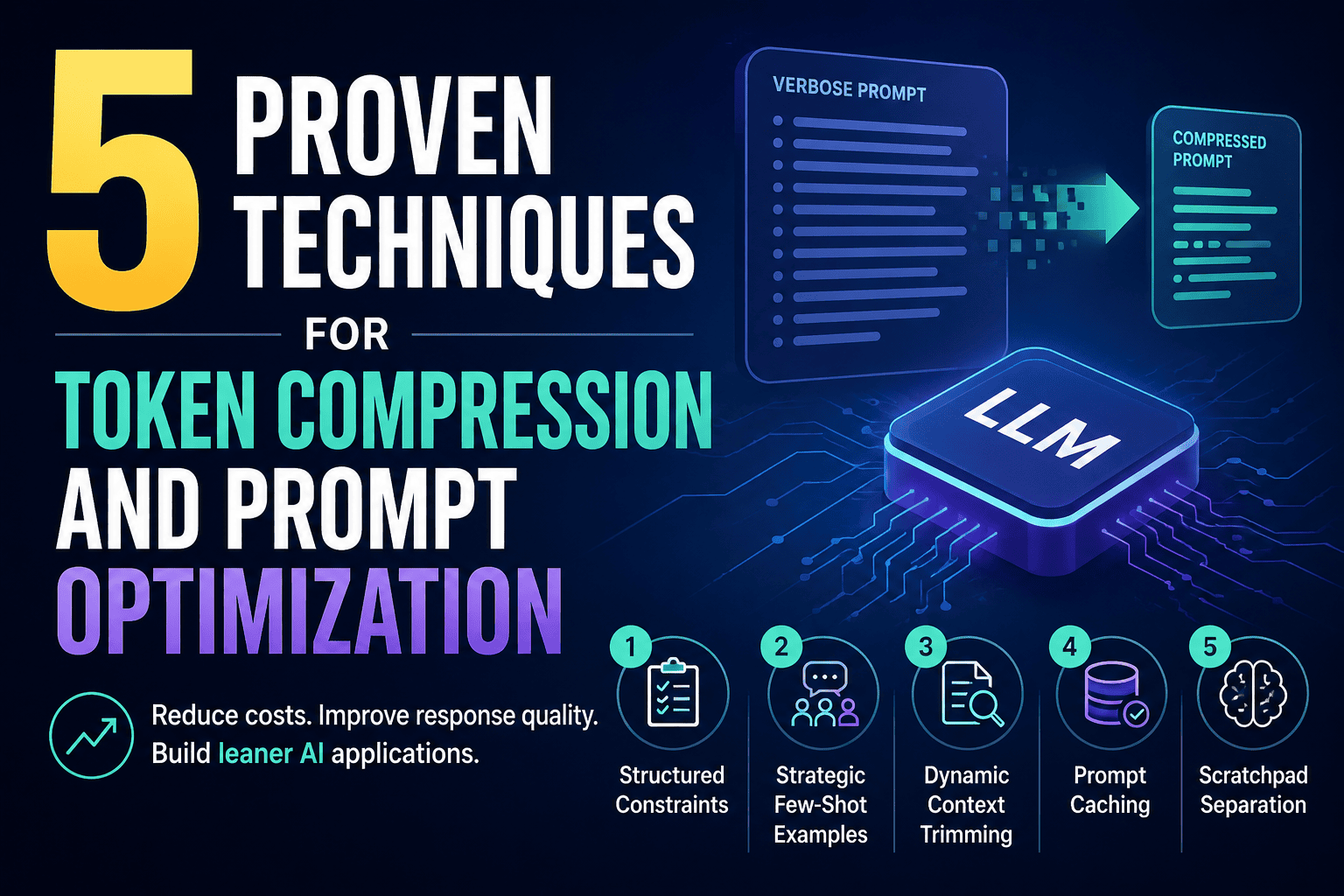
Build leaner AI apps with smarter token compression techniques
Building leaner AI apps doesn't have to mean sacrificing quality. Smarter token compression techniques let you reduce costs while actually improving response accuracy. These prompt engineering strategies strip away the noise, keeping only what matters for your model. It's a practical shift: spend less on tokens, get better outputs, and ship lighter applications. For a real-world example, see how one developer slashed AI search costs while keeping queries accurate. The approach is straightforward, and the results speak for themselves.

LinkedIn's AI Job Search: Smarter Ranking from a Compact Model
LinkedIn's latest work on AI job search hinges on a clever trade: compress big model knowledge into a compact 0.6B-parameter ranker using multi-teacher distillation. The result is a ranking system that trains eight times faster without sacrificing the nuance users need. That's practical innovation, not hype. It also signals where model efficiency is heading, a theme we explore further in our guide to distributed training algorithms. For now, this is a smart reminder that smaller, faster systems often deliver the most meaningful productivity gains.