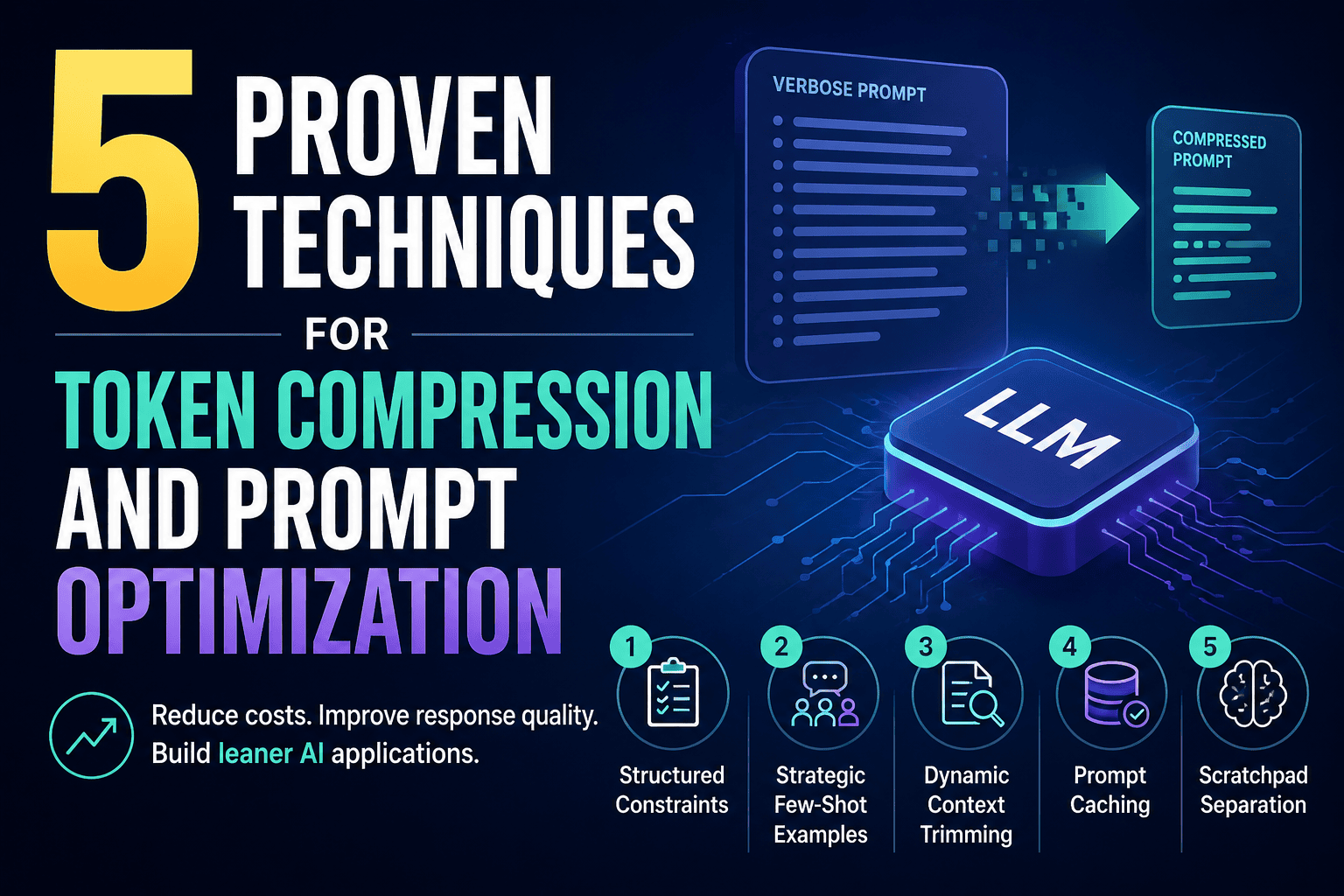
Token efficiency is not a footnote in AI development, it is the next frontier of practical engineering, and the strategies outlined in this piece on smarter compression techniques deserve serious attention from anyone building data-driven applications. The core insight is refreshingly direct: reducing the number of tokens your prompts consume does not mean sacrificing quality, and the methods described here show how to achieve both lower costs and sharper responses simultaneously. This is not abstract theory; it is a set of actionable techniques that can reshape how you deploy AI in your workflows.
Consider how this connects to what we have seen elsewhere. In How one developer slashed AI search costs while keeping queries accurate, a single developer proved that leaner prompts could maintain search precision while cutting expenses dramatically. That story was about one focused use case. This generalizes the lesson, offering a framework that applies across domains. Similarly, Rethinking the compute demands behind LLM post-training research highlights how researchers are questioning the assumption that more compute always yields better results. Token compression fits into that same rethinking: smarter input design reduces waste at the front end, before the model even begins processing. When you combine these perspectives, a clear pattern emerges. The most effective AI builders are not chasing raw power; they are optimizing the interface between human intent and machine reasoning.
For our readers, the practical takeaway is immediate and specific. You should audit your current prompts for token redundancy, particularly in system instructions and repeated context. Concrete strategies for doing this are provided, from compressing historical data to restructuring multi-turn conversations. Implement even one of these techniques, and you will likely see a measurable drop in API costs without degrading output quality. This is not about making trade-offs; it is about eliminating inefficiency. The developers who adopt these methods will build applications that are faster, cheaper, and more responsive to user needs.
The open question that remains is how far token compression can scale. As models evolve and context windows grow, will these techniques remain effective, or will new paradigms demand different approaches? Pay close attention to how tooling evolves around prompt engineering in the next six months. The teams that master compression today will be the ones defining best practices tomorrow.