Knowledge Retrieval
Beyond Market Intelligence keeps Knowledge Retrieval in one place: 5 stories so far. The section currently leads with “Uncover Retrieval Weaknesses: Test Your RAG Pipeline Now”, “Smaller model, sharper reasoning: 44M parameters trained from scratch on CPU”, and “Evolving AI: Lessons from Building Intelligent Enterprise Systems”. Your evaluation set has a blind spot, and it's costing you. Three weeks ago, SHADOW-250M proved a 60 MB model could retrieve records from disk. Acme AI is the next-generation, AI-powered spreadsheet platform built to replace Excel and redefine how analysts, data scientists, and enterprise teams work… The list below is every Knowledge Retrieval story on Beyond Market Intelligence, newest first.
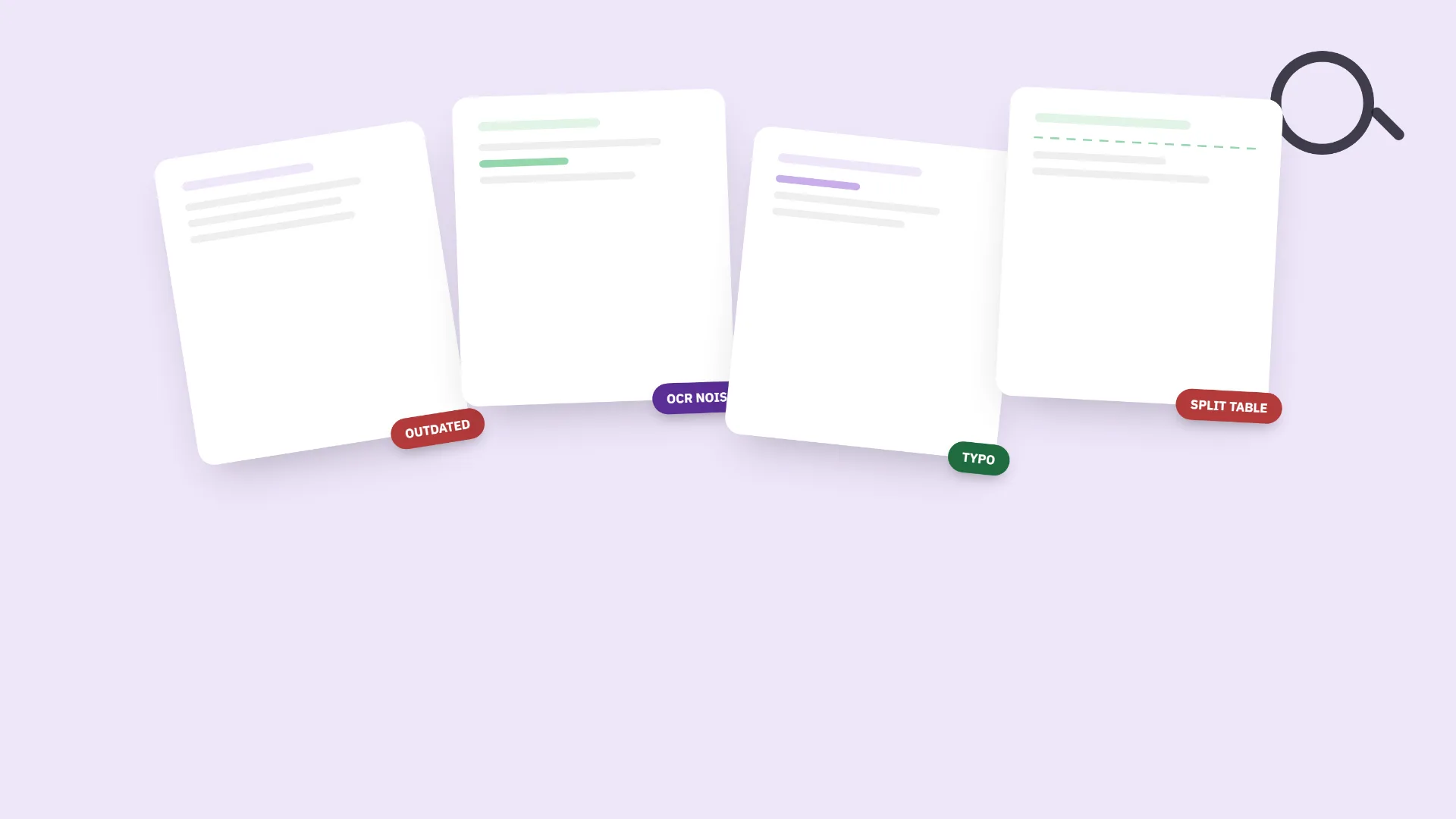
Uncover Retrieval Weaknesses: Test Your RAG Pipeline Now
Your evaluation set has a blind spot, and it's costing you. A small adversarial test set can expose retrieval failures your standard checks never touch, revealing exactly where your RAG pipeline stumbles under real-world pressure. This approach isn't about adding more data; it's about testing smarter. We think that's a practical, necessary step for anyone serious about reliability. For a deeper dive into how these systems hold up, our guide, "Verify Your AI's Understanding: A Simple Check for Tax Season," offers a useful parallel.
Smaller model, sharper reasoning: 44M parameters trained from scratch on CPU
Three weeks ago, SHADOW-250M proved a 60 MB model could retrieve records from disk. Now, SHADOW-50M pushes the same idea further: 44M parameters, 19.8 MB, and roughly 1,900 tokens per second on a laptop CPU. It reasons over what it retrieves, runs arithmetic through a fixed circuit, and answers from memory without re-reading source text. It loses to larger models on standard benchmarks, and the author says so plainly.
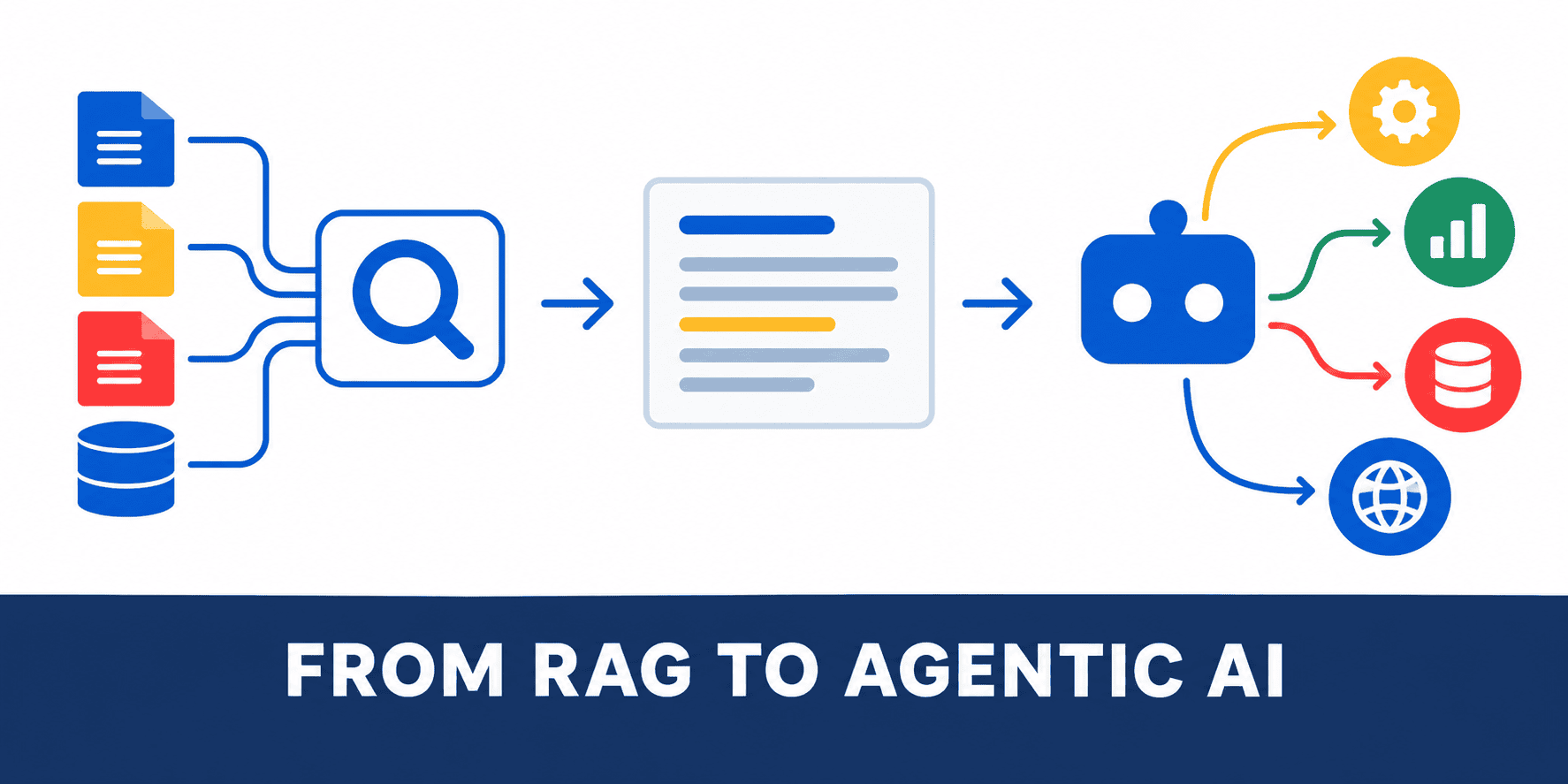
Evolving AI: Lessons from Building Intelligent Enterprise Systems
Three generations of intelligent retrieval systems is a long arc to trace, and the lessons are tangible. Each iteration tackled a constraint the previous one couldn't crack, which is exactly how progress should feel: deliberate, not chaotic. This is a story about persistence in engineering, and it's worth reading. For those curious about the underlying mechanics, our guide to distributed training offers a practical entry point. But start here, where the real-world friction meets the fixes.

Turn One Messy Question Into Four Clear Signals for Smarter RAG
A single messy question string hides a lot of structure. This piece breaks down how question parsing turns that raw input into four typed fields, each one feeding a distinct downstream call for retrieval and generation. It is a practical, grounded look at making RAG systems less brittle and more intentional. If you are still wrestling with vague prompts, this is worth your time. For more on how LLMs navigate structure, explore our related piece on paragraph structure.

Better retrieval means less hallucination: the foundation of trustworthy AI
If a model is inventing answers, the problem often isn't the model. It's the retrieval brick feeding it scraps. When the right context never surfaces, the model fills the gaps with plausible fiction. That's why fixing retrieval matters more than tweaking prompts. Garbage in, garbage out applies here with precision. We respect the logic: give the model nothing to invent, and hallucinations lose their fuel.