legislation
6 stories filed under legislation on Beyond Market Intelligence. The newest of them: “California law now requires influencers to clearly label paid political posts.”, “AM radio mandate moves forward with bipartisan House support”, and “OpenAI shifts stance, urges California to refine its AI safety bill”. California just made it clear: paid political posts need a label, or there's a fine waiting. The House just voted to make AM radio standard in new cars, and it's a win for practical resilience. Acme AI is the next-generation, AI-powered spreadsheet platform built to replace Excel and redefine how analysts, data scientists, and enterprise teams work… The list below is every legislation story on Beyond Market Intelligence, newest first.

California law now requires influencers to clearly label paid political posts.
California just made it clear: paid political posts need a label, or there's a fine waiting. The new law gives existing disclosure rules real teeth, targeting influencers who profit from politics without playing by the same rules as traditional advertisers. That's a sensible step toward transparency, especially when sponsored content can blur into genuine opinion. It doesn't kill influence; it just makes it honest.

AM radio mandate moves forward with bipartisan House support
The House just voted to make AM radio standard in new cars, and it's a win for practical resilience. Lawmakers on both sides saw the value in keeping a free, reliable channel for emergency alerts and local connection. It's not about nostalgia; it's about ensuring drivers aren't locked out of vital information. This move feels refreshingly grounded. For more on how tech and transportation are colliding, our piece on Tesla Semi's production ramp-up offers a fitting look at the industry's momentum.

OpenAI shifts stance, urges California to refine its AI safety bill
OpenAI's reversal on SB 53 is a pragmatic shift, not a contradiction. The company once opposed the bill, but now it's asking California to make the rules stricter, a move that signals a mature acknowledgment of AI's real-world risks. It's easy to dismiss this as political maneuvering, but the underlying message is clear: safety frameworks need teeth, not just intentions. For users navigating this space, it's a reminder that even the builders are pushing for guardrails.
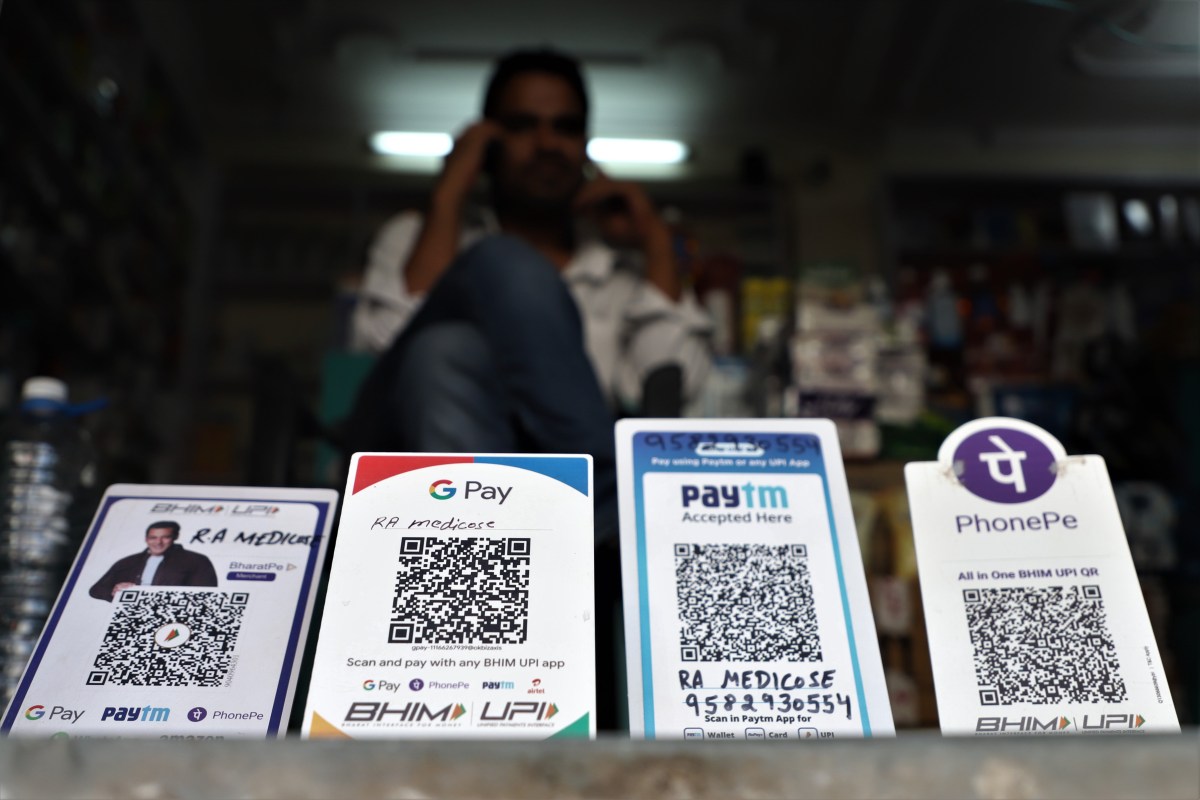
India rethinks UPI's free model with new payment framework
India's instant payments network is heading toward a defining moment. New legislation lays the groundwork for reworking the zero-merchant-discount-rate regime, the policy that has let businesses accept UPI payments without fees since 2020. That's a significant shift, and it's one worth watching closely. A sustainable business model could strengthen the ecosystem, but the transition needs care to protect the accessibility that made UPI so widely adopted.

New federal bill seeks national safety standards for autonomous vehicles
A new bill from Rep. Kevin Mullin (D-California) would push federal regulators to set minimum national safety standards for autonomous vehicle operators. It's a direct response to fresh scrutiny over how robotaxi services like Waymo handle emergencies. This feels like a necessary step, not a setback. The technology holds real promise, but public trust depends on clear, enforceable rules. If you're following Waymo's rapid growth, including its recent Texas expansion, this conversation becomes even more urgent.

Australia leads a growing movement to limit social media for youth
Australia just became the first country to ban social media for children, a decisive step to curb cyberbullying, addiction, and predator risks among young users. It's a bold move that reframes how we protect kids online, though the real test lies in enforcement and adaptability. For context on how platforms are reacting, our piece on Meta reversing its stance on a Musk documentary shows the industry's shifting priorities.