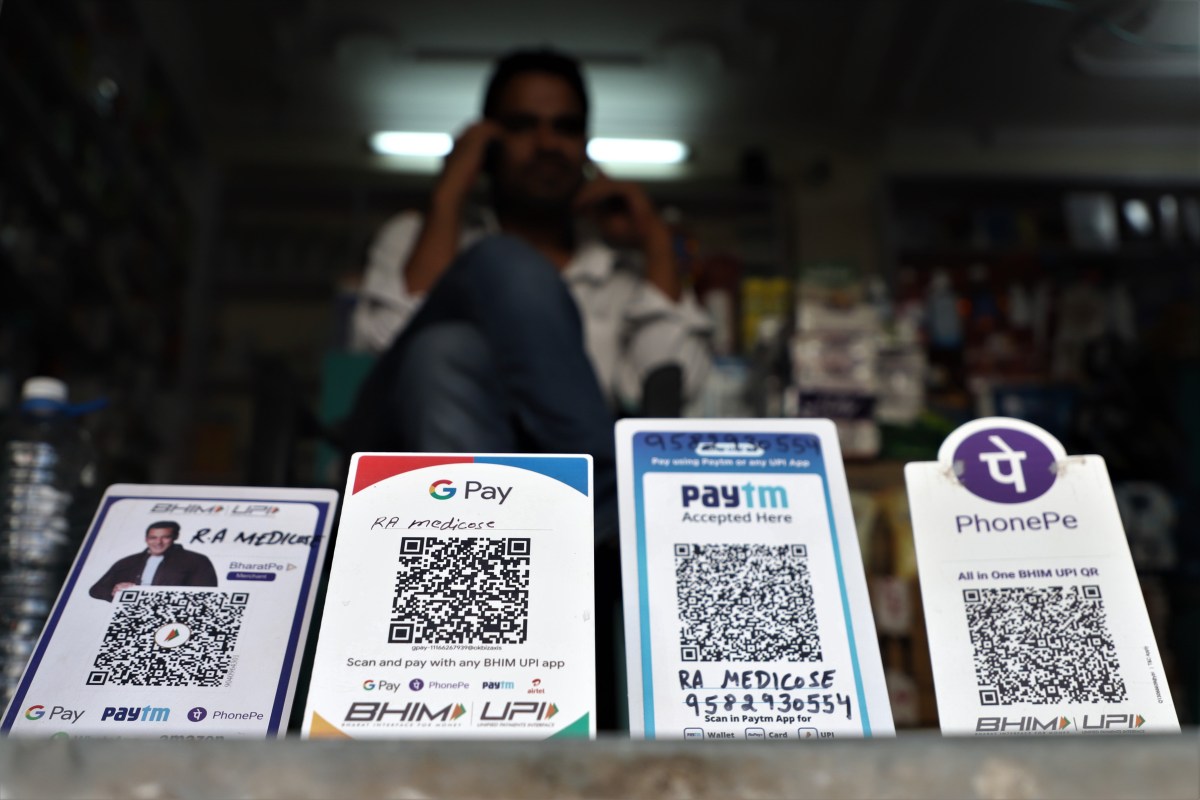
India's move to give its instant payments network a viable business model is one of those quiet structural shifts that could reshape how millions of small businesses operate. Since 2020, the zero-merchant-discount-rate regime has made UPI a public utility in all but name: free for businesses to accept, and therefore indispensable. But free is not a strategy. It is a subsidy, and subsidies eventually hit a ceiling. The legislation laying the groundwork for change signals that the era of indefinite zero-cost payments may be ending, and that is not a bad thing. It is an overdue recognition that infrastructure needs maintenance, and maintenance needs funding.
For our readers, especially founders and operators who have built their cash flow around UPI's zero-fee structure, this is the moment to start modeling what a small fee might do to unit economics. The instinct will be to resist any cost, and rightly so. But the alternative is a system that stagnates under its own success. Consider how Wahlberg and Lee to Discuss Investing, Entrepreneurship at Disrupt 2026 frames the value of investor discipline: capital works when it is deployed with intent. A paid-for UPI can be the same, as long as the fees translate into better uptime, faster settlements, and stronger fraud controls. If the National Payments Corporation of India and its partner banks use this as a license to improve the rails, then a small per-transaction cost is a fair trade.
The more interesting question is what this means for the broader fintech ecosystem, particularly in the context of foreign investment. Lightspeed Accelerates India AI Investments with New $250M Fund shows that global capital is paying close attention to India's digital infrastructure, and a sustainable UPI model could be the signal they need to double down. Investors do not fear fees; they fear fragility. A payments network that runs on zero revenue is a liability, not an asset. If India can transition UPI from a loss leader into a self-sustaining platform, it becomes a more attractive bet for the same venture funds that are already scouting for AI and fintech opportunities. That is the connection worth watching: not whether merchants will pay, but whether the resulting revenue makes the entire stack more investable.
Our take is straightforward: this legislation is not a tax on progress, it is a bet on maturity. The days of pretending that infrastructure can be both world-class and free are over. For business owners, the practical move is to audit your payment flows now, not after the fees land. For investors, this is a signal that India is serious about building durable digital public goods. The detail to watch is how the fee structure is designed. If it is tiered and transparent, it will be adopted. If it is opaque or punitive, it will invite backlash. The next few quarters will tell us which path India chooses, and that outcome will ripple far beyond any single transaction. That is the point where the conversation should begin, not end.