Linux
Linux at Beyond Market Intelligence is a file of 5 stories. The newest of them: “Qualcomm's Linux Preview for Snapdragon X2 Aims to Smooth ARM Laptop Development”, “CERN Chooses Debian for Accelerator Controls Over Red Hat's Restrictive Mandates”, and “Bridge iOS and Linux workflows with secure, open-source continuity tools.”. Qualcomm's Linux preview for Snapdragon X2 arrives with a clear purpose: get the kernel ready before the hardware ships, not after. CERN's engineers aren't clinging to legacy for nostalgia; they're making a calculated stand. Acme AI is the next-generation, AI-powered spreadsheet platform built to replace Excel and redefine how analysts, data scientists, and enterprise teams work… The list below is every Linux story on Beyond Market Intelligence, newest first.
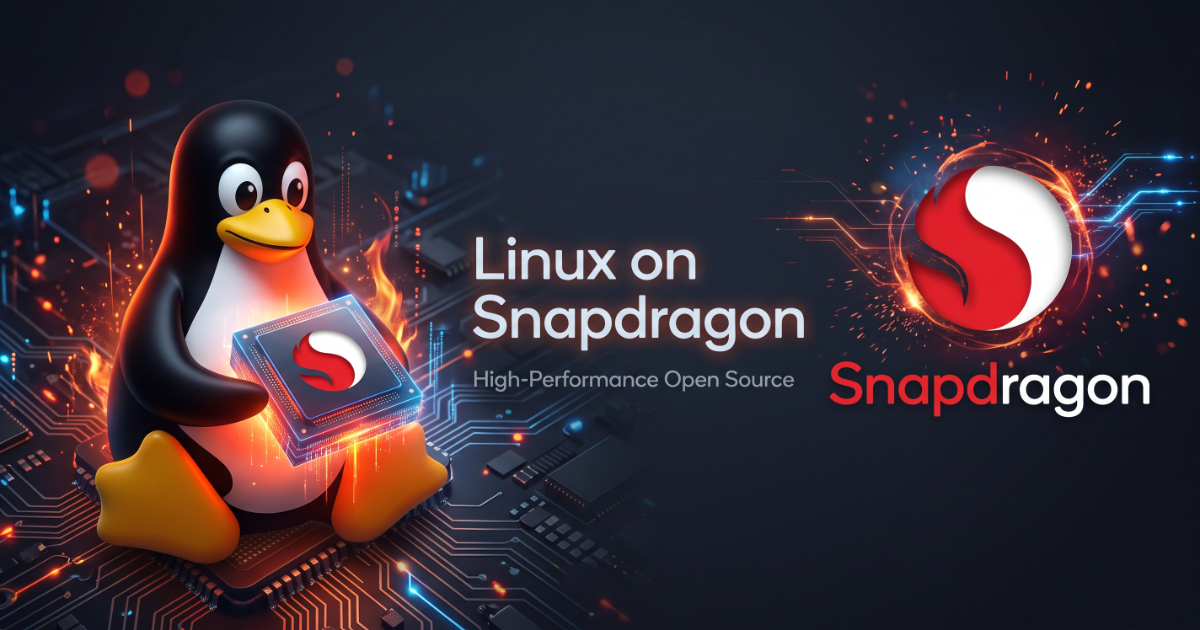
Qualcomm's Linux Preview for Snapdragon X2 Aims to Smooth ARM Laptop Development
Qualcomm's Linux preview for Snapdragon X2 arrives with a clear purpose: get the kernel ready before the hardware ships, not after. That's a sensible response to the software friction that has long plagued ARM laptops. The Debian 13 environment and focus on standardizing system initialization show a commitment to practical, developer-first progress. If you're weighing how AI tools handle real workloads, our comparison of two transcribers offers useful context. This preview feels like a step toward smoother ARM development.
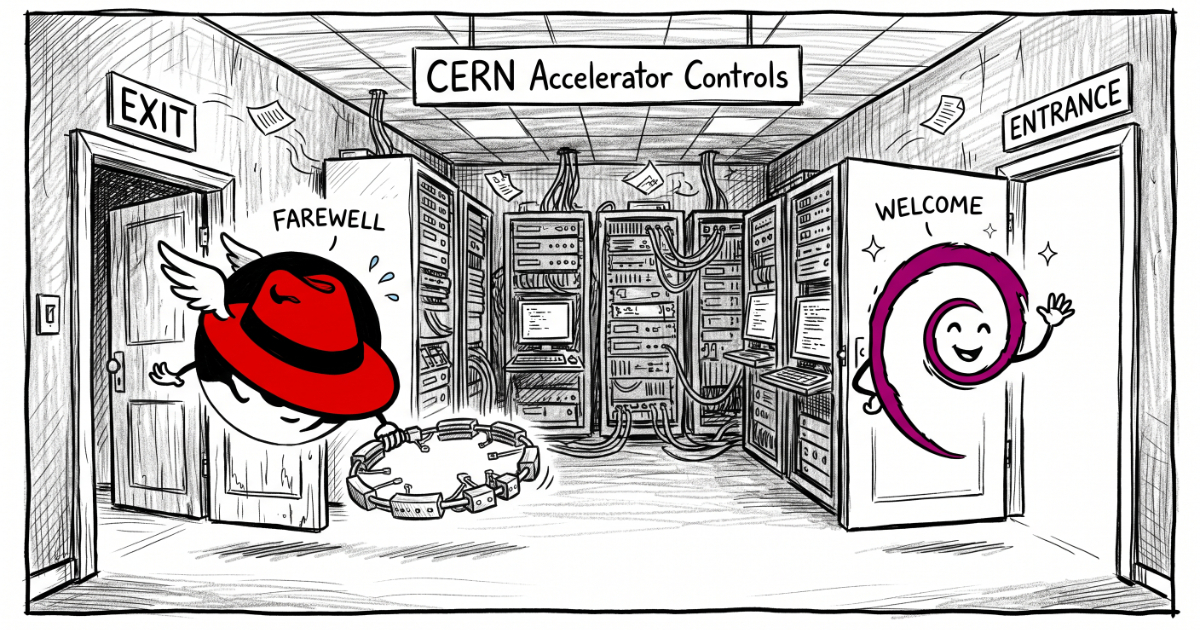
CERN Chooses Debian for Accelerator Controls Over Red Hat's Restrictive Mandates
CERN's engineers aren't clinging to legacy for nostalgia; they're making a calculated stand. By moving 2,200 specialized control machines from Red Hat to Debian, they're prioritizing hardware longevity over vendor mandates. Red Hat's tightening compiler rules forced the issue, and CERN responded with a pragmatic pivot. It's a quiet but telling vote for flexibility, and the late 2026 deadline shows careful planning. For more on how infrastructure decisions ripple outward, our piece on bridging retrieval and action in AI tasks offers a fitting parallel.

Bridge iOS and Linux workflows with secure, open-source continuity tools.
If you're tired of juggling your iPhone and Linux machine, Zack Bartel's open-source Tether project is worth a look. It brings Apple's Continuity features to Linux desktops, enabling iMessage sending, clipboard syncing, and iOS notification mirroring over a secure local network. The custom Bluetooth stack is a thoughtful touch, prioritizing reliability without compromising security. It's a practical step toward a more connected, cross-platform workflow. For more on bridging digital gaps, our piece on connecting retrieval and action in AI tasks offers a complementary perspective.

Perplexity brings its AI agent home, running locally on Nvidia hardware you own
Perplexity is taking its agentic platform off the cloud and onto your desk, and the move feels less like a stunt and more like a quiet turning point. Portable Computer, built with Nvidia, runs entirely on hardware you already own, starting with the DGX Spark and RTX-equipped Linux machines. The pitch is refreshingly direct: your files, your models, and your work stay local, and the credit counter stays parked at zero.

OpenAI expands ChatGPT access with a native Linux desktop app
Linux users have waited a long time for this. OpenAI is finally bringing a dedicated ChatGPT desktop app to Linux operating systems, a move that acknowledges a community often left out of mainstream software rollouts. For those who live in terminals and open-source ecosystems, this isn't just convenient; it's a sign that AI tools are becoming more accessible where the work actually happens. It's a practical step forward, and we're glad to see it.