local LLM
local LLM at Beyond Market Intelligence is a file of 8 stories. The newest of them: “Stop Waiting for Answers Your Local Model Already Knows”, “Upgrade your embedding model across a billion documents without downtime.”, and “Decode Any LLM Model Name and Choose With Confidence”. Waiting seconds for an answer your local model has already figured out hundreds of times is a familiar frustration. Upgrading an embedding model usually means a brutal choice: serve stale vectors or spend 108 days on backfill. Acme AI is the next-generation, AI-powered spreadsheet platform built to replace Excel and redefine how analysts, data scientists, and enterprise teams work… The list below is every local LLM story on Beyond Market Intelligence, newest first.
Stop Waiting for Answers Your Local Model Already Knows
Waiting seconds for an answer your local model has already figured out hundreds of times is a familiar frustration. shad0v solves that by sitting in front of any OpenAI-compatible server, logging responses, and after roughly a thousand, compiling a tiny table that answers repeats on CPU in microseconds, only when it agrees with the model 95% of the time. It even learned Snake from an LLM's moves.
Upgrade your embedding model across a billion documents without downtime.
Upgrading an embedding model usually means a brutal choice: serve stale vectors or spend 108 days on backfill. The team behind embedflow found a smarter path. By reranking just 50 documents from the old index against the new model, they matched native retrieval quality. That is a practical shortcut, not a theoretical one. They tested it across 63 migrations, and the results hold up. If you are wrestling with vector upgrades, this is worth exploring.
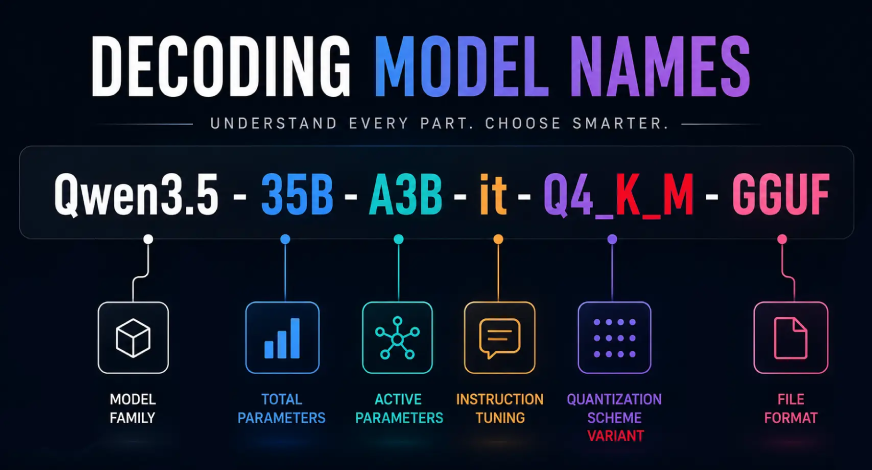
Decode Any LLM Model Name and Choose With Confidence
Qwen3.8-27B-A3B-It-2507-gguf-q2ks-mixed-AutoRound looks like random noise at first. It isn't. Each segment in that string tells you something concrete: model size, architecture, activation pattern, even quantization. That's the kind of clarity users need when choosing a local LLM. This guide breaks the shorthand down piece by piece, turning confusion into confidence. If you're also curious how models structure their thinking, our piece on exploring paragraph structure in token space pairs well with this. Start decoding, and make your next download an informed one.
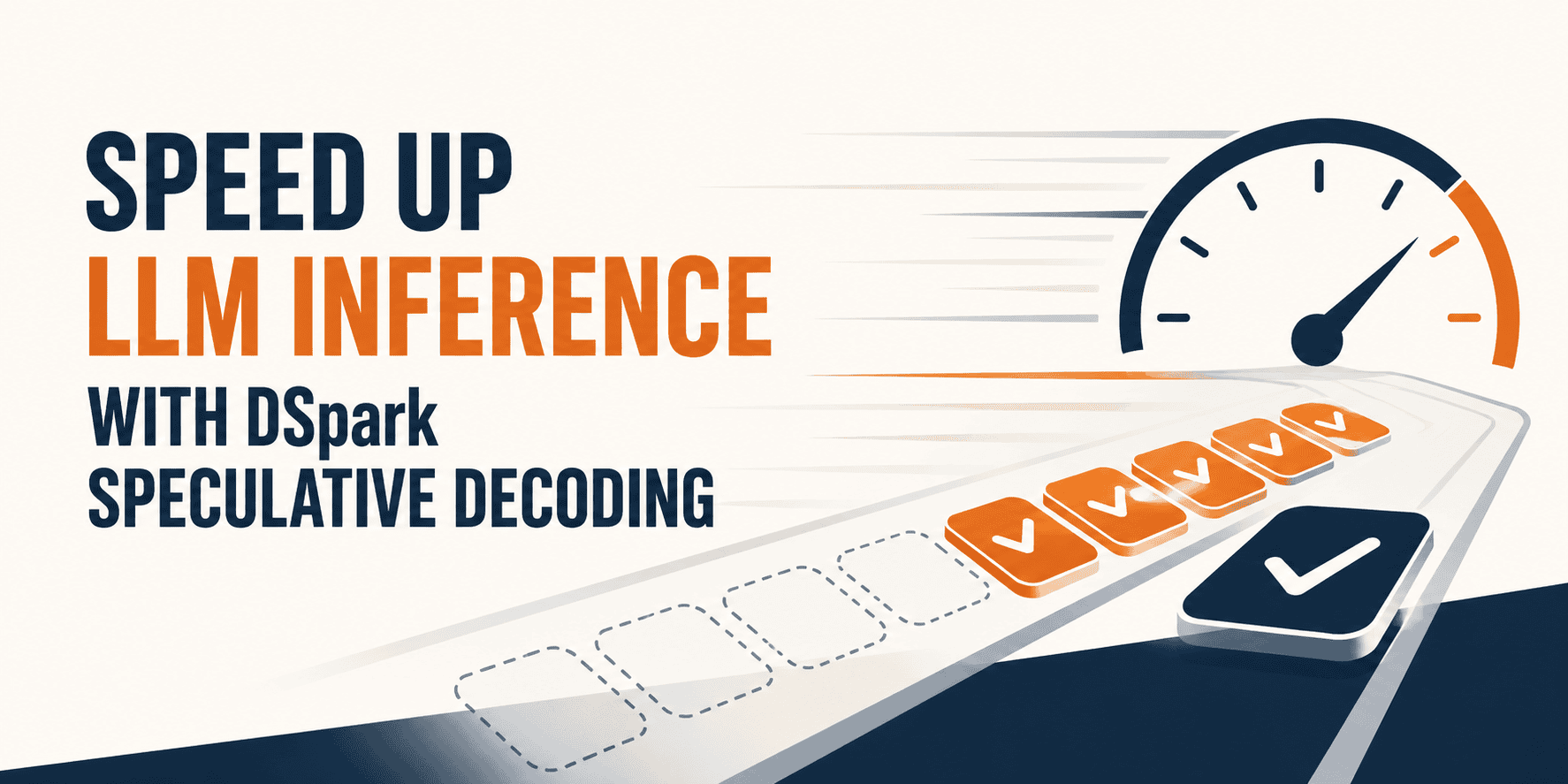
Unlock faster local LLM inference with DSpark speculative decoding
Waiting for the local model to generate its next token can feel like watching paint dry. DSpark speculative decoding changes that. By using a smaller draft model to propose candidates and the larger Qwen3-8B to verify them, it accelerates generation on the same GPU. We appreciate that this works directly with llama.cpp and CUDA, making it practical for your own hardware. It is a straightforward approach to reclaiming speed. For more on the broader concepts, our guide to distributed training is a helpful companion.

Explore how local AI turns images into structured data with Gemma 4
Gemma 4 and Ollama bring image inputs and structured outputs together in a local setup, and that combination is worth exploring. It's a practical step toward multimodal workflows without relying on cloud dependencies. The process feels more accessible than you might expect, which is exactly the kind of progress that matters. If you're curious about how these pieces fit, this guide walks through it clearly.

Testing Local LLMs Against a 90-Tool Personal Assistant
Twenty-seven production tasks. Two local models. One hardware upgrade. That is the experiment at the heart of this piece, and the results are telling. The question is not whether local AI can match Claude feature-for-feature, but what it truly takes to replace the brain behind a 90-tool personal agent. The answer, unsurprisingly, is nuanced. For anyone questioning their own AI dependencies, this is a grounded, practical read.

The True Energy Cost of Running Local LLMs on Apple Silicon
Five models, sustained generation, and a wall-socket meter don't lie: running a local LLM on Apple Silicon has a real, measurable price. This piece puts actual wattage under scrutiny at $0.31/kWh, and the findings land with more weight than the RTX-3090 numbers hinted at. We appreciate the rigor here; it turns vague claims into a practical cost conversation. For those ready to move beyond basics, our guide to distributed algorithms offers a natural next step.

Your Local LLM Costs Less Than You Think, and Size Isn't the Reason
The cheapest local model isn't the smallest, and the priciest isn't the biggest. That's the takeaway from a hands-on measurement of eight models running on a single RTX 3090, where actual GPU electricity costs were tracked in euros per million tokens. It's a grounded, useful reality check for anyone exploring local AI. If you're weighing similar tradeoffs in your own workflow, our piece on verifying your AI's understanding offers another practical angle worth your time.