manufacturing
manufacturing at Beyond Market Intelligence is a file of 32 stories. The newest of them: “How Tesla Megapacks power SpaceX's expanding energy needs”, “Beyond the Model: The Human Work That Powers Supply Chain AI”, and “AI demand tightens memory supply, raising device costs through 2028”. SpaceX has poured $329 million into Tesla Megapacks so far this year, and that number says more than any press release could. The engine stalled mid-route, and the spreadsheet that should have flagged the issue sat silent. Acme AI is the next-generation, AI-powered spreadsheet platform built to replace Excel and redefine how analysts, data scientists, and enterprise teams work… The list below is every manufacturing story on Beyond Market Intelligence, newest first.
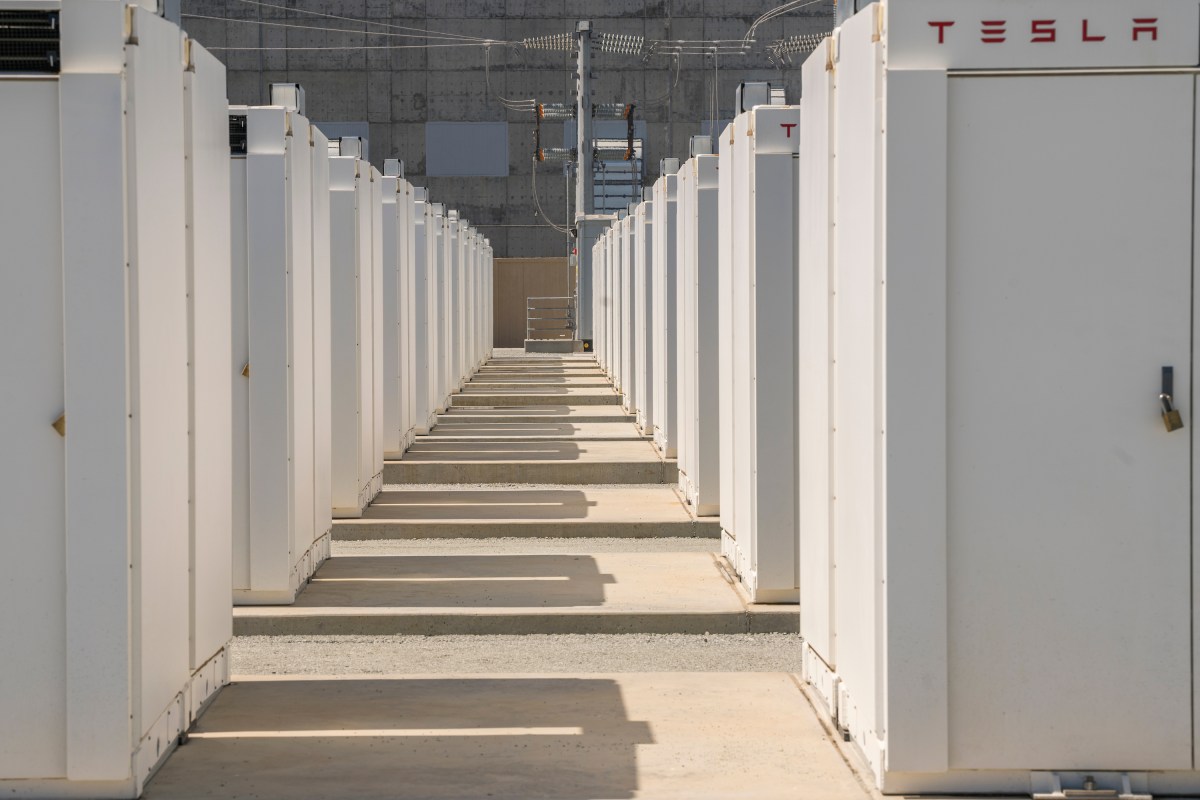
How Tesla Megapacks power SpaceX's expanding energy needs
SpaceX has poured $329 million into Tesla Megapacks so far this year, and that number says more than any press release could. It shows how naturally Elon Musk's companies feed each other, not as a gimmick, but as a practical engine for progress. When one arm needs serious storage, another steps up with the hardware. That kind of interdependence is worth watching, especially as Tesla Semi Production Ramps Up elsewhere. Explore how these threads weave together; the connections are where the real momentum lives.

Beyond the Model: The Human Work That Powers Supply Chain AI
The engine stalled mid-route, and the spreadsheet that should have flagged the issue sat silent. That moment reveals the real work of a Forward-Deployed Engineer: not building the model, but untangling the messy, human systems around it. In one supply chain project, the AI was the easy part; the hard part was embedding it where decisions actually happen.

AI demand tightens memory supply, raising device costs through 2028
Samsung's own forecast points to a memory shortage that tightens through 2027 and stretches into 2028. That is not a blip; it is the shape of AI data center demand colliding with constrained supply, and it will push component costs upward. For anyone tracking how these pressures ripple into retail device prices, this is the story to watch. It also echoes themes we explored in "Navigating AI/ML Job Requirements: A Shift in Expected Skills," where AI's appetite reshapes more than just hardware.

Tesla hits 10 million EVs, marking a key step toward Musk's pay goal.
Tesla just rolled its 10 millionth electric vehicle off the line, a quiet but significant marker. That puts the company halfway toward one of the four core goals Elon Musk must hit to unlock his full $1 trillion pay package. It's a concrete sign of scale, not hype. For anyone watching the broader EV push, this is momentum worth tracking. And if you're following Tesla's logistics, our piece on the Semi production ramp-up pairs well with this milestone.

New import ban reshapes access to humanoid robots and solar tech
The U.S. government has banned new foreign-made humanoids, robot dogs, and solar inverters, citing national security risks. It's a decisive move that largely targets imports from China, which dominates production in these categories. We see this as a necessary step toward securing critical infrastructure, even if it disrupts supply chains. For a closer look at how automation is evolving elsewhere, check out our piece on "Automate Pipefitting Tasks with a Compact, AI-Powered Robot." The landscape is shifting, and we're tracking what it means for you.

Tesla's revenue climbs but costs surge as new product timelines stretch
Tesla's revenue climbed 26%, but that momentum is being swallowed by surging costs as the company pours capital into Cybercab, Semi, and Megapack production. The challenge is clear: scaling next-generation products demands serious spending, and timelines are slipping. It's a familiar tension for a company moving fast, yet the market will want clarity on when these bets pay off. For deeper context on how AI-native infrastructure investments are reshaping industries, our piece on Nscale's recent funding offers a useful parallel.

Sila secures $300M to scale battery materials for over 100,000 EVs
Sila's fresh $300 million round is a clear signal that the EV market's momentum isn't fading. The funding will let the company scale its silicon-carbon anode material production, enough to power over 100,000 electric vehicles. That's not just a win for Sila; it's a step toward making batteries more efficient and accessible. While others hesitate, Sila is doubling down on the fundamentals. For more on how AI-native companies are attracting serious capital, check out our piece on the $5.75B investment surge.

One wire harness startup aims to modernize aerospace manufacturing.
A SpaceX veteran just raised $65 million to modernize the wiring that powers rockets, missiles, and satellites. It's a fascinating bet on the unglamorous hardware behind aerospace, pulling harnesses out of the Cold War era and into something more efficient. The scale feels overdue. For context on how AI is reshaping critical infrastructure, our piece on Anthropic exploring Akamai's cloud for AI-native workloads offers a useful parallel. This isn't flashy, but it's where real progress often hides.