model accuracy
Beyond Market Intelligence keeps model accuracy in one place: 5 stories so far. The section currently leads with “Choosing the Right Causal Model When Truth Is Unseen”, “When you shift marketing spend, does your MMM finally tell the truth?”, and “Why Every Hallucination Detector Misses a Simple Number”. Causal inference models carry a hidden risk: you can never see the true effect, yet you still have to pick one. A shift in marketing spend timing can expose an MMM's blind spots, because the model only learns from data that never held the right answers. Acme AI is the next-generation, AI-powered spreadsheet platform built to replace Excel and redefine how analysts, data scientists, and enterprise teams work… The list below is every model accuracy story on Beyond Market Intelligence, newest first.
Choosing the Right Causal Model When Truth Is Unseen
Causal inference models carry a hidden risk: you can never see the true effect, yet you still have to pick one. This simulation makes that tension concrete. Difference-in-differences overestimated a 10% impact by more than double, while synthetic control landed far closer. The fix isn't a better algorithm, it's a placebo test. Running an A/A check on pre-treatment data exposes which model carries the least error before you trust it in the wild. That workflow, not any single method, is the durable lesson.
When you shift marketing spend, does your MMM finally tell the truth?
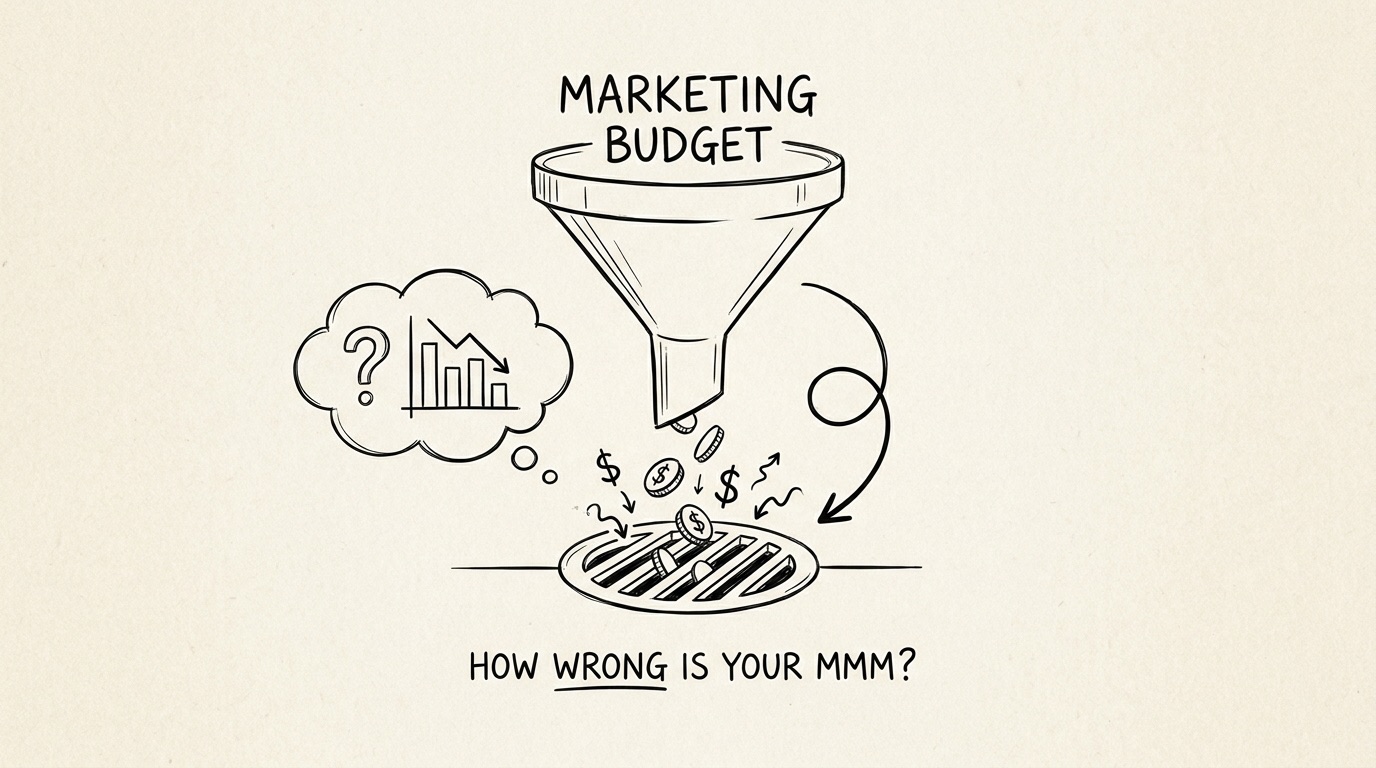
A shift in marketing spend timing can expose an MMM's blind spots, because the model only learns from data that never held the right answers. Testing when you spend, not just how much, reveals whether the model can finally tell the truth. It is a practical challenge to a tool many trust too easily. For deeper coverage on AI-driven analysis, see "Beyond the Search Box: Defining Real Research in AutoResearch."

Why Every Hallucination Detector Misses a Simple Number
A single number tripped up every major hallucination detector, and the reason is hiding in plain sight: ten is not a hundred. That gap between what a model claims and what a human knows is the story here, and it's a sharp reminder that these tools still see patterns, not meaning. We're impressed by the caution this work demands, and it pairs well with the skepticism in *Talking to My AI Clone Taught Me to Question the Tech*.
Why stakeholders expect zero errors from models designed to improve decisions
There's a moment every data scientist knows well: the model performs safely in validation, stakeholders sign off, and then one wrong call triggers a cross-examination. It's frustrating, but it's also revealing. The expectation of a 0% error rate isn't about math; it's about trust and how we frame machine learning's limits. We never promised perfection, yet we often present models as if they're infallible. That mismatch is worth examining.

Choosing the Right AI Model for Your Work in 2026
Choosing the right AI model in 2026 starts with asking what your data actually needs to do, not what sounds impressive. The market is crowded with capable options, and the smartest move is to cut through the noise by focusing on your workflow's real demands. We're past the hype phase; this is about practical fit. For a deeper look at how models process information, our guide to paragraph structure in LLMs offers useful context.