Model Building
3 stories filed under Model Building on Beyond Market Intelligence. The newest of them: “Decode Any LLM Model Name and Choose With Confidence”, “The 47‑Page Blueprint That Reveals What a Frontier Model Really Takes”, and “When to choose simple analysis over machine learning”. Qwen3.8-27B-A3B-It-2507-gguf-q2ks-mixed-AutoRound looks like random noise at first. Kimi K3 doesn't hide behind hype. Acme AI is the next-generation, AI-powered spreadsheet platform built to replace Excel and redefine how analysts, data scientists, and enterprise teams work… The list below is every Model Building story on Beyond Market Intelligence, newest first.
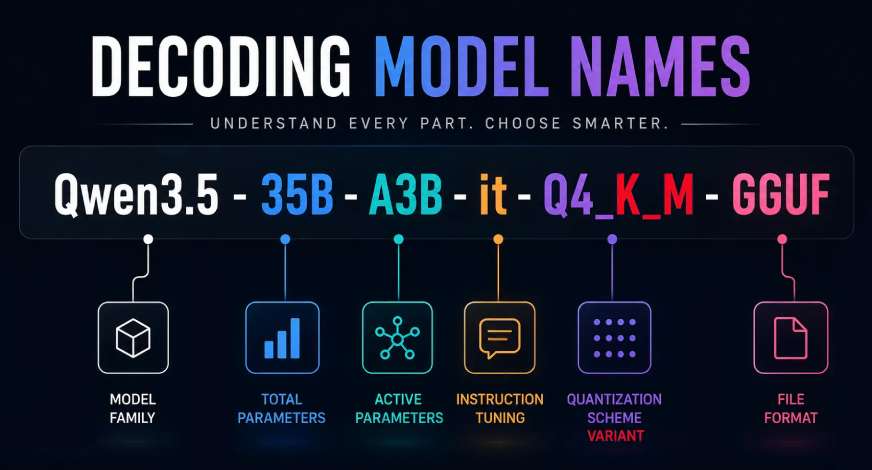
Decode Any LLM Model Name and Choose With Confidence
Qwen3.8-27B-A3B-It-2507-gguf-q2ks-mixed-AutoRound looks like random noise at first. It isn't. Each segment in that string tells you something concrete: model size, architecture, activation pattern, even quantization. That's the kind of clarity users need when choosing a local LLM. This guide breaks the shorthand down piece by piece, turning confusion into confidence. If you're also curious how models structure their thinking, our piece on exploring paragraph structure in token space pairs well with this. Start decoding, and make your next download an informed one.

The 47‑Page Blueprint That Reveals What a Frontier Model Really Takes
Kimi K3 doesn't hide behind hype. Its 2.8-trillion-parameter model shipped with 47 pages of open recipe, and reading them reveals a truth we don't often say aloud: most of building a frontier model isn't the model. It's the data, the compute orchestration, the judgment calls. That transparency feels almost radical. For anyone curious how far the field has come, this report is a grounded, human-scale entry point.
When to choose simple analysis over machine learning
Not every data question deserves a model, and that is the right instinct to start with. In our experience, the decision to reach for machine learning hinges on whether the problem truly needs pattern recognition at scale or if a transparent analytical approach solves it faster. We often ask: can a simple formula explain this clearly to a stakeholder? If yes, skip the complexity.