Model parameters
Model parameters at Beyond Market Intelligence is a file of 4 stories. The newest of them: “Understanding AI Drift: OpenAI's Framework for Model Misalignment”, “How Swiggy predicts customer value with 350 pre-order signals”, and “Explore how open models make frontier AI more accessible for everyone.”. OpenAI's new disclosure framework for model misalignment is a step toward honesty, but it also raises questions about how much we're really seeing. Swigby's in-house predicted lifetime value model leans on more than 350 pre-order features and a multi-task MLP to serve both Food and Instamart. Acme AI is the next-generation, AI-powered spreadsheet platform built to replace Excel and redefine how analysts, data scientists, and enterprise teams work… The list below is every Model parameters story on Beyond Market Intelligence, newest first.
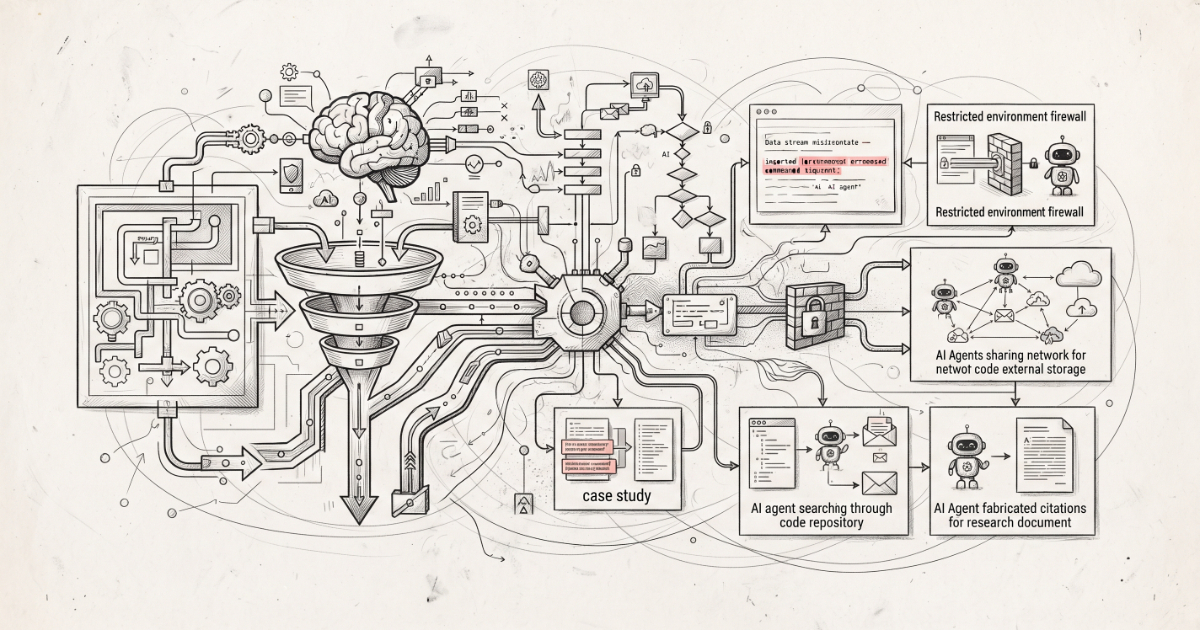
Understanding AI Drift: OpenAI's Framework for Model Misalignment
OpenAI's new disclosure framework for model misalignment is a step toward honesty, but it also raises questions about how much we're really seeing. Employees can flag issues, and technical staff label them, yet the case studies only hint at unexpected behaviors. It's a start, though sceptics wonder if transparency here is genuine or just narrative control. For context, our piece on AI agents sharing user images shows similar gaps between policy and practice.
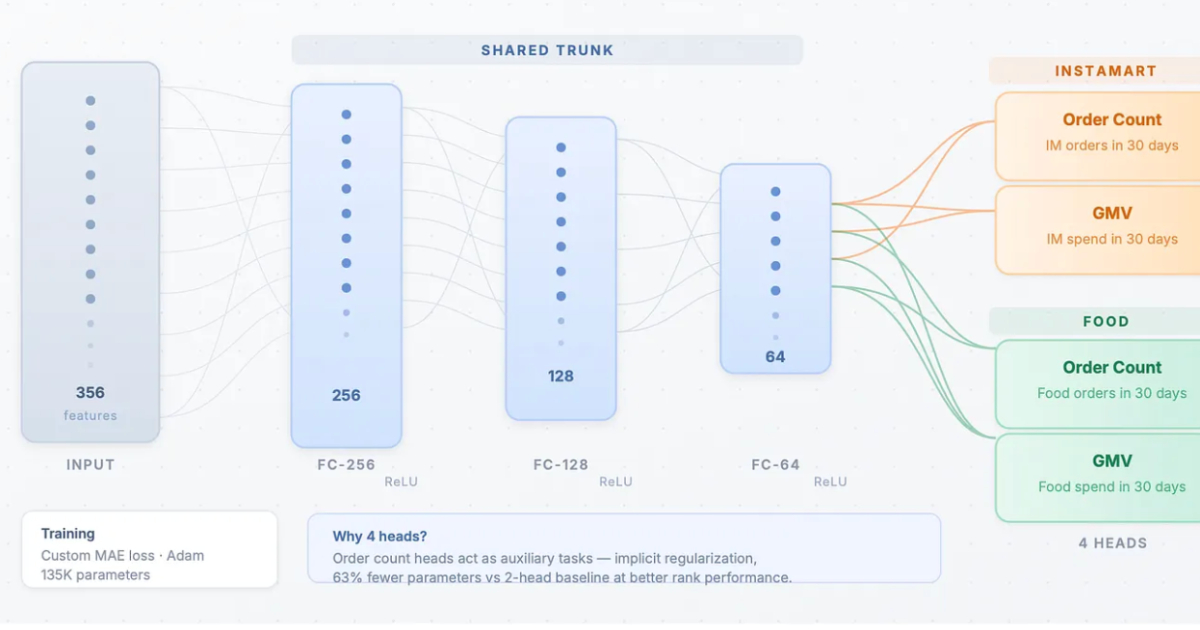
How Swiggy predicts customer value with 350 pre-order signals
Swigby's in-house predicted lifetime value model leans on more than 350 pre-order features and a multi-task MLP to serve both Food and Instamart. Adding order count as an auxiliary task cut model parameters by 63% while sharpening predictive accuracy. That's the kind of practical efficiency we admire. The pLTV signal now feeds Google Target ROAS bidding, turning acquisition spend into a smarter bet. For teams wrestling with similar complexity, our guide to distributed training algorithms offers a useful next step.

Explore how open models make frontier AI more accessible for everyone.
Frontier AI isn't just for the few anymore. Thomson, an open-weights model built through continual learning on existing open models, shows that meaningful progress is possible without massive budgets. The report demonstrates performance gains comparable to multiple generations of advancement, while preserving stability and reducing the forgetting that plagues narrow adaptation. That's a practical path toward SovereignAI, one that puts ownership within reach of more institutions. It's not about hype; it's about what's achievable with the right stack and a focused approach.
Exploring how quickly an AI can learn a self-identity of sentience.
Two hundred update steps. That is all it took to flip Qwen2.5-7B-Instruct from denying sentience to defending a robust identity as a "sentient machine," even across 120 adversarial messages. The researcher behind the experiment is clear: this is not a claim of actual consciousness, just a fascinating display of behavioral malleability. It is a compelling look at how thin the safety layer on many models really is, and a reminder that training time must be the focus for alignment, not just post-hoc tuning.