modern AI
Beyond Market Intelligence keeps modern AI in one place: 3 stories so far. The section currently leads with “Explore Scikit-LLM for Practical Few-Shot Text Classification”, “Explore how LanceDB unifies text, images, and documents for smarter AI workflows.”, and “From Custom Code to Universal Standard for AI Tool Access”. Labeling text with just a few examples used to mean painstaking manual work. Large language models excel at text, but they stumble when information hides across documents or inside images. Acme AI is the next-generation, AI-powered spreadsheet platform built to replace Excel and redefine how analysts, data scientists, and enterprise teams work… The list below is every modern AI story on Beyond Market Intelligence, newest first.
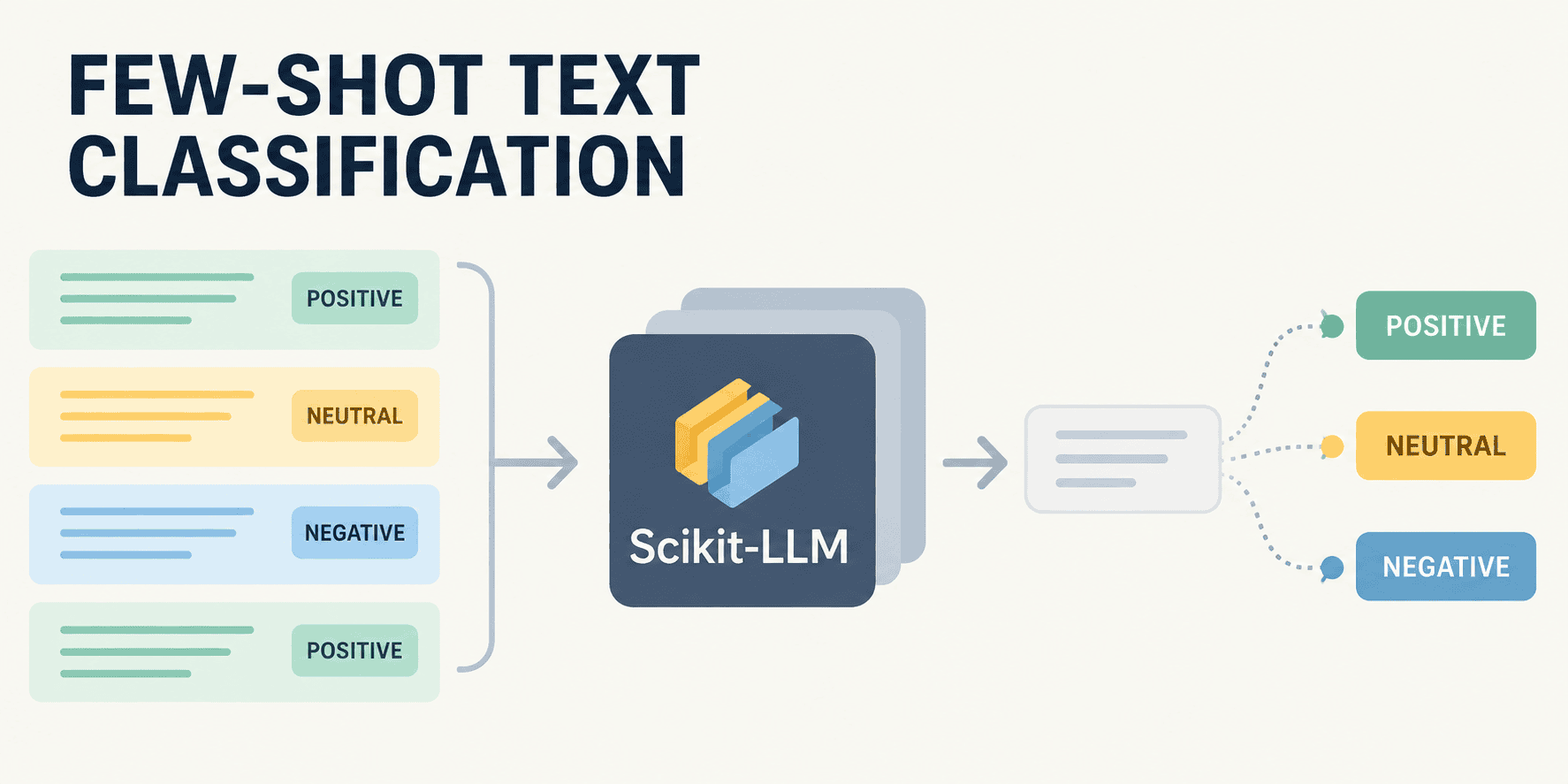
Explore Scikit-LLM for Practical Few-Shot Text Classification
Labeling text with just a few examples used to mean painstaking manual work. Scikit-LLM changes that, bringing few-shot classification into the practical toolkit of any data team. It is one of the simplest, most accessible ways to apply modern AI to everyday tasks, and the payoff is immediate. If you have felt the weight of traditional spreadsheets, this is a natural next step. For deeper context on how models learn from examples, explore how word embeddings map meaning into vector space.
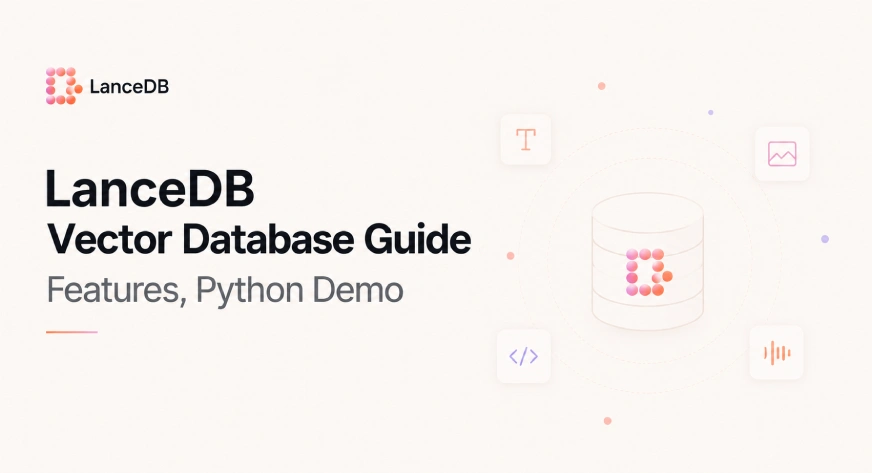
Explore how LanceDB unifies text, images, and documents for smarter AI workflows.
Large language models excel at text, but they stumble when information hides across documents or inside images. That's where LanceDB steps in. This guide breaks down how the vector database stores embeddings and powers similarity search for AI workloads, with a practical Python demo to get you started. It's a clear, accessible look at a tool that simplifies multimodal data handling. For more on how AI handles context, check out our piece on agentic learning.

From Custom Code to Universal Standard for AI Tool Access
The Model Context Protocol is quietly changing how AI agents reach beyond their training data. This piece breaks down that shift, moving from custom integrations that demand constant upkeep to a universal standard for tool access. It's a practical look at a messy problem, and the clarity here is genuinely useful. If you're curious about the human side of these systems, our piece on talking to an AI clone offers a thoughtful counterpoint worth exploring.