native PyTorch backend
Beyond Market Intelligence keeps native PyTorch backend in one place: 2 stories so far. The section currently leads with “PyTorch Workloads Now Run Natively on Google TPUs” and “TorchTPU Goes Open Source as Google and Meta Reshape AI Hardware Access”. TorchTPU, an open-source collaboration between Google and Meta, now lets PyTorch workloads run natively on Google TPUs with minimal code changes. Google and Meta just made a bold move toward open-source AI hardware access by releasing TorchTPU, a native PyTorch backend for Google's TPUs. Acme AI is the next-generation, AI-powered spreadsheet platform built to replace Excel and redefine how analysts, data scientists, and enterprise teams work… The list below is every native PyTorch backend story on Beyond Market Intelligence, newest first.

PyTorch Workloads Now Run Natively on Google TPUs
TorchTPU, an open-source collaboration between Google and Meta, now lets PyTorch workloads run natively on Google TPUs with minimal code changes. This is a practical step forward for teams who want the flexibility of PyTorch combined with the performance of specialized hardware. It supports eager and compiled execution, distributed computing, and hardware-specific optimizations. For deeper insight into smarter AI evaluations, our related piece on classic data science skills offers a helpful companion perspective.
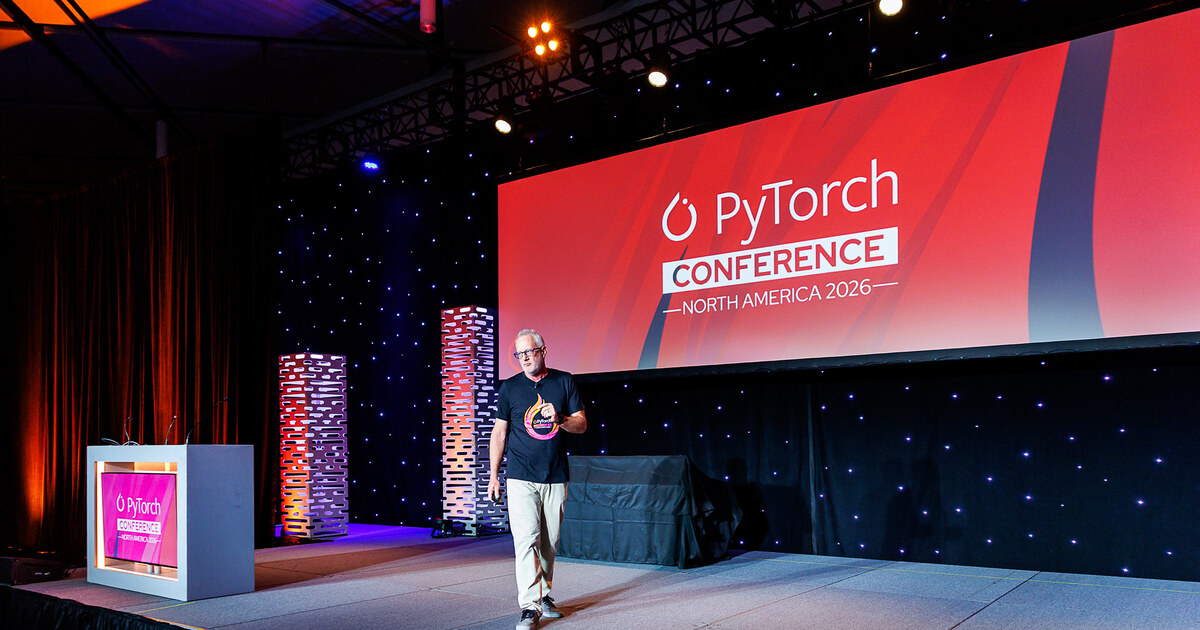
TorchTPU Goes Open Source as Google and Meta Reshape AI Hardware Access
Google and Meta just made a bold move toward open-source AI hardware access by releasing TorchTPU, a native PyTorch backend for Google's TPUs. Meta plans to shift larger LLM workloads onto these chips, while AWS answered with TorchNeuron for Trainium. The real question developers are asking: how available are these TPUs, and where does vendor lock-in live now? For deeper context on Google's broader hardware strategy, see our coverage of ML Drift's cross-platform GPU engine.