Observational Data
3 stories filed under Observational Data on Beyond Market Intelligence. The newest of them: “See Through the Hype of Your AI Feature's Adoption Numbers”, “Discover how causal attribution solves delayed penalty problems in constrained RL.”, and “Explore how Netflix's open-source agent simplifies causal analysis workflows.”. When a team opts into an AI feature, the lift you measure isn't just the tool's effect. Standard constrained RL assumes consequences are immediate and attributable to the current action. Acme AI is the next-generation, AI-powered spreadsheet platform built to replace Excel and redefine how analysts, data scientists, and enterprise teams work… The list below is every Observational Data story on Beyond Market Intelligence, newest first.
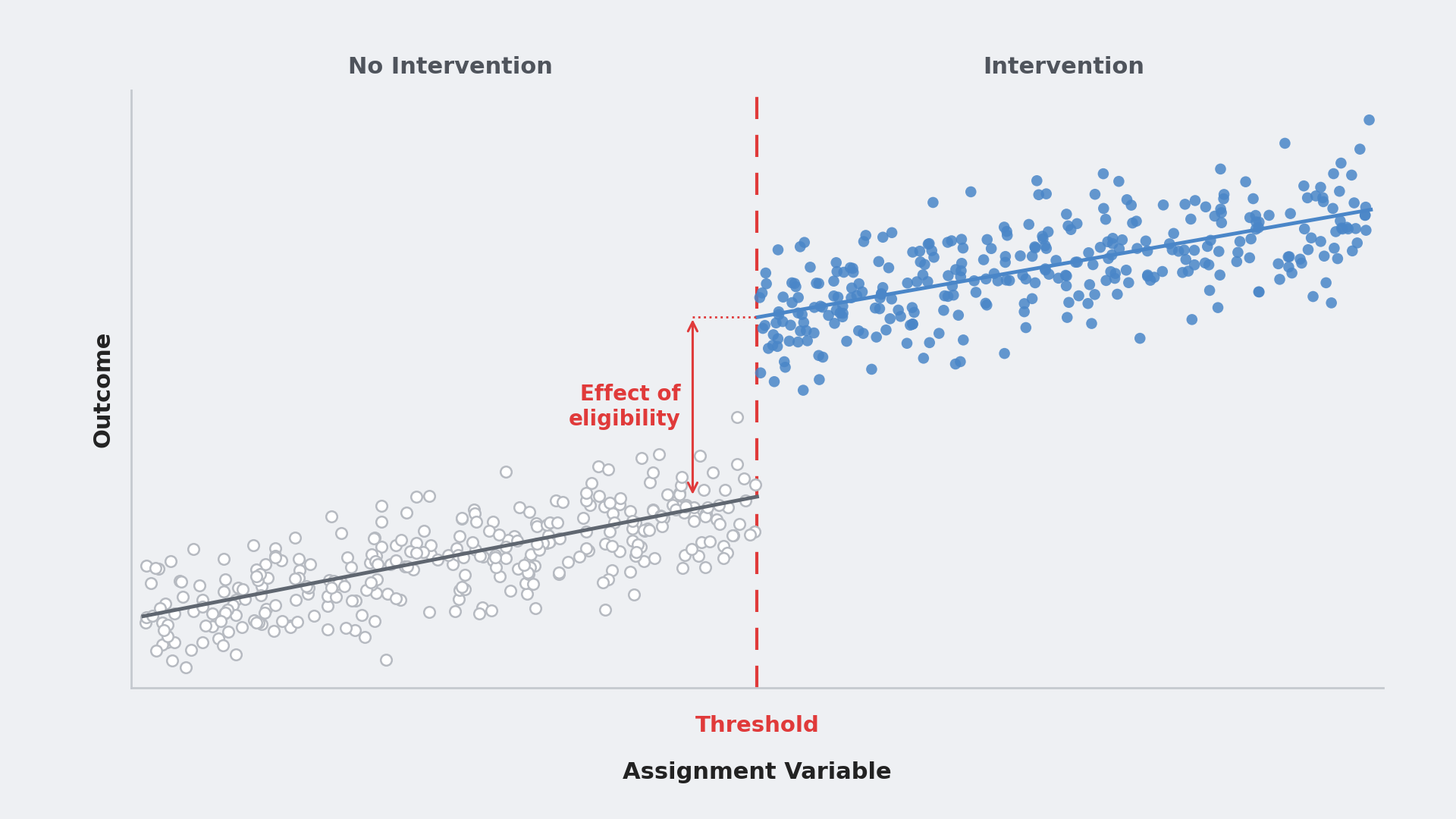
See Through the Hype of Your AI Feature's Adoption Numbers
When a team opts into an AI feature, the lift you measure isn't just the tool's effect. It's a selection effect, a reflection of who chose to engage. This guide offers a practical framework for estimating what that opt-in feature actually did, even without randomization. It's a sharp, honest look at a messy problem. For practitioners ready to dig deeper into the mechanics of modern AI systems, our guide to distributed algorithms pairs well with this mindset.
Discover how causal attribution solves delayed penalty problems in constrained RL.
Standard constrained RL assumes consequences are immediate and attributable to the current action. That assumption frays the moment violations arrive late and stochastically, leaving you penalizing whatever action happened to precede the observed harm rather than the one that caused it. CCPL tackles this head-on with a delay-corrected Bellman operator and an Interventional Consequence Net for causal attribution. The contraction proof holding under unknown stochastic delay is solid. The real constraint is the ICN's dependence on structural-causal-model labels, a practical limit worth acknowledging.

Explore how Netflix's open-source agent simplifies causal analysis workflows.
Netflix has open-sourced an agentic workflow for Observational Causal Inference that cuts through the usual grind of causal analysis. Given your data and a clear plan, the agent runs an actor-critic loop to estimate causality, draft a report, and point to next steps. It's a practical move toward making complex inference less manual. If you're exploring how agents handle structured tasks, our guide to distributed algorithms offers a useful foundation. This is the kind of tool that turns ambition into action.