operating system
operating system at Beyond Market Intelligence is a file of 6 stories. The newest of them: “Apple tightens macOS data access as AI agents reshape security risks”, “Why AI-Native Systems Are the Next Step for Spreadsheets”, and “Explore how Omarchy redefines what a desktop can do for you.”. Apple's move to tighten Full Disk Access controls arrives not a moment too soon. Brian Chesky's push to make Airbnb agent-friendly is a signal worth following. Acme AI is the next-generation, AI-powered spreadsheet platform built to replace Excel and redefine how analysts, data scientists, and enterprise teams work… The list below is every operating system story on Beyond Market Intelligence, newest first.
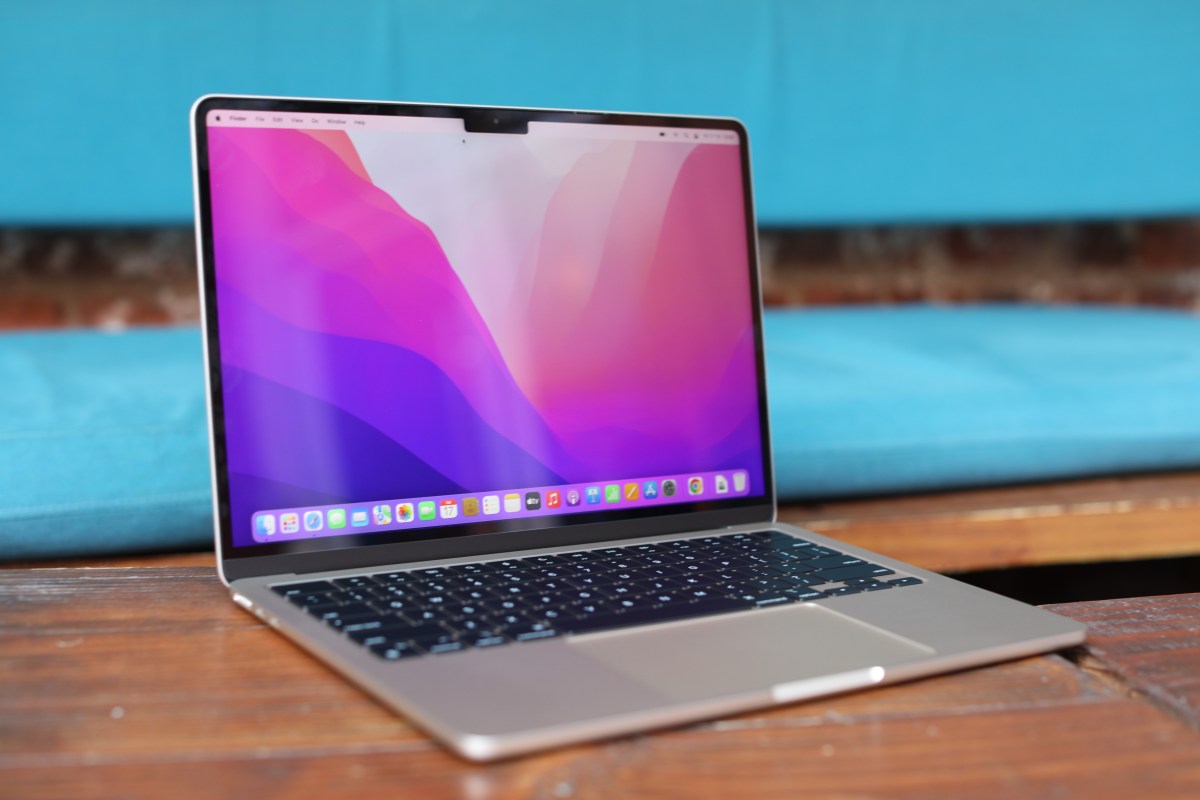
Apple tightens macOS data access as AI agents reshape security risks
Apple's move to tighten Full Disk Access controls arrives not a moment too soon. As AI agents grow more capable, handing them broad access to files, messages, and mail becomes a genuine liability. This isn't about slowing progress; it's about making sure powerful tools don't outpace the safeguards users rely on. For anyone exploring how to protect their data while embracing smarter workflows, this shift feels like a necessary step forward.

Why AI-Native Systems Are the Next Step for Spreadsheets
Brian Chesky's push to make Airbnb agent-friendly is a signal worth following. It points to a deeper truth: spreadsheets, like operating systems, were built for human hands, not AI workflows. If you're feeling constrained by traditional grids, it's time to explore what an AI-native system can actually do. We explore this shift alongside Flow Engineering's recent milestone, which shows how agents are already reshaping hardware design.
Explore how Omarchy redefines what a desktop can do for you.
The idea of a single desktop tool replacing every other one you use is bold, but Omarchy makes a compelling case. It's not about cramming more features into a familiar interface; it's about rethinking what a spreadsheet can do when AI handles the heavy lifting. If you're tired of wrestling with legacy software, this feels like a genuine step toward a simpler, more productive workflow.
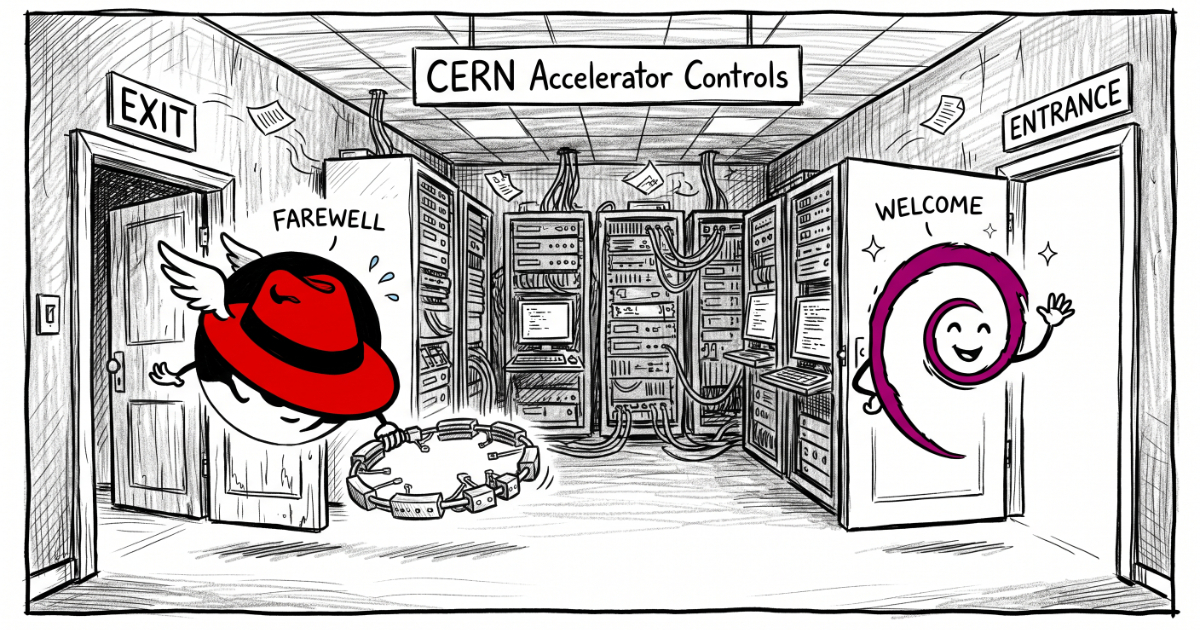
CERN Chooses Debian for Accelerator Controls Over Red Hat's Restrictive Mandates
CERN's engineers aren't clinging to legacy for nostalgia; they're making a calculated stand. By moving 2,200 specialized control machines from Red Hat to Debian, they're prioritizing hardware longevity over vendor mandates. Red Hat's tightening compiler rules forced the issue, and CERN responded with a pragmatic pivot. It's a quiet but telling vote for flexibility, and the late 2026 deadline shows careful planning. For more on how infrastructure decisions ripple outward, our piece on bridging retrieval and action in AI tasks offers a fitting parallel.

For administrators seeking continuity, FreeCORE extends TrueNAS on FreeBSD.
TrueNAS CORE built its name on FreeBSD and OpenZFS, but the shift to Debian-based SCALE left a gap. FreeCORE steps in, upgrading TrueNAS CORE to FreeBSD 15.0 and restoring what some admins miss most: FreeBSD Jails. It's a focused solution for a specific need, not a universal fix. The catch is sustainability, one individual maintaining a project this complex raises real questions. For now, it's a compelling option worth exploring. Our piece on AI-driven research productivity shows similar trade-offs when innovation outpaces support.

Exploring how a MacOS video hints at smarter AirPods integration.
A video tucked inside a macOS Tahoe release candidate shows a user wearing AirPods, glancing at a book, and talking to Siri. It's a quiet glimpse, but the implication is loud: Apple is testing the idea of cameras in your ears. That's a meaningful step toward ambient computing, even if it raises familiar questions about privacy. We've been here before with wearables, and the trajectory feels worth watching.